The Ultimate Gravel Guide: The Right Bike, the Right Gear & More
BIKE Magazin
· 28.08.2026


Race or endurance? Which gravel bike is right for you?
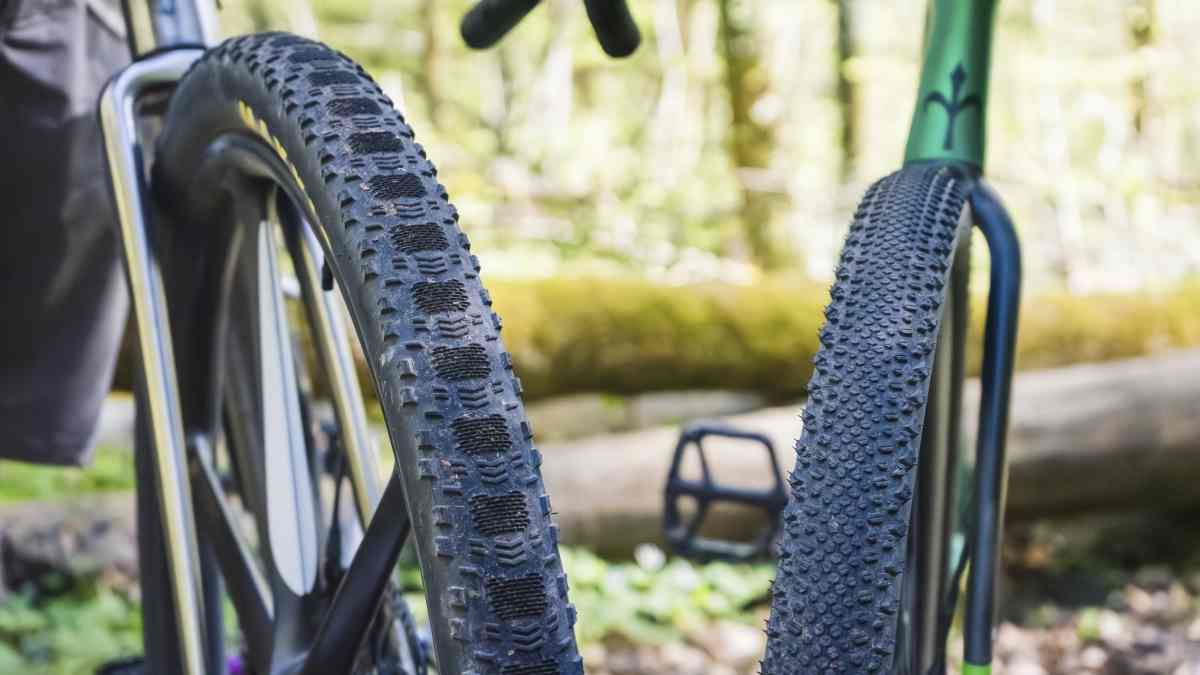
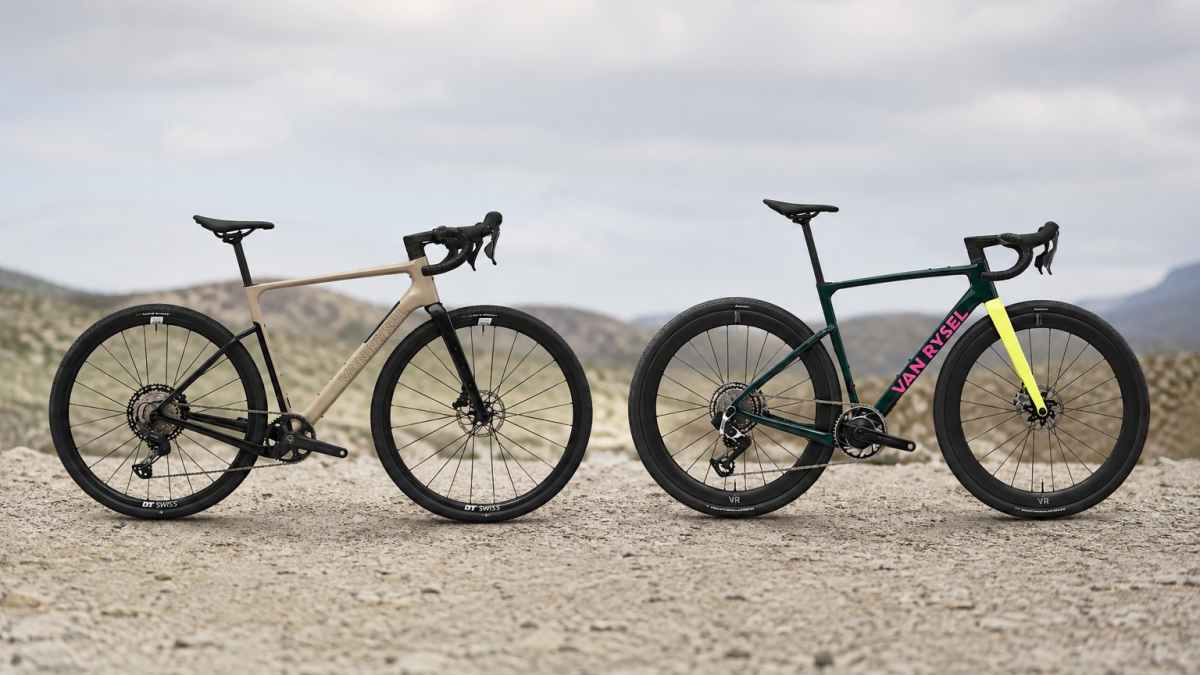
Race gravel or endurance gravel – this decision has a greater impact on the riding experience and the bike’s intended use than many individual components. Here is a comparison between the two categories: with its low weight and aerodynamic design, the Van Rysel RCR-G is aimed at riders who want to ride at pace, complete training laps and take part in fast races. The EDR-G, on the other hand, prioritises comfort, plenty of mounting points and practical solutions for long days in the saddle or bikepacking tours. Both models accommodate tyres up to 50 millimetres wide, but follow distinctly different design philosophies. The comparison shows which features are best suited to your personal gravel adventure.
Gravel bikes: 7 questions you should ask yourself before buying one!
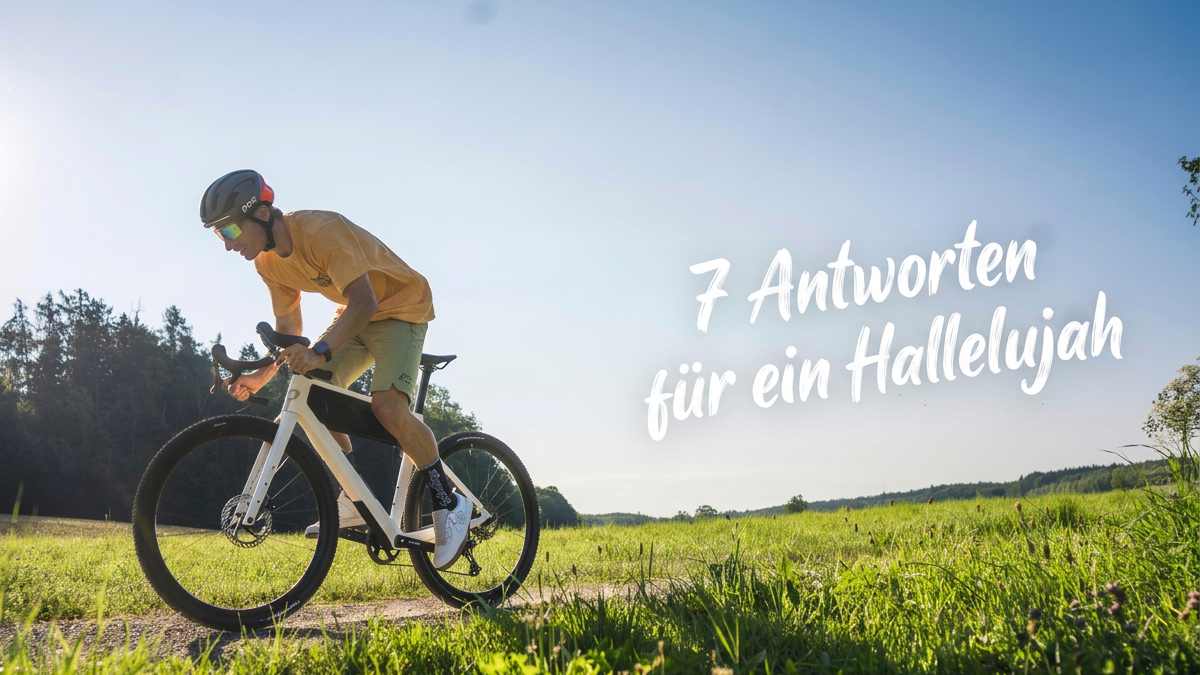
The right gravel bike isn’t about the brand – it’s about what you’ll be using it for. Do you mainly want to ride fast along forest tracks, go on tours with luggage, or tackle more challenging trails? Your budget, weight, tyre width, handlebars and stem, and the choice between specialist retailers and direct-to-consumer suppliers also play an important role in your selection. This guide It gets straight to the heart of the key questions and helps you set your priorities. That way, you can find out which gravel bike really suits your routes, goals and riding style.

The right kit for your gravel bike
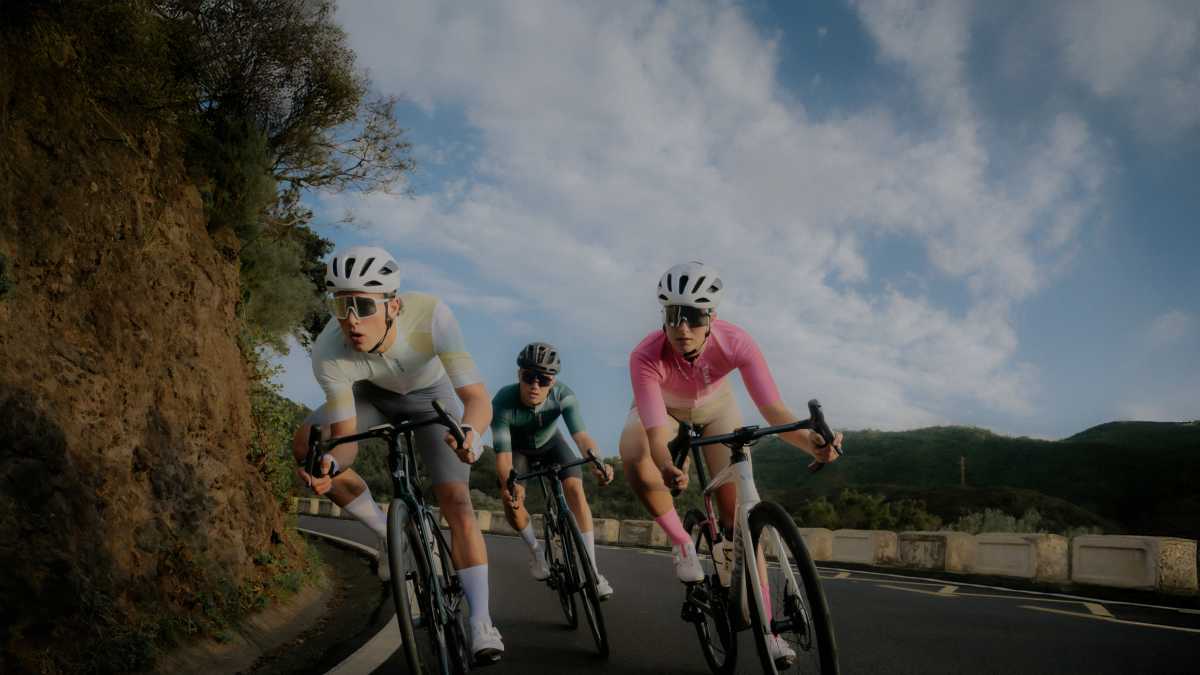
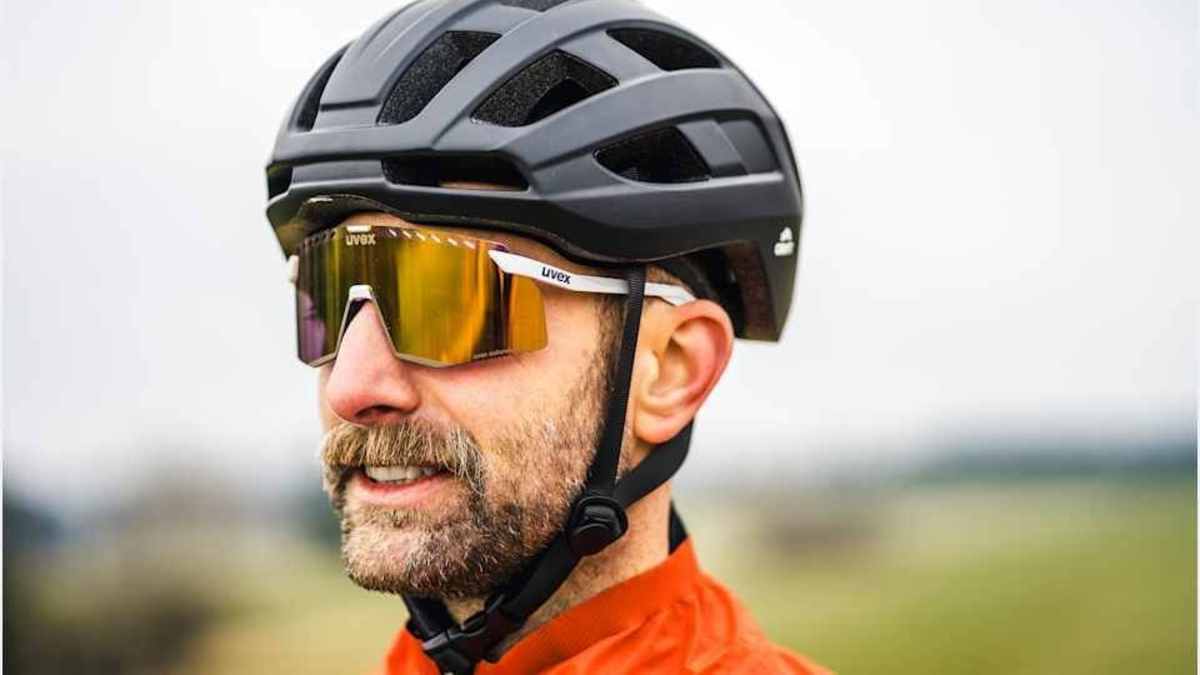
It’s not just the bike that determines how relaxed and safe you feel when riding on gravel. The right gravel kit must allow for freedom of movement, remain comfortable over long distances and provide storage space for snacks, tools or your mobile phone. The new Gravel Retreat collection from Van Rysel The range includes helmets featuring MIPS technology, jerseys, bib shorts and cycling glasses. The brand offers two distinct lines: a comfort-focused range for long distances and a performance collection with a more sporty cut. An overview shows which details in gravel clothing and accessories are relevant to your ride.
Buying a new gravel bike: My criteria for the perfect bike
A dream gravel bike doesn’t have to excel in every discipline, but it should suit your body, riding style and plans. This list of personal criteria shows why bike fitting and geometry are often more important than the trendiest frame design. Tyre clearance, gear ratios, mounting points, cable routing and frame material are also assessed based on real-world experience. Comfort, control and sensible spec are particularly important for long tours, bikepacking and varied terrain. This article provides practical guidance for anyone who wants to choose a new gravel bike that isn’t just attractive, but also a really good fit.

Race gravel bikes: lightning fast and incredibly light
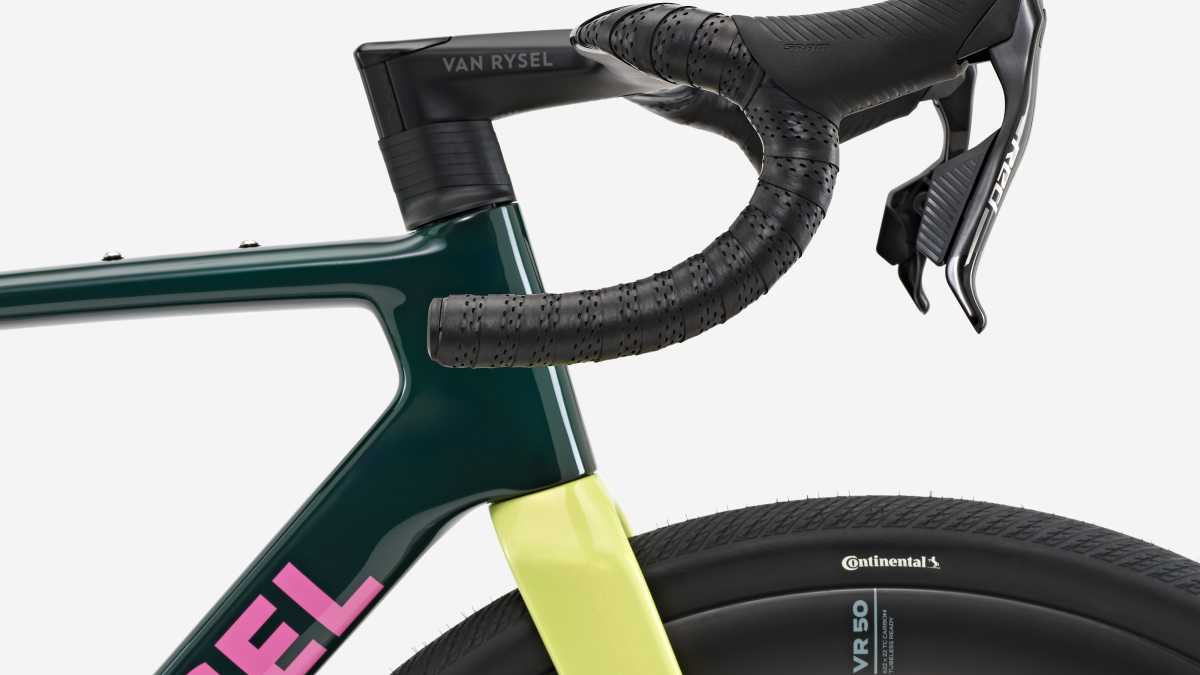
If you’re looking for something particularly fast, you’ll find what you’re after in race gravel bikes: The new Van Rysel RCR-G embodies the particularly sporty side of gravel cycling. Weighing from 7.7 kilograms, with an aerodynamic frame design and a clear focus on racing, it is designed to excel on fast gravel tracks and long stretches ridden at full throttle. The similarity to a road bike is intentional, as is the direct, precise handling. For bikepacking with lots of luggage or very rough rides, a more comfortable design usually makes more sense. However, if you’re looking for a fast race gravel bike for training and competition, you’ll find all the details here on the new model and the new gravel bike category.
Gravel bikes 2027: trends, technology and real benefits
The 2027 generation of gravel bikes brings not only new colours and designs, but also a number of technical developments with genuine practical benefits. Wider tyres, 13-speed drivetrains, the UDH hanger and integrated bag solutions make modern bikes more versatile and better suited to touring. Suspension forks are also becoming increasingly important for riders who regularly ride on rough gravel and simple trails. At the same time, it’s worth distinguishing between sensible upgrades and pure marketing. This overview explains which trends can actually improve your day-to-day driving experience.