A properly maintained and adjusted headset is the foundation for precise steering and a safe riding experience. From regular inspections and perfect lubrication to fine-tuning – every step contributes to an optimal riding experience. With the right care, your headset will serve you reliably for a long time to come. Take the time to have it professionally serviced – your bike and your safety will thank you for it.
1. Regular inspection and thorough cleaning
The key to a fault-free headset is regular inspection and cleaning. Ideally, you should carry out a quick check before every ride. Check that the handlebars turn smoothly, without any resistance or play. Listen out for any suspicious noises such as creaking or grinding. A thorough inspection is recommended at least once a season: to do this, remove the stem and fork and clean all components carefully. Remove old grease and dirt with a lint-free cloth. Any rust on the outside of the bearing cups can be removed with sandpaper if necessary. Pay particular attention to the bearing seats and check them for wear or damage. Regular maintenance significantly extends the service life of the headset and prevents costly damage.
2. Optimal lubrication for smooth steering
Proper lubrication is crucial for the function and longevity of the headset. Use high-quality, water-resistant bearing grease. Apply a thin, even layer to all moving parts – particularly the bearings, bearing seats and the fork taper. You should clean open bearings with alcohol beforehand to wash out all the dirt before applying a fresh layer of grease. Take care not to use too much grease, as this can cause dirt to accumulate. For industrial bearings with seals, a sparing application of grease to the outer surfaces is usually sufficient. Optimal lubrication reduces friction and wear and ensures smooth steering. At the same time, it protects against the ingress of moisture and dirt.

3. Precise adjustment of the headset tension
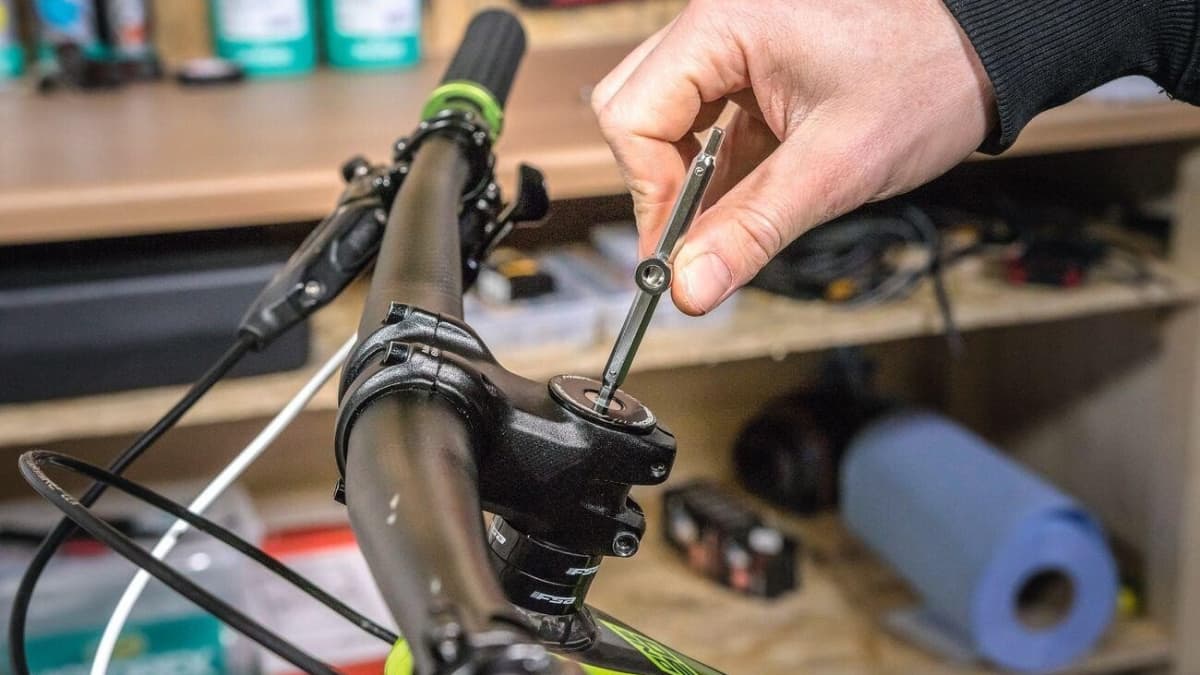
Setting the preload correctly is the key to a play-free and smooth-running headset. Start by loosening the stem’s clamping bolts. Then carefully tighten the Ahead cap’s adjustment screw until you can no longer feel any play. The handlebars should still turn easily. Now pull the front brake with one hand, grip the bearing cups with the other hand and gently move the bike forwards and backwards. This will allow you to feel whether there is still any play. Once you’ve found the optimal setting, retighten the stem’s clamping bolts to the correct torque (indicated on the stem). Then check again that the movement is smooth. Too much tension leads to increased wear, whilst too much play can also cause damage.
4. Timely replacement of worn bearings
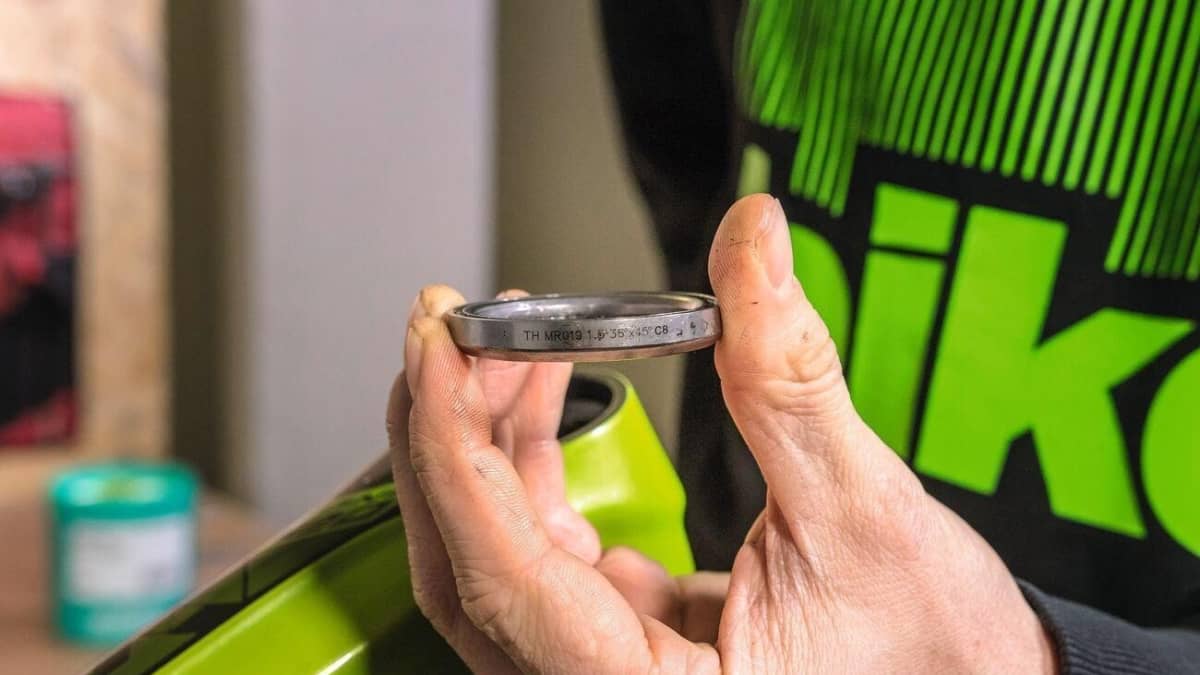
Even high-quality bearings wear out over time. Typical signs of worn bearings include play in the headset, a rough running noise or noticeable notches when steering. During maintenance, check the bearings for smooth operation and visible damage. If the bearings no longer turn smoothly and without resistance, they need replacing. Modern headsets usually use low-maintenance industrial bearings. These can be replaced as a complete unit, which simplifies repairs. When buying replacement bearings, make sure you check the exact specifications. High-quality bearings, such as those with ceramic balls, may cost a little more, but they also have a significantly longer service life and offer better performance.
5. Correct alignment of the fork and stem
Precise alignment of all components is essential for optimum handling. When assembling the bike, ensure that the stem and front tyre are perfectly aligned. Even the slightest misalignment can have a negative effect on handling. To check this, look at the front tyre over the stem. You can also hold a straight rod across the fork legs and align the handlebars parallel to it. For maximum accuracy, we recommend using a laser alignment tool.
6. Adjustment using an angular control rate
Some high-quality headsets also allow you to adjust the steering angle by using special headset cups. This means you can tailor your bike’s geometry to some extent to suit your personal preferences.
7. Professional maintenance and fault diagnosis
Despite careful maintenance on your own, it is advisable to have your bike inspected by qualified staff at regular intervals. Professional mechanics have the specialist tools and experience needed to identify even hidden problems. For example, they can assess whether bearing seats in the frame need to be re-machined, or whether play in the headset is due to worn bearings or a worn steerer tube. Precision is also required when pressing in new bearing cups – this is where expert knowledge pays off. You should also have more complex work, such as face-milling the head tube or replacing seized bearing cups, carried out by professionals. Proper maintenance ensures that your The steering rack works perfectly at all times and you you you can rely completely on precise steering.