


No helmet, no protection: Headfirst wants to encourage more people to wear helmets
Stefan Frey
· 26.07.2026


For years, cycling has been booming as a means of transport in cities. At the same time, studies show that many cyclists still deliberately choose not to wear a helmet. A frequently cited reason is that many models are considered uncomfortable, clunky or simply don’t suit their personal style. The start-up Headfirst aims to change that with its new Echo Pro.
Conclusion from the editor’s perspective
Rather than cramming a helmet full of ever more features, Headfirst asks the fundamental question – why do so many cyclists not wear a helmet? – and sets out to tackle this issue head-on. Lack of comfort, fiddly handling or simply the look – the Echo Pro is designed to address all these issues better than many other helmets on the market.
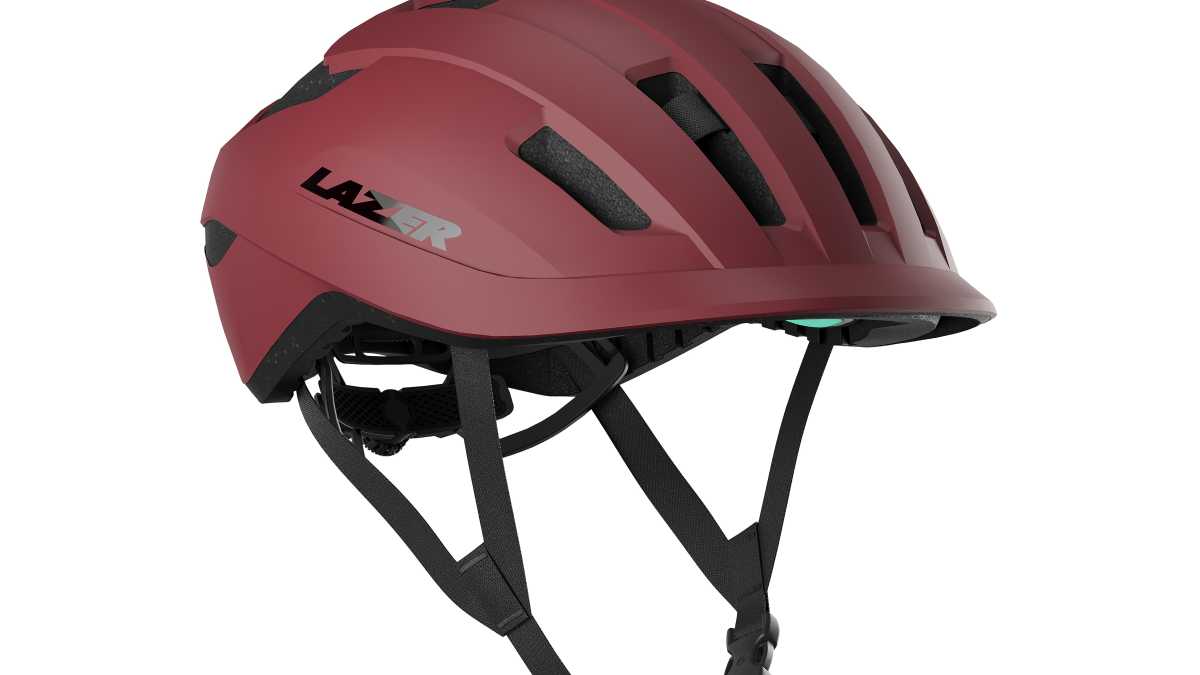
The automatic brake light, the straightforward fit system and the urban design are an important step in the right direction. However, the approach is not entirely new. Lazer had already devised a similar concept years ago with the AutoFit system. It also seems that the Echo Pro cannot be adjusted without using your hands at all. Furthermore, integrated rear lights and an urban design are no longer unique selling points for a cycle helmet these days. What’s more, at €169, the helmet is clearly positioned in the premium segment. Stefan Frey, BIKE editor
The helmet was developed in collaboration with the renowned APE Design Studio in Amsterdam. The aim was to create a helmet that looked less like traditional sports equipment and more like a modern mobility product. The result is an exceptionally clean, urban design that is aimed primarily at everyday cyclists and e-bike riders.
SafeFit: No dial, no readjustment
Whilst many city helmets rely on traditional adjustment systems with a dial, Headfirst takes a different approach. The Echo Pro features the patent-pending SafeFit system. This is designed to automatically adapt to different head shapes without the rider having to readjust it when putting it on. Headfirst does not provide precise details on how it works, but the adjustment is thought to be achieved by applying pressure to both sides of the helmet shell.
According to the manufacturer, this prevents the typical pressure points often associated with some adjustment systems. Commuters in particular, who put their helmets on and take them off several times a day, are likely to find this approach appealing.

With the sizes XS/S (51–56 cm) and M/L (55–61 cm) The Echo Pro covers a wide range of uses and, according to the manufacturer, is also suitable for children aged five and over.
Greater safety for everyday urban life
When it comes to protection, Headfirst opts for an integrated solution rather than additional retrofit systems. The rotational protection is already an integral part of the helmet’s design and is not fitted as a separate module. The Echo Pro complies with the standards EN 1078 and CPSC for cycling and urban helmets.
A particularly exciting feature for city driving is the integrated Brake light. A sensor detects when the bike is coming to a stop and automatically activates the rear light. This can improve visibility on the road, particularly in heavy city traffic. The battery is said to offer between eight and ten hours of runtime and is charged via USB-C.
Another practical feature: the magnetic, Fidlock-style buckle can be fastened with one hand and prevents the chin strap from catching on the skin.
More sustainable than traditional helmets
Whilst most cycling helmets use EPS foam, Headfirst uses expanded polypropylene (EPP). The material can absorb several light impacts without needing to be replaced straight away. This can extend the helmet’s lifespan, particularly in everyday use, when, for example, it is often dropped or receives minor knocks.
Recycled materials are also used in the straps and buckles. Wear parts are also designed to be replaceable. In the event of a serious accident, Headfirst offers a crash replacement programme with a 40 per cent discount on a new helmet.
Headfirst Echo Pro & Price
- An urban and e-bike helmet with a focus on design and everyday practicality
- SafeFit fit system without an adjustment dial
- Integrated protection against rotation and impact
- Certified to EN 1078 and CPSC
- Sensor-based brake and rear light with USB-C charging, 8–10 hours’ battery life
- Magnetic buckle
- EPP foam for greater durability
- Recycled materials used in the strap and buckle
- Sizes: XS/S (51–56 cm) and M/L (55–61 cm)
- Colours: black, beige, green
- Price: 169 euros
Conclusion from the editor’s perspective
Rather than cramming a helmet full of ever more features, Headfirst asks the fundamental question – why do so many cyclists not wear a helmet? – and sets out to tackle this issue head-on. Lack of comfort, fiddly handling or simply the look – the Echo Pro is designed to address all these issues better than many other helmets on the market.
The automatic brake light, the straightforward fit system and the urban design are an important step in the right direction. However, the approach is not entirely new. Lazer had already devised a similar concept years ago with the AutoFit system. It also seems that the Echo Pro cannot be adjusted without using your hands at all. Furthermore, integrated rear lights and an urban design are no longer unique selling points for a cycle helmet these days. What’s more, at €169, the helmet is clearly positioned in the premium segment.

Stefan Frey
Editor