


“Bigger, Better, Faster, More!” is the slogan on 4 Non Blondes’ debut album from 1992. And they were right. Shimano has recognised this too and is now launching brake discs with a whopping 2.2-millimetre diameter for maximum braking power in tough mountain biking conditions.
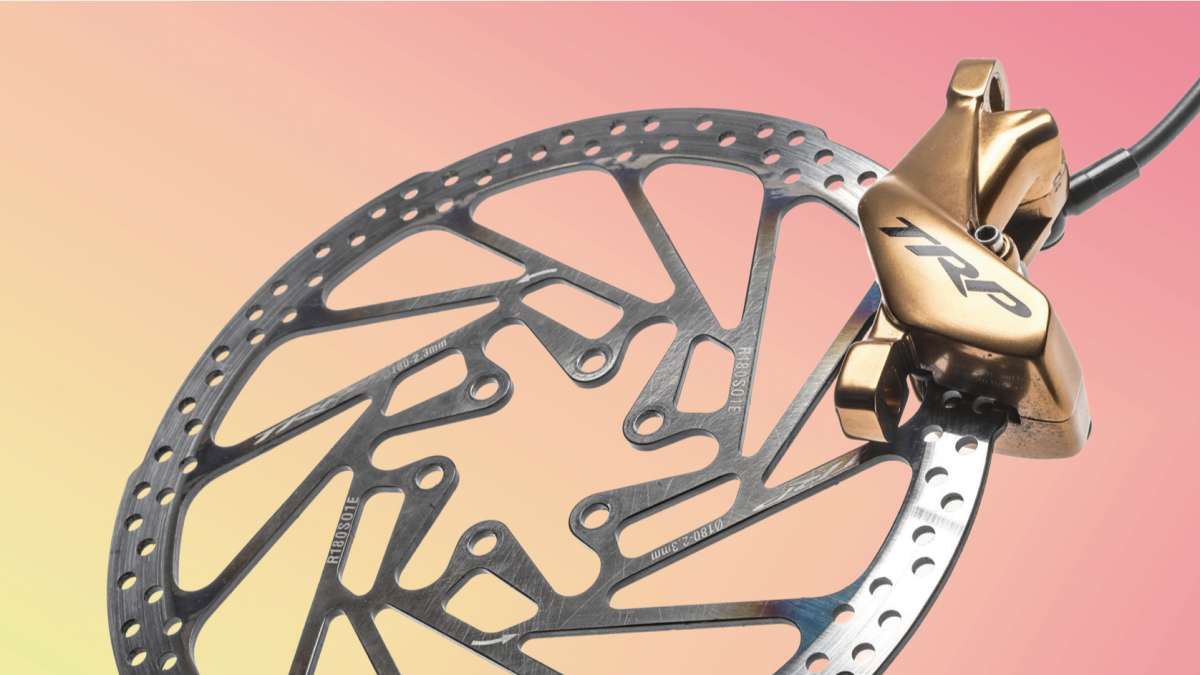
With its new brake discs, Shimano is charting a clear course: instead of the traditional 1.75-millimetre rotors, 2.2-millimetre-thick versions are now being used. The reason for this is that modern bikes are becoming faster, heavier and more powerful – particularly in the e-MTB sector, where the demands placed on the braking system are increasing significantly. The greater material thickness is intended to improve thermal stability whilst also increasing torsional rigidity.
Above all, this is intended to reduce fading on long descents and ensure a defined bite point even under the toughest conditions.
More consistent braking performance at the limit
A key advantage of the thicker rotors is their improved heat resistance. More material is better able to absorb and dissipate heat, which should ensure that braking performance remains consistent even on long, steep trails. The ventilation openings have also been redesigned to improve heat management. At the same time, the increased stiffness is intended to reduce unwanted vibrations, thereby ensuring smoother, more controllable braking performance.
The new discs are specifically designed to work with the latest Shimano braking systems. Important: Not all older brakes are automatically compatible with the thicker rotors. Shimano therefore clearly positions the 2.2 mm version for modern systems that are designed to accommodate the greater material thickness.
Clearly defined scope of application
The new rotors are primarily aimed at riders who regularly ride on challenging terrain. Long descents, high speeds and additional system weight – such as on e-MTBs – are among their preferred areas of use. For classic XC bikes or light trail riding, the thinner rotors remain a viable option.
Incidentally, Shimano is also changing the diameter of its 200 series rotors from 203 millimetres to a neat 200 millimetres. This will please many users, who can now do without additional spacers or adaptors. In doing so, Shimano is simplifying the setup and improving compatibility with various fork models on the market.
Key features at a glance
- New Shimano brake discs with a material thickness of 2.2 mm
- Significantly greater rigidity compared with 1.8-mm rotors
- Improved heat resistance and reduced fading
- A more stable contact point on long descents
- Reduced vibrations for improved dosing accuracy
- Intended use: Trail, Enduro, Gravity, E-MTB
- Price: depending on the model and size
Editor’s conclusion
Shimano consistently adapts its braking technology to keep pace with developments in modern mountain bikes. The 2.2 mm rotors are not just a cosmetic upgrade, but a functional response to the increased stresses encountered off-road. Riders who ride frequently and hard, or who carry extra weight, will benefit from greater reserves and consistent performance. For fans of lightweight builds, the classic setup remains the first choice – everyone else will find this a sensible upgrade for demanding conditions.


Stefan Frey
Editor
