


Checklist for the start of the bike season: Tyres and wheels on MTB, road & gravel bikes
Matthias Borchers
· 06.04.2026


Tyres
Was there perhaps some grit on the road last autumn? The sharp stones bore into the tread and work their way deeper and deeper into the rubber, turn by turn, until they penetrate the puncture protection layer - a typical reason for a slow puncture. The culprits can be removed with a small screwdriver or a slim plastic spatula.
Hose
Before pressurising the thin rubber again, a visual inspection is recommended. The vulcanised valve stem must be free of chafing and cracks. When the tube is inflated, the valve must protrude vertically from the rim hole and be able to move slightly to the left and right.
Sealing milk
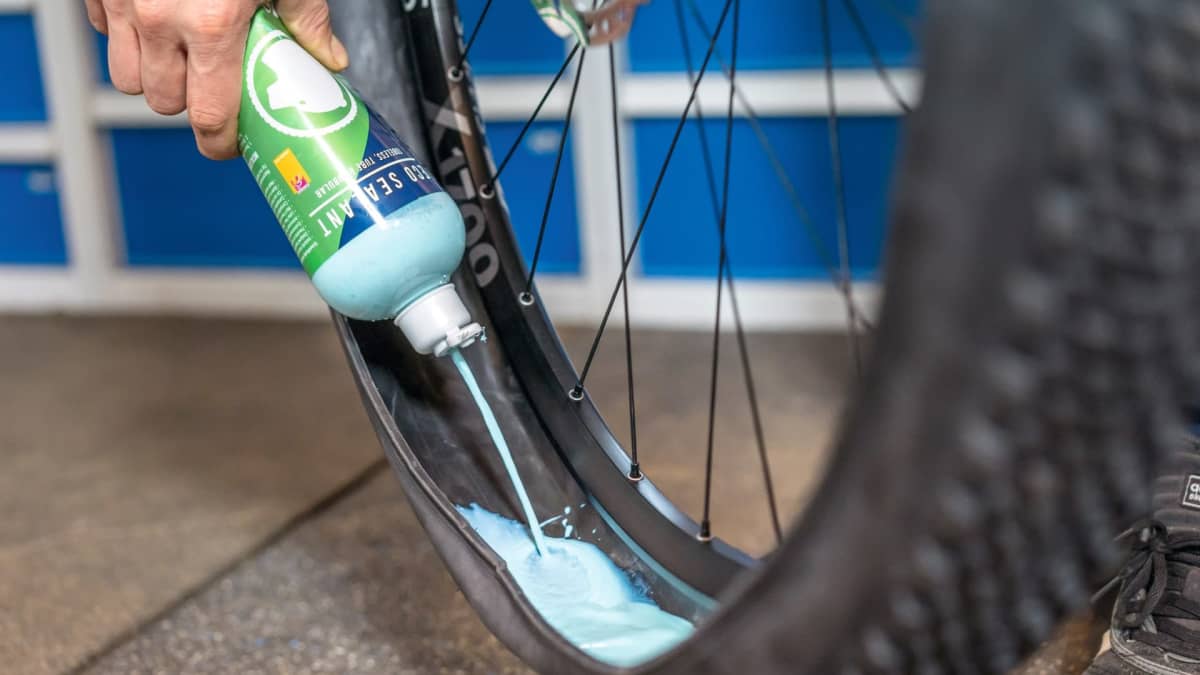
In Tubless tyres, sealing milk turns into thick milk after a long service life. It sticks tenaciously in the tyre and on the tread and loses its creeping properties. The caked-on stuff must be completely removed before fresh sealing milk is subsequently filled in. Note: Do not mix different brands.
Valve
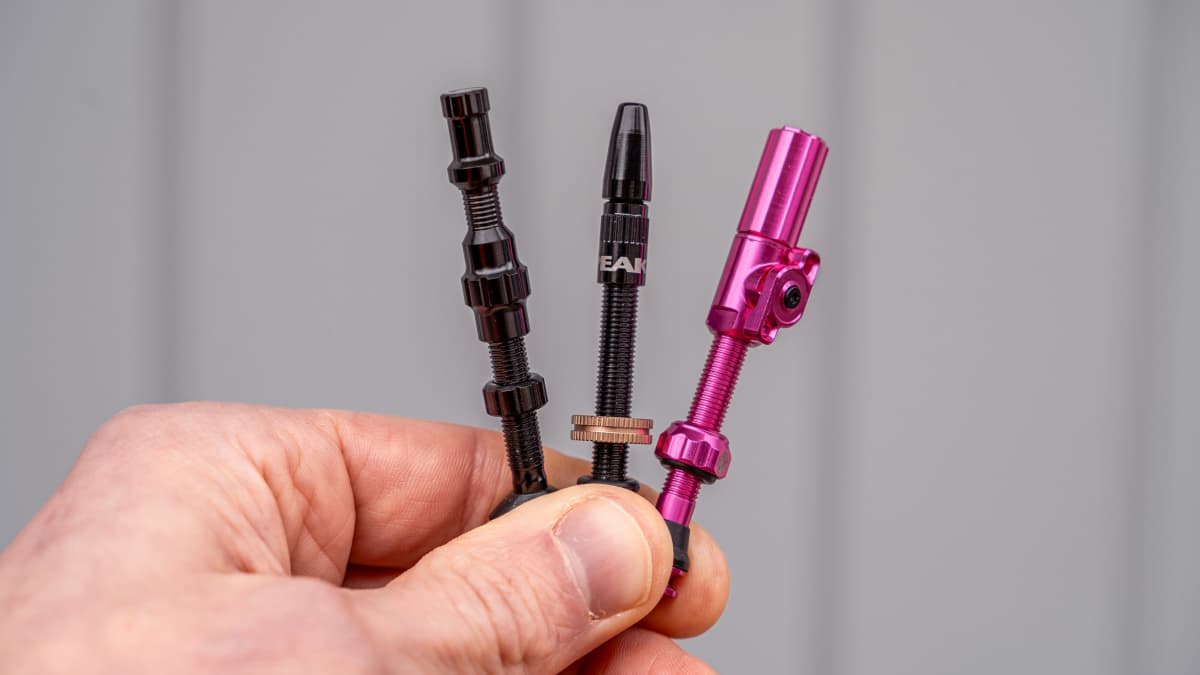
Residues of sealing milk can also stick to the valve, especially if it has been on the ground during the parking period. Unscrew the valve insert from the stem and remove any residue.
Bearing clearance
The bearing play in the wheels can be checked by pushing and pulling the wheel against the fork blades or rear stays. You should not be able to feel any tilting in the hub. Older conical bearings can be adjusted; the non-adjustable deep groove ball bearings of current wheels can be replaced by a specialist workshop.
Concentricity
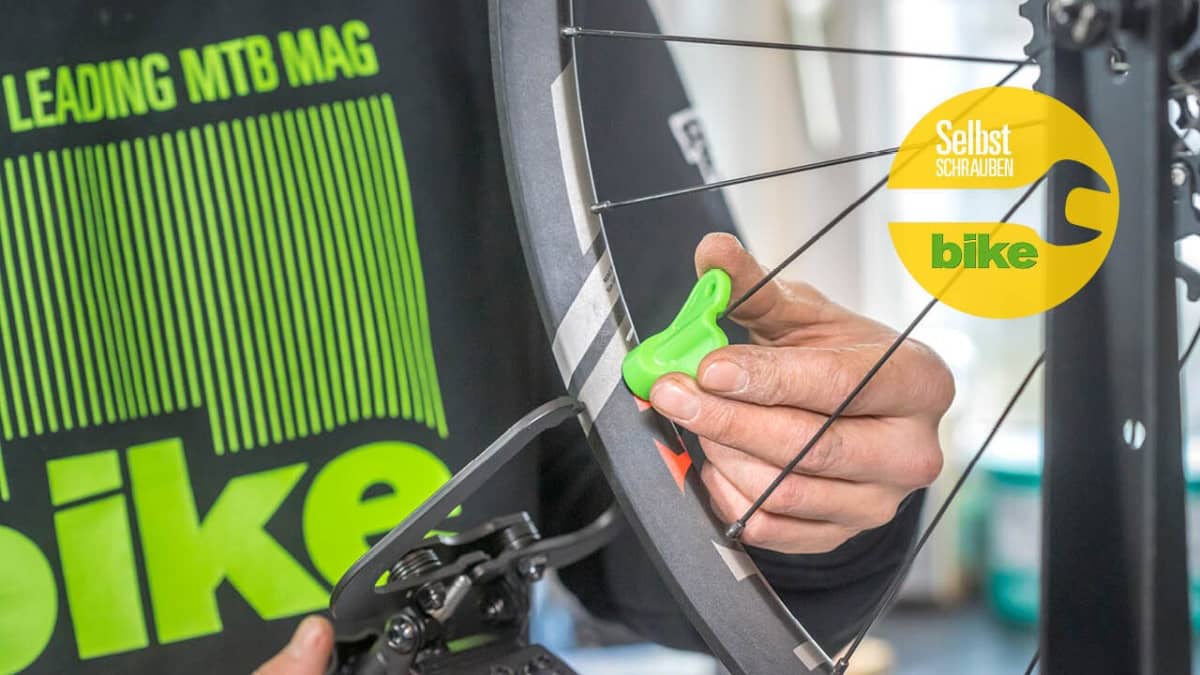
With a spacer (see picture in the gallery) you can check the concentricity of the rims with a steady hand and a sharp eye.
Spokes
Correct spoke tension determines the concentricity of the wheels. Radially tensioned wheels (left) can be checked using the sound test by striking them with a pin - all spokes should produce the same sound. Crossed spokes (right) are pressed off in pairs; they should yield evenly. Truing is a demanding task; if you are not experienced, it is better to leave this to a specialist workshop.
Tubeless or inner tube
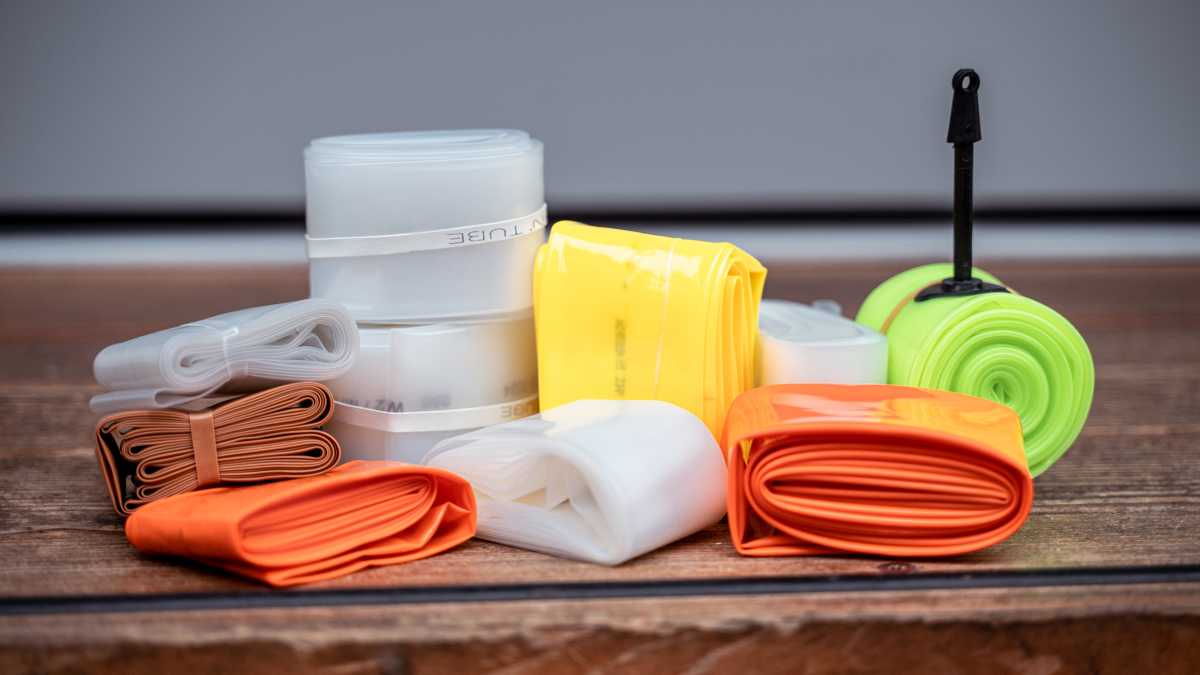
Tubeless has also established itself on road bikes and gravel bikes in particular, but many people still wonder whether it is worth making the switch. Without a tube, rolling resistance is noticeably reduced, comfort is increased and small punctures are often immediately sealed by the milk. At the same time, the system requires more care: fitting can be fiddly, the sealant has to be replaced regularly, without compressed air, fitting can become a war of nerves and not every rim harmonises perfectly with every tyre. Classic clinchers are unproblematic in the event of a puncture and can also be pressurised with a mini pump. Those looking for maximum performance will benefit from tubeless tyres; those who want it uncomplicated are still best served by the classic inner tube.

Matthias Borchers
Editor
