
Authors: Stephanie Morcinek and Tim Farin
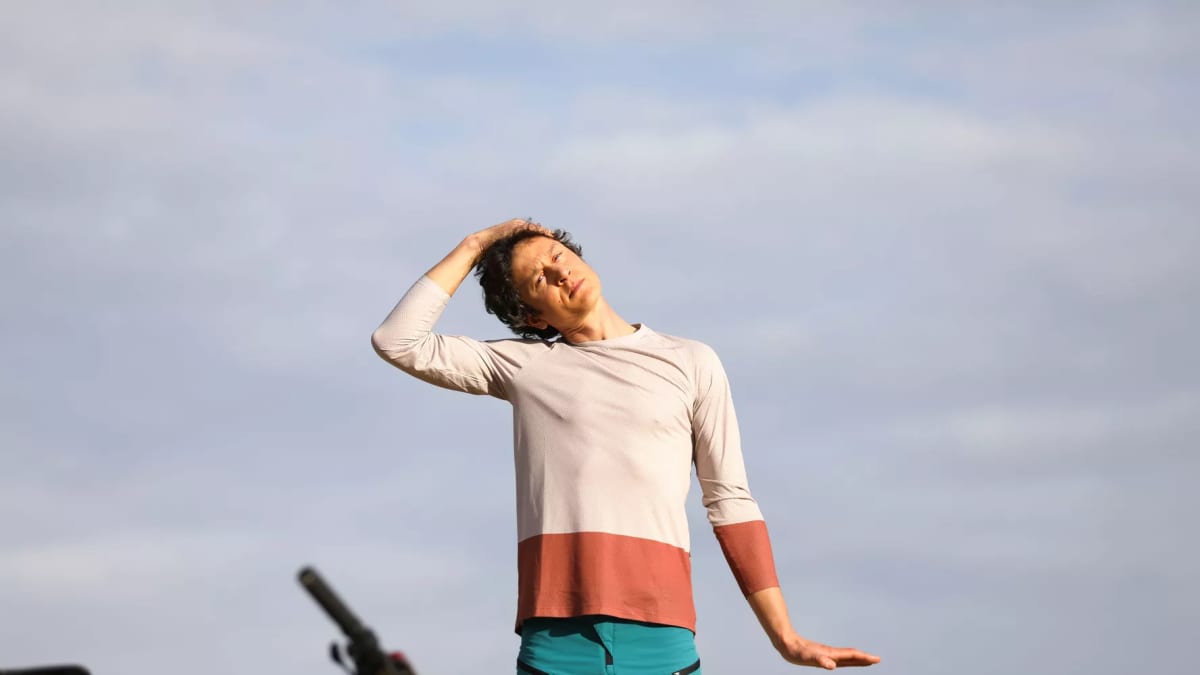
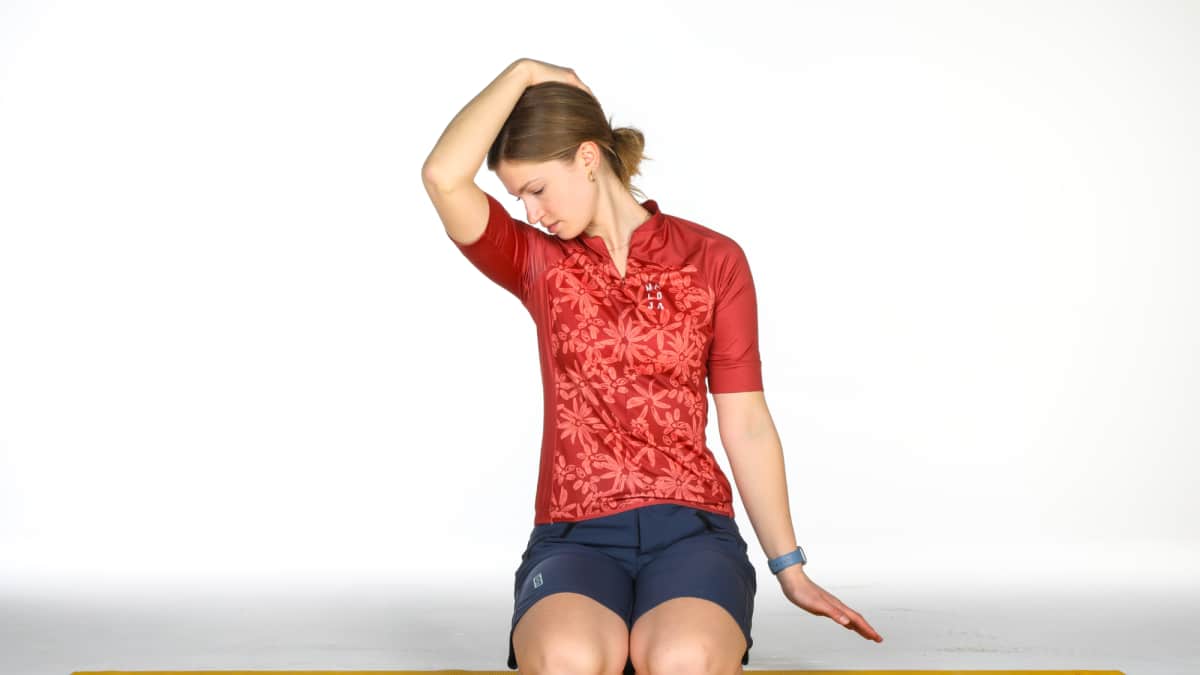
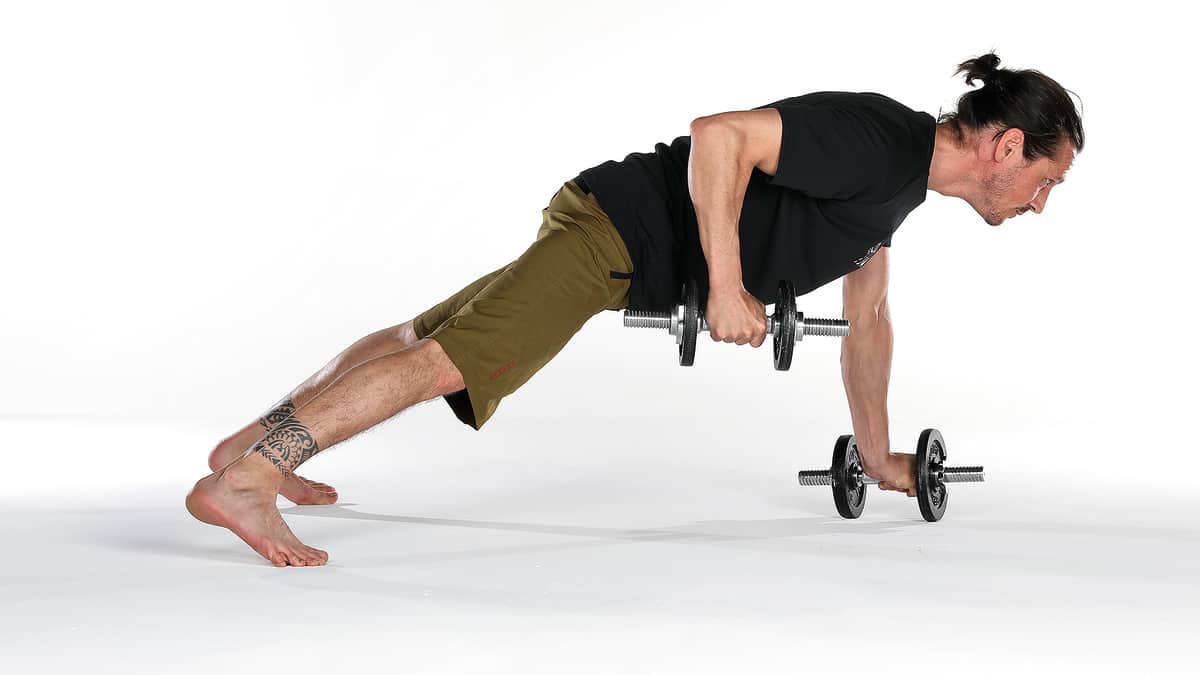
Long hours in the saddle, many hours at a desk or a tense posture on the handlebars: our backs take quite a beating in everyday life and whilst cycling. Back pain can be exacerbated by a lack of exercise, poor posture, incorrect strain or overexertion. Yoga can help you become more aware of your body, strengthen your muscles and improve your flexibility.
It’s not about acrobatic contortions. What matters is regular, gentle movements, conscious breathing and performing the poses without pain. For road cycling and gravel cycling enthusiasts, yoga is therefore a useful addition: ten minutes after a ride can be more beneficial than one long session once a week.
Five exercises for everyday life
1. Light squat: Stand upright, raise your arms as you breathe in, and squat slightly as you breathe out. Keep your shoulders relaxed. This mobilises your legs and back.
2. Seated forward bend: Sit on the edge of the chair and, as you breathe out, lean forwards slightly whilst keeping your back straight. Your stomach, bottom and thighs should stabilise your upper body.
3. Engage your lower back: Lie on your back, raise your feet and observe your breath. As you breathe out, gently draw your navel inwards. Keep your lower back active and neutral.
4. Cat-Cow: On all fours, round your back as you breathe out and return to the starting position as you breathe in. Avoid arching your back too much or overextending your neck. This exercise helps to mobilise the spine after a long journey.
5. The Mountain: Stand with your feet hip-width apart and your back straight. Lift your toes as you breathe in, and lower them as you breathe out. This helps you feel your connection with the floor, your posture and your body tension – the foundation for a well-rounded kick.
It’s better to practise for a short time every day than for a long time only occasionally. Pain during or after a workout is not a good sign. If you experience severe or persistent discomfort, have a slipped disc, or are unsure, you should seek medical advice beforehand. Beginners are best advised to learn the exercises under expert guidance. After that, the back routine is suitable for doing at home or straight after your after-work run.