


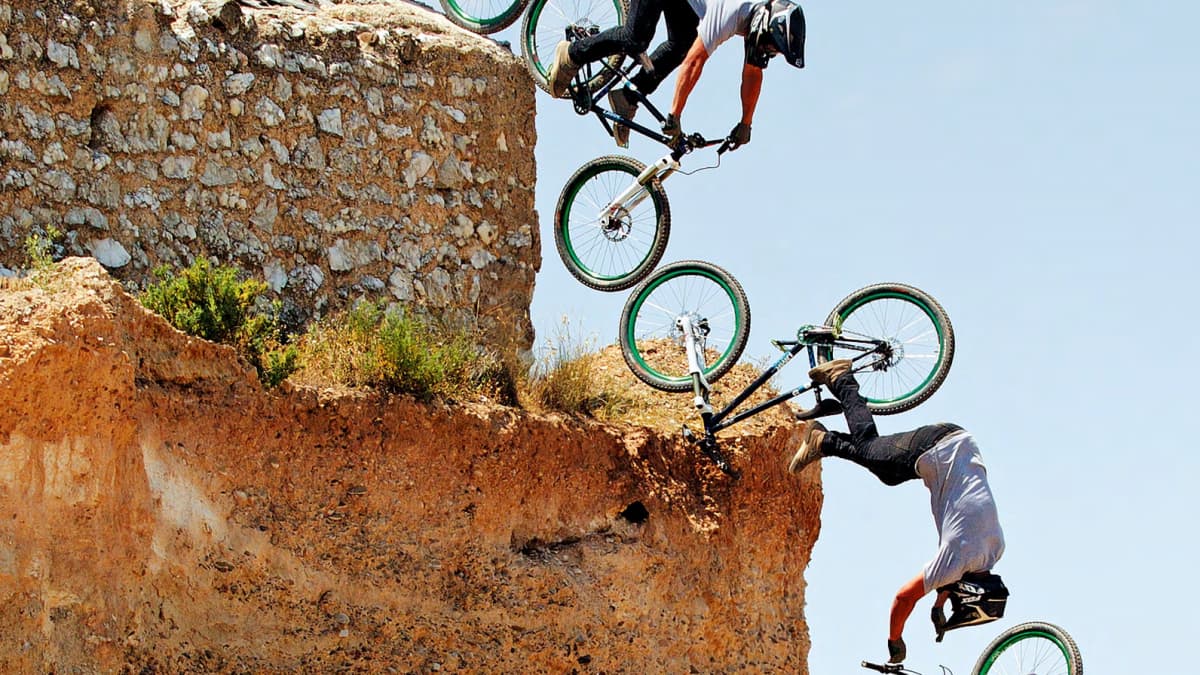
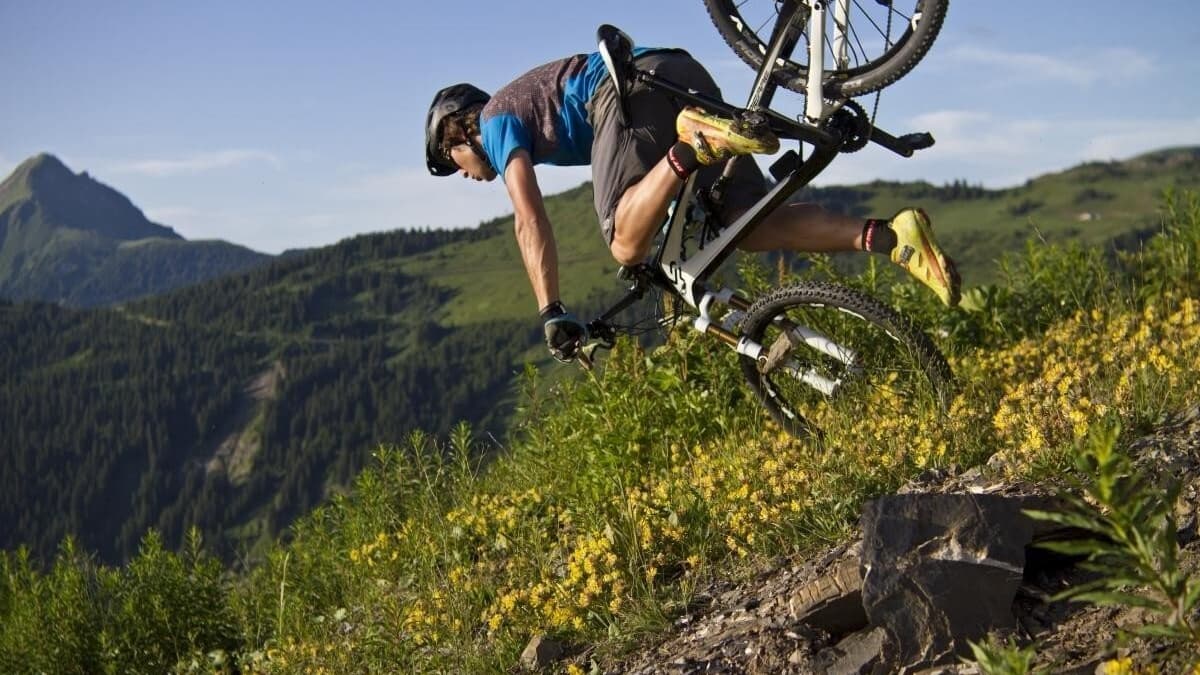
A mountain biker lies in the scree, his knee twisted, his pulse racing. Shortly afterwards, the rescue helicopter circles over the slope. The mountain rescuers look reassuringly professional, the flight spectacular. Almost like on television. The documentary series "In dire straits - mountain rescuers in action" successful. But it's easy to forget that the helicopter doesn't fly for free. And the bill can be more painful than the fall.
In the mountains you have to choose between Rescue and Salvage differentiate. That sounds like bureaucracy. But it's crucial for your account.
One Rescue is when there is a medical emergency: broken collarbone, broken ribs, torn cruciate ligament, serious head injury. In this case, the statutory health insurance fund in your own country usually covers a large proportion of the costs - provided the operation was medically necessary.
Different with the Salvage. Example: sprained ankle in steep terrain. Not really life-threatening, but you can't get down without a helicopter or mountain rescue service. That's when things get tricky. The insurance company can argue that this is not a genuine emergency, so the costs are not covered in full.

The problem is that there is a large grey area in between.
Depending on the country, terrain and flight time, a helicopter mission can quickly cost between 4000 and 8000 euros. A minute's flight costs around 60 to 90 euros. In Germany, health insurance companies often largely cover medically necessary rescue flights. In Austria, on the other hand, many bikers are left with high costs without additional insurance. There, air rescues are more often regarded as classic rescues - and statutory health insurance usually does not pay for them in full.
This is why Alpine clubs and mountain rescue organisations have been advising additional protection for years. This is particularly important: International health insurance plus mountain cost insurance. The good news: it's not expensive. Many international health insurance policies cost less than 20 euros a year - for example from banks, automobile clubs or insurers. They often cover medically necessary repatriation and emergency treatment abroad. However, you should look carefully at the small print when it comes to air ambulances. Some policies only pay for genuine rescues, not just rescues from rough terrain.
That's why many mountain bikers swear by membership of the German Alpine Club. Depending on the section, DAV membership for adults usually costs between 70 and 90 euros per year. In return, membership includes the "Alpine Safety Service". This covers search, rescue and recovery costs worldwide for alpine activities - in some cases up to 50,000 euros.
That can be crucial. This is because the Bavarian Mountain Rescue Service carries out around 13,000 missions every year. These include not only classic accidents, but also blockades, searches for missing persons or missions due to exhaustion. In other words, cases where hikers or bikers simply can't get any further. It is precisely these situations that often no longer fall neatly under "medical rescue".
In short: If you regularly ride in the mountains, you should not only check your tyres and brakes. Our tip: Check your insurance situation!
The facts
The crucial difference: rescue or recovery?
Rescue = medical emergency
- Rib fracture, cruciate ligament rupture, collarbone fracture
- Health insurance takes over in own country
Salvage = rough terrain
- Sprained ankle in steep terrain
- Helicopter arrives due to inaccessibility
- Health insurance company may refuse to pay or only pay in part
The grey area: The two cases often mix - this is where it gets expensive! Health insurance only covers a small part, the rest is up to you.
Who pays what?
Statutory health insurance:
- Only if medically necessary
- Only in your own country (within the EU with possible own contribution)
- Outside the EU: does not pay
Private accident insurance:
- Reaches into the grey area
- Attention: Read the small print! Some only pay for permanent damage or compensation for pain and suffering
Alpine Club (DAV/ÖAV):
- Worldwide search, mountain and rescue during alpine activities
- Also covers "blockades": exhaustion, getting lost, searching for missing persons
What you should have
✓ Salvage insurance (e.g. via Alpine Club)
✓ International health insurance for travelling
✓ Accident cover with assumption of recovery costs

Dimitri Lehner
Editor