


With a new cycling trade fair in Cologne, ZIV and Koelnmesse are taking on the struggling Eurobike. But who is actually still thinking about the customer? An opinion piece.
Conclusion on Kölnmesse’s challenge
The Cologne trade fair uprising is primarily a reflection of wounded industry pride and a battle for perks. Nothing on the Rhine will improve as long as organisers and the industry continue to reduce cycling culture to a mere B2B commodity. Those who play power games in sterile exhibition halls whilst ignoring the wishes of customers out on the streets are merely hastening their own downfall. The cycling industry does not need more trade fair chaos; what it needs is to finally get back down to earth and rediscover genuine passion.
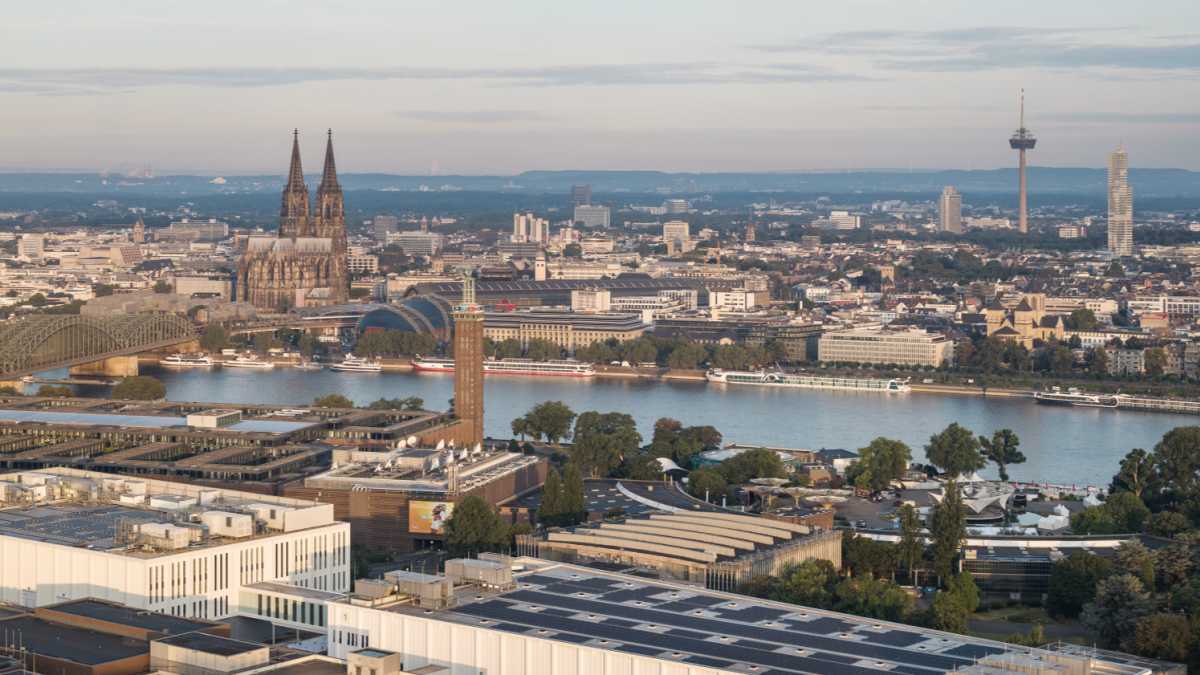
The domestic bicycle industry is in the throes of a deep crisis, yet instead of working together to find a way out of overcrowded warehouses, looming bankruptcies and plummeting sales, the industry’s key players are staging a bitter power struggle. At the end of June – deliberately two days before the start of Eurobike – the German Bicycle Industry Association (ZIV) and Koelnmesse dropped a bombshell: From September 2027, a new bicycle trade fair will launch in Cologne under the flowery headline ‘towards tomorrow – European Bike Show’. It is an unmistakable declaration of war on Eurobike in Frankfurt. Yet, on closer inspection, this supposed breakthrough turns out to be, above all, a lesson in failed trade fair concepts, political intrigue and the devastating alienation of the very people who, at the end of the day, should be the focus: the customers.

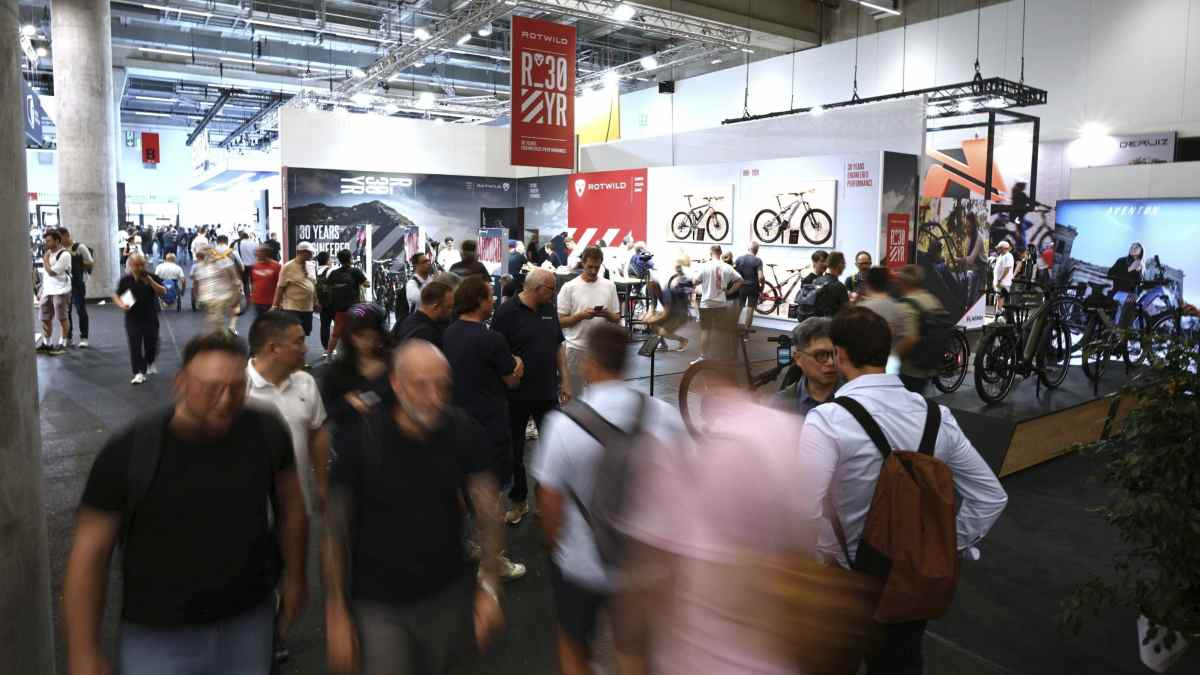
The fact that Eurobike has run into serious difficulties in recent years came as no surprise whatsoever. The move from tranquil Friedrichshafen to the banking hub of Frankfurt was once intended to mark the dawn of a new era of urban mobility. Instead, the organisers produced a blueprint for utter chaos in terms of target audiences. In the end, the Frankfurt exhibition halls were a strange hybrid that satisfied neither the trade visitors nor the cycling community. Retailers tried in vain to hold business discussions in a calm atmosphere, whilst hordes of souvenir hunters jostled through the aisles. At the same time, stand fees, logistics and hotel prices drove up manufacturers’ costs. In response, further major manufacturers withdrew or drastically scaled back their presence. When, on the remaining stand space, mass-produced goods from the Far East came to dominate rather than glamorous model launches, many inevitably began to question the whole point of the event.
Cologne’s alternative proposal: undisturbed order
But why, of all places, should things suddenly get better in Cologne? The Cologne-based lobbyists are promising nothing less than a return to basics. Their approach is radically focused on the pure principles of B2B business: three days in late summer, a clear focus on the trade, no public days whatsoever, undisturbed order-taking – a networking trade fair by the industry, for the industry. Koelnmesse Managing Director Oliver Frese is already raving about the positive response from the industry and emphasises that heavyweights such as Shimano, Bosch, Schwalbe, Abus and KTM are backing the Cologne initiative. ZIV Managing Director Burkhard Stork articulates the ambition even more confidently, emphasising that the Cologne format will restore precisely the network and the lost cohesion of the cycling industry.
Barricaded within the bubble of officials
That may be true from the perspective of the powerful trade associations and purchasing groups, but one thing is also true: the announcement in Cologne is the culmination of years of discord. As early as October 2025, the ZIV – the political mouthpiece of the German cycling industry – terminated its partnership with the Eurobike organisers at Fairnamic – a marriage of convenience between the Friedrichshafen and Frankfurt trade fairs. They felt increasingly sidelined. The substantial profits from the trade fair business went to others, whilst the industry association’s requests often came to nothing. By moving to Cologne, the ZIV leadership is regaining control over this important event business.
This move is being backed by powerful purchasing associations such as ZEG, BICO and VSF. They are all using the Cologne stage to show the Frankfurt trade fair organisation the door. At stake are political control over interpretation, marketing rights and licence fees. The problem is this: whilst the associations’ leaders barricade themselves away in their own bubble of officials and many manufacturers are already doing their own thing anyway, one key player has been completely overlooked: the end customer.
The forgotten target group: the customer
In recent years, bicycles and e-bikes have become increasingly complex and, above all, more expensive. The industry has been building high-priced ‘dream’ models that ignore the budgets and genuine needs of a broad range of consumers. Anyone who believes that a sterile B2B trade fair can solve the pressing problem of slumping sales is ignoring the root of the problem.
A trade fair format that deliberately excludes the end consumer and treats bicycles merely as bureaucratic product categories to be negotiated in exhibition halls robs the product of its soul. If customers walk past the overpriced bikes in the shop, even the most efficient order-taking session is of absolutely no use to the retailer. The organisers in Frankfurt annoyed customers with chaotic crowds, whilst the organisers in Cologne are shutting them out.
Culture, lifestyle and fascination: the charming alternative from Düsseldorf
A glance a few kilometres upriver reveals just how far the giants in Frankfurt and Cologne are out of step with the scene’s wishes. At the stylish Areal Böhler in Düsseldorf, Cyclingworld Europe has long since established itself as a completely different kind of event. Whilst Cologne and Frankfurt wear themselves out in tactical battles, Düsseldorf celebrates cycling as it deserves to be celebrated: as culture, lifestyle and a source of fascination.
The organisers in Düsseldorf are proving that it is indeed possible to captivate both industry professionals and the general public under one roof, provided the atmosphere, emotion and accessibility are just right. It is a place where frame builders meet gravel enthusiasts, and manufacturers and the media meet genuine fans – all without any of that sterile, dreary industrial feel. Cologne is trying to fix the past using old industrial logic, whilst Düsseldorf has long been living in the present.

Josh Welz
Editor-in-Chief