


Light enduro Last Tarvo: Jochen Forstmann: "We're not rowing back - we're going even further"
Laurin Lehner
· 07.06.2026

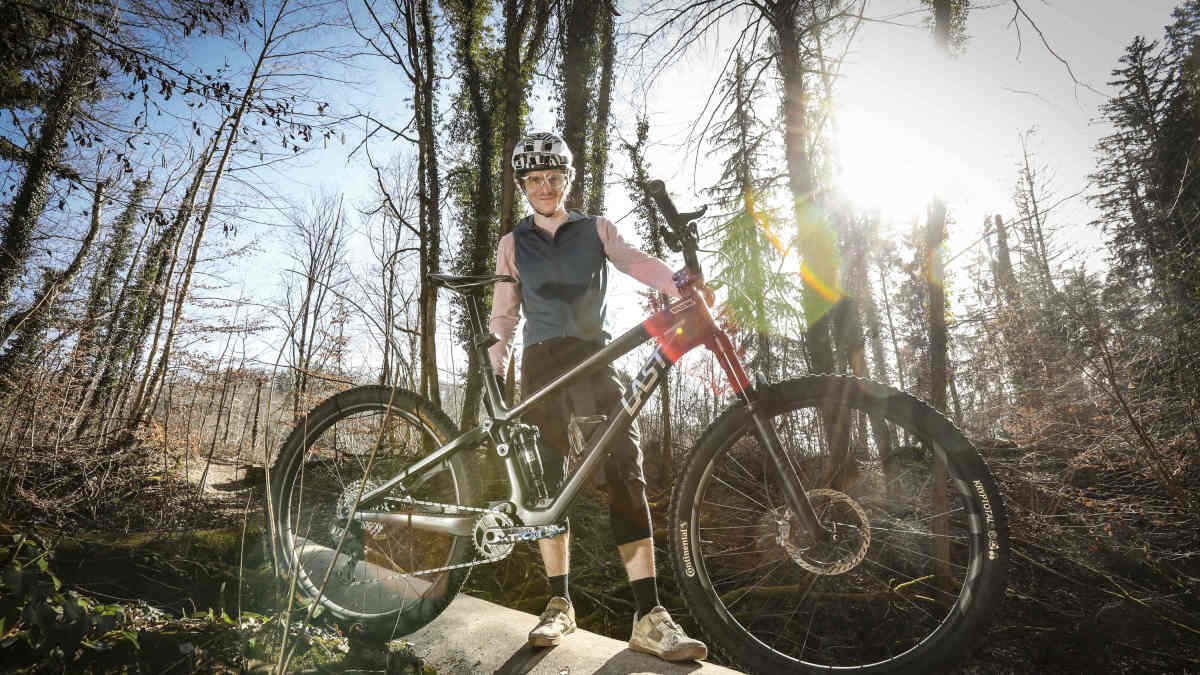
Jochen Forstmann has been building extremely lightweight enduro bikes at Last for years. With the new Tarvo, the frame is even lighter - despite category 5 approval - the highest load standard.
The Dortmund label Last is committed to lightweight construction - just like Liteville once was. Whether downcountry, trail bike, all-mountain or enduro - designer Jochen Forstmann pays attention to the weight of all his models, because he believes that a light bike is a good bike.
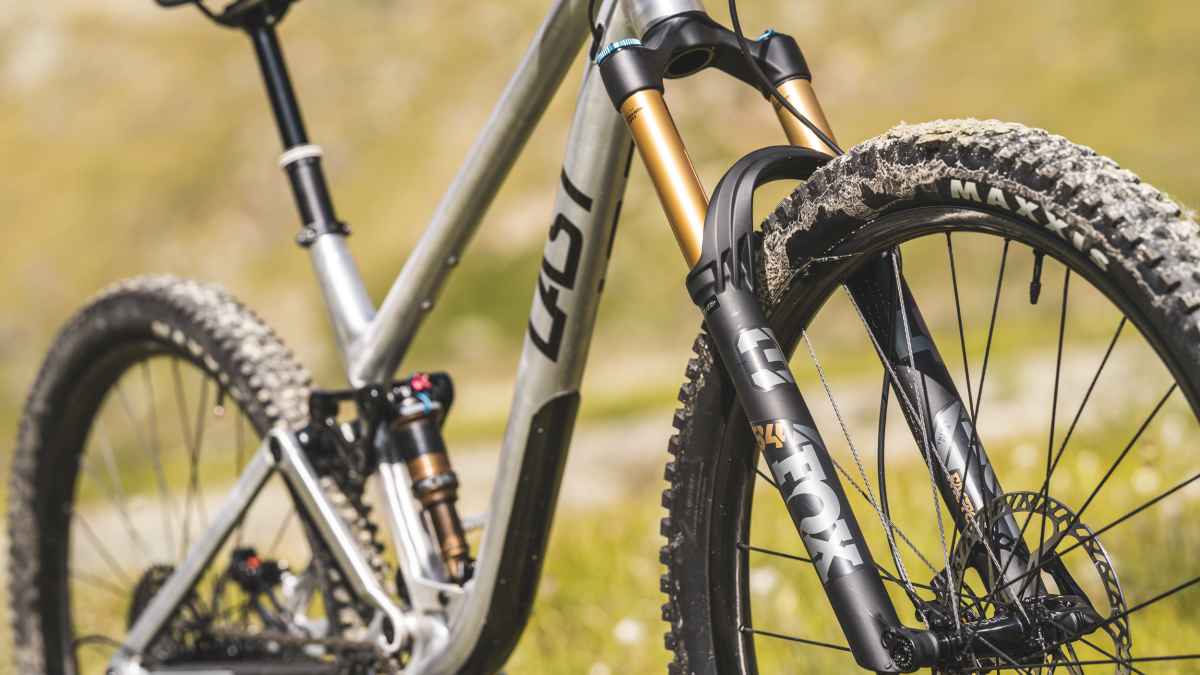
The Last Tarvo is considered the lightest series enduro bike - Forstmann has once again reduced the weight of the frame in the new edition.
Last focusses on individuality: in the in-house configurator, you can build your bike as you wish. Last also goes its own way when it comes to size selection - instead of S, M and L, the frame size is based directly on your body size.
Interview Jochen Forstmann
Before gave it two Layups.
Exactly, the Superduty was category 5 and had a storage compartment, the OG layup, so to speak. Later, we built bikes on the same frame platform with less suspension travel and the option without a storage compartment, but the Featherweight layup was available.

Which Model runs with you on best?
In terms of carbon frames, the Tarvo and the Cinto - i.e. enduro and all-mountain. Coal and Glen are the most popular aluminium counterparts.
Light Bikes apply in principle not as not durable. Somewhere must saved become, for the bearings, for example.
We use Enduro Bearings stainless steel bearings in a very good size that has already proven itself on our aluminium bikes. Reliability was the focus of the design. Many in the industry probably thought that we would have to row back after two or three years with our Light Enduro Tarvo. But the exact opposite is the case: after six years, it's even lighter. The previous bike was already safe, the new one is safe too.
Yours have none Enduro team, with the her all the prove could.
That's right. Jörg Heydt, my partner, is still actively racing and I used to race a lot myself. A team that could race at the front is not affordable for us as a small manufacturer.
Many Designers Build their Bikes for her Racing Team, you for yours Customers?
We have a lot of customers who want a bike for home, for finals, for trips in the Alps - and maybe they have to carry it uphill. A lightweight bike simply makes sense, as we are often told. We build the bikes in such a way that they bring us and our customers as much riding pleasure as possible. In doing so, we sometimes make decisions that are not mainstream or trendy, for example rather short but growing chainstays or a few millimetres more bottom bracket height to avoid constantly touching down with the pedals on alpine trails.
Who buys so a Wheel, which in the configurator often exceeds 7000 Euro costs?
Hardly any beginners. Lots of people who are buying their third or fourth bike and have a clear idea of what they are looking for. Then there are regular customers who are buying their second or third bike. About half of them buy complete bikes, the other half just the frame.
The Tarvo is as MX and Full-29 available. Can one the itself convert?
Yes, you can. You just need a different rocker (price: € 399 incl. all 6 stainless steel bearings), and then you'll even have a few millimetres more travel at the rear. But you can also convert to our other models Cinto (AM), Asco (Trail) and Celos (DC).
In the Test is noticed, that the Wheel in the offenen mode is clearly rocking.
I don't mind the movement, so I always ride open - even uphill. It's a fine line to make a bike so firm that it hardly moves but remains active and sensitive. The new shocks for 2026 will bring another improvement. For me, the most important thing for an enduro bike is how well it goes downhill. Our colleague Paul pedalled up over 6000 metres of altitude in one day in Finale in January.
Why there's none Three-step platform more with Dampers in the Enduro segment?
Good question. Perhaps because a simple switch in damping is not enough. Bionicon, Scott and Canyon have all experimented with variable systems - without seeing any resounding success. It's probably because an enduro bike with serious tyres and wheels doesn't become a trail racer even if the suspension were adjustable.
How see you the Trail bike category? Believes one Scene connoisseurs, dies the Category.
If you mean the US-Canadian influenced trail bike, which would be an all-mountain here, then a lot is lost to the E-faction. I am optimistic about the trail bike in the European sense, with approx. 130 mm travel and CC bikes. The lightness and responsiveness is very attractive for many bikers who don't want a drivetrain. Our Asco is positioned in this area, even if this is not our core market.
Yours could the Asco but still lighter make, when your's not on Category 5 interprets?
That's right, but at 1950 grams we are already very far ahead - without restricting the range of use or thinning out the features. At a certain point in the design of a carbon frame, the limiting factor for lightweight construction is no longer strength but stiffness. This could be solved constructively by using larger diameters, but then the wall thicknesses would be very small and the frame would be fragile. As we don't want that and customers appreciate the ability to convert to other models, we are sticking with the 1950 grams.


Laurin Lehner
Editor