


Conclusion: consistently brief, but not a one-size-fits-all solution
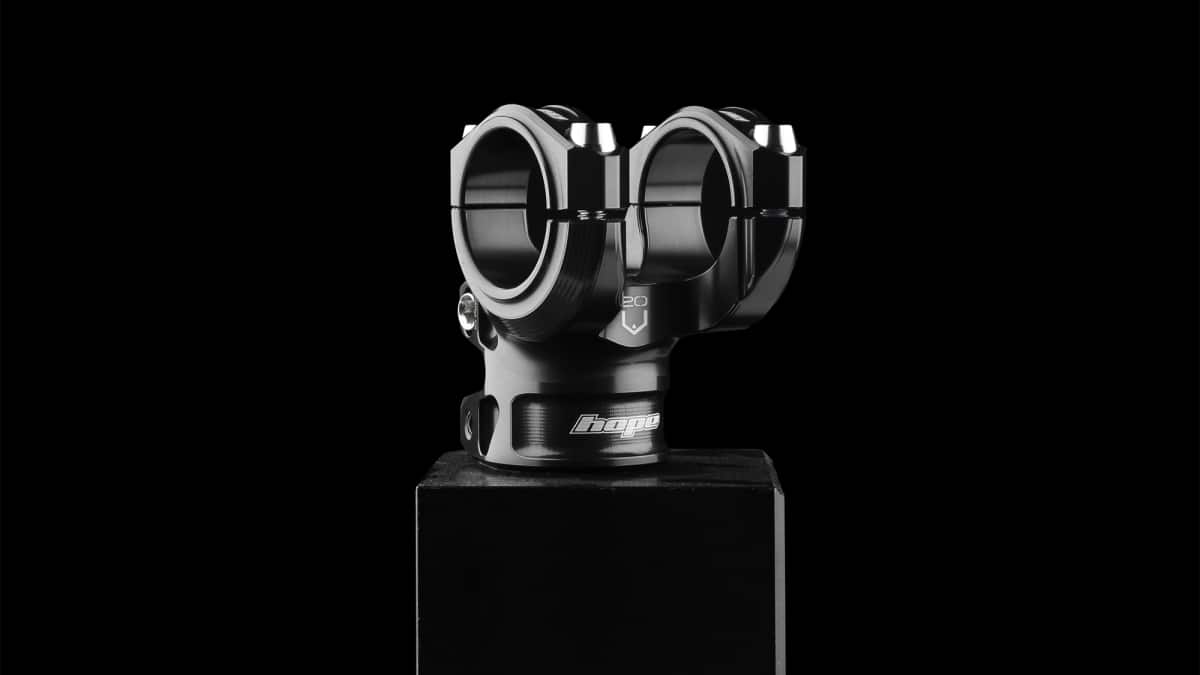
The zero-offset stem takes a trend that has long been established in mountain biking to the extreme: instead of stems with a 35 or 40-millimetre offset, these feature an offset of exactly 0 millimetres. This isn’t a one-size-fits-all solution for every bike, but rather a deliberate cockpit adjustment for riders who want to shorten their reach whilst maintaining a more upright riding position. The idea is particularly interesting on long-cut enduro and downhill frames. This allows you to benefit from the smooth ride of a very long geometry whilst still sitting upright and compact on the bike. Whether the concept actually suits your own bike ultimately depends on the interplay between geometry, handlebar height, backsweep and your personal preferences.
Key facts about the zero-offset stem
- Model: Zero-offset stem
- Category: MTB stem with a length of 0 mm or a forward offset
- Price: 160 euros, plus postage
- Manufacturing: Baden-Württemberg, according to the manufacturer, at MSB Metallbau GmbH and a partner company in the Remstal valley, on a 5-axis milling machine
- Handlebar clamping: 31.8 or 35.0 mm
- Clamping height at the steerer tube: 30 mm
- Weight: 142 g including screws, according to the manufacturer
- Variants: Version for single-bridge forks; according to the manufacturer, a version for double-bridge forks is still at the prototype stage
Why 0 millimetres?
The classic stem design dates back to a time when mountain bikes were steered much more via the cockpit. Even our guide to the Adjusting the MTB cockpit shows just how much handlebar widths and stem lengths have changed: modern bikes feature wide handlebars and short stems, combined with longer frames, to improve control off-road.

The zero-offset stem completely eliminates stem offset. The handlebar clamp is therefore positioned directly above the steering axis. As a result, when the handlebars are turned, they no longer follow a circular path around a pivot point situated further forward. This produces particularly direct steering response.
Shorter cockpit, higher front end
According to the manufacturer, compared with a standard short stem, the handlebars on the zero-stem setup are positioned around 35 millimetres closer to the rider. At the same time, the height changes: without shortening the steerer tube, the handlebars are said to sit around 40 millimetres higher than with a flush-mounted stem with a 40-millimetre clamp height.
This shifts your riding position upwards and backwards. We explain how high your handlebars should be in our guide to ideal MTB handlebar width and height. If the seat tube length allows it, you can, for example, use the head tube angle to opt for a frame size larger than usual to improve ride smoothness, without having to sit too stretched out on the bike due to an excessively long reach. The result: a longer wheelbase and potentially smoother handling on steep or rough terrain, without the centre of gravity shifting further forwards. Whether this approach works, however, ultimately comes down to the set-up and personal preference.
Made in Germany, from the Remstal valley
The Null stem was developed by Markus Schwarz and Eberhard Stollsteimer. It is manufactured locally in Baden-Württemberg. On its company website, MSB Metallbau lists design and manufacturing in the metal, steel and mechanical engineering sectors as its core competencies. According to Manufacturer’s price: 160 euros and is not sold via a traditional online shop.
Editorial commentary
The zero-offset stem not only makes the familiar design slightly shorter, but fundamentally challenges it. That’s what makes it so intriguing. Its potential benefit lies in a very specific change to the effective reach and handlebar height. Riders with a compact and tall main frame are likely to find themselves sitting too upright and too close to the handlebars. On the other hand, those with a long-cut frame or who deliberately choose a size larger may well give their bike a significant upgrade with the zero-stem concept.

Max Fuchs
Editor