


Orbea Wild LT with a throttled Avinox M2S: Why Orbea is taming the DJI power in the Wild
Florentin Vesenbeckh
· 20.06.2026

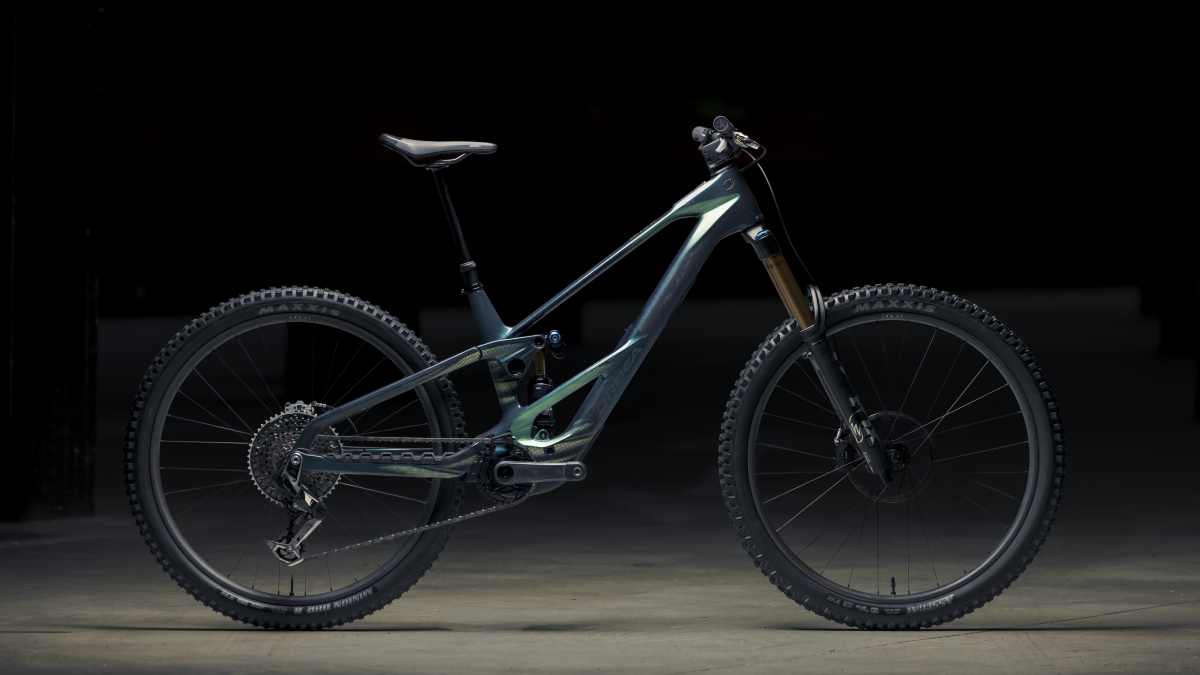
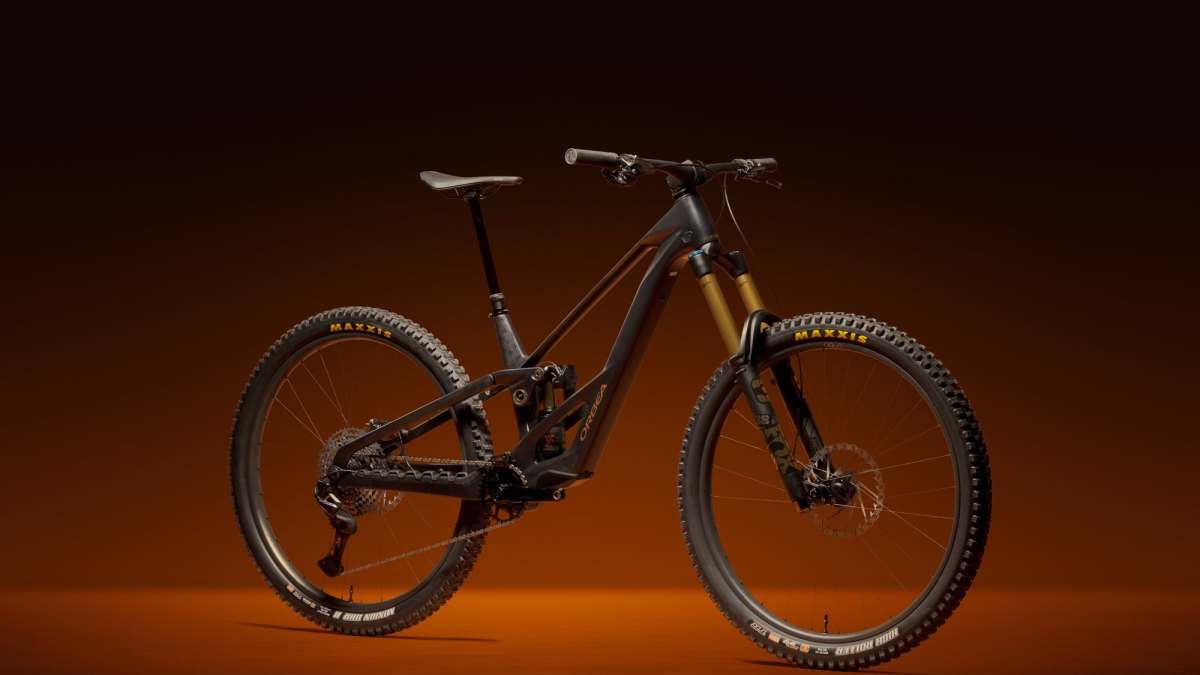
Ironically, it is the bike named “Wild” that is being reined in before it goes on sale. We’re talking about Orbea’s new Wild LT E-Enduro. Although the Spanish manufacturer has fitted their new e-bike with the super-powerful Avinox M2S, which theoretically delivers up to 1,500 watts, However, in the Orbea bike, the motor is throttled via proprietary software. The super-powerful motor delivers ‘only’ 750 watts in the in-house RS-Tune configuration. “We only deliver maximum power where you really need it,” says Orbea. In their own configuration, the motor is designed to respond more quickly and smoothly to the rider’s input. With the standard M2S, the developers claim to have identified a delay in the response.
In the modes featuring Orbea’s RS-Tune, the motor is said to respond much more directly and sensitively to the rider’s input, making it easier to control. The Orbea team’s argument is that more power doesn’t really help you on technical climbs. This is something we’ve also observed in various real-world tests across a range of situations. However, it depends very much on the situation. Whilst you certainly benefit from the immense thrust provided by the sheer power on some sections, the aggressive push is simply too much of a good thing in others. The bike gets catapulted off the ideal line, or precise steering becomes unnecessarily difficult. That’s exactly what the Spanish team are aiming to prevent with the RS-Tune.
Torque vs. Power
When it comes to torque, however, the controllers remain fully open. The M2S delivers 130 Newton metres even in the Orbea setting. This means that when pedalling slowly, the rider has the full power of the motor at their disposal. And according to Orbea, these are precisely the situations in which e-mountain bikers really need that power. For example, on steps, technical root sections and steep sections. Here, the high torque helps the rider past the dead centre.
Another argument put forward by the Spanish developers is range. Whilst the Avinox M2S’s full power can drain the battery in no time at all, the motor is said to last significantly longer in the throttled RS-Tune mode. It makes sense: high power consumption draws a lot of electricity. Consequently, the motor is more economical in RS-Tune mode. This can, of course, be particularly useful in the lightweight configuration with a 600 Wh battery.
Incidentally, the “less is more” philosophy has a long tradition at Orbea. In the the successful Rise Light Bike A Shimano motor has been in use for some time now, but it does not unlock the full potential of the standard hardware. The Shimano EP 8 RS from Orbea. Here too, Orbea is using high torque at moderate power, and here too, the Spanish manufacturer aims to save battery life.
Power boost via the app
Power junkies keen on an Orbea Wild LT needn’t worry, though. That’s because the Wild’s motor can also be tuned to its full potential using RS-Tune via the app. All you need to do is create a new mode, in which all parameters can then be adjusted to your liking. E-bike riders then have access to up to 1,300 watts and 150 Nm in Boost mode. The 1,500-watt peak power that the M2S is theoretically capable of is only available with the special 700 battery, which doesn’t fit in the Wild LT.
What do you think? How much power does an e-MTB need? Would you remove the restriction in the app? Let us know in the comments.

Florentin Vesenbeckh
Editor CvD
