


Ibis Oso E-MTBs 2026: Cult manufacturer relies on e-bikes with 600 watt hours
Adrian Kaether
· 23.04.2026


Ibis ventured into the e-bike business later than many of its competitors and focussed on premium positioning right from the start. After the enduro model, the brand from Santa Cruz is now launching two further variants and a new frame - turning the Oso into a modular platform for different areas of use. However, the banana swingarm of the first Oso is now a thing of the past. Visually, the bike is based on more conventional new Ibis models such as the Ripmo (reviewed here).
Ibis Oso: 3 bikes, 3 personalities, 1 chassis
Oso HD (Heavy Duty)
The Enduro flagship with 180 mm travel at the front and 165 mm at the rear. Fox 38 and Float X2 provide reserves for rough terrain. The only model variant with Fox Factory suspension and Eagle 90 mechanical transmission will cost 8999 US dollars.
Oso TR (Trail)
The all-rounder with 160/150 mm travel. According to Ibis, efficient enough for all-day tours, but still playful and capable downhill. The golden mean for "anywhere and everywhere". Just all mountain. There are two versions here. Either with Rockshox Ultimate and GX Transmission for 9,699 or with Lyrik Base and Eagle 90 Transmission mechanical for 8499 dollars.
Oso S (Sport)
The most accessible version with 140/130 mm and RockShox equipment (Pike/Deluxe Select+). Price: 7999 US dollars - that's almost moderate by Ibis standards. It is noticeable that Ibis offers relatively few variants overall. There is no entry-level bike, but high-end customers who want branded wheels and a high-end drivetrain are also left empty-handed.
Many sizes, adjustable chainstays
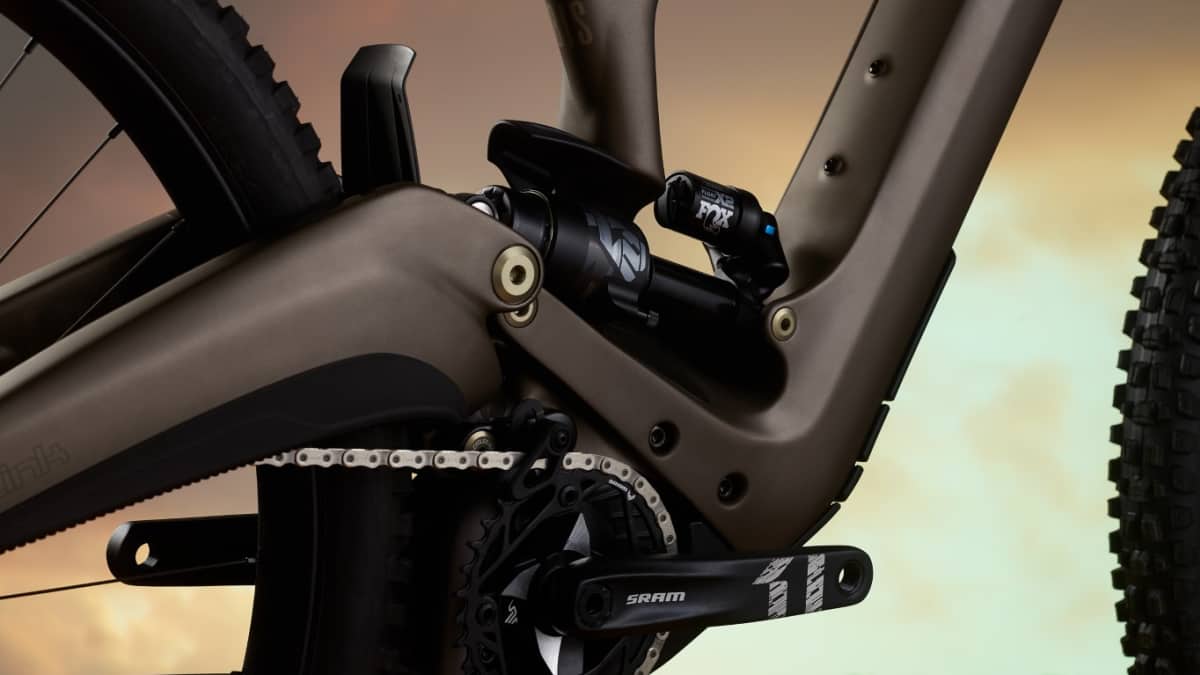
All three models are based on the same frame with Bosch Performance Line CX Generation 5 - combined with the permanently installed PowerTube battery with 600 Wh. While the competition is increasingly focussing on 800 Wh, Ibis is sticking with the more compact solution. This should also benefit the weight. For long distances, Bosch offers the PowerMore mount for an additional 250 Wh battery.
Typical Ibis: The variable chainstay length enables extensive geometry adjustments via various dropouts - from an agile trail setup to a stable enduro configuration with large or small wheels. The adjustment range is drastic: 440 mm in 27.5 short and 465 mm in 29 inch long. The rear triangle was developed in cooperation with suspension guru Dave Weagle and should deliver a decent performance on the trail.
When it comes to frame sizes, Ibis shows its usual attention to detail: S, M, XM, L and XL cover a wide range of riders. Interesting: The S trail version rolls completely on 29 inches, while HD and TR are built with a mullet setup (29"/27.5") or completely on 29", depending on the size.
Delivery from May
The Oso trio is due to be delivered from May 2026. It remains to be seen when the models will come to Europe and what the prices will be here. However, Ibis traditionally charges a significant premium compared to US prices.
BIKE conclusion
Ibis remains true to its premium line, but with the three Oso variants it is offering real choice in the E-MTB segment for the first time. It will be interesting to see how the bike with the compact battery performs on the trail and whether the moderate equipment, presumably combined with high-end prices, can convince enough customers.



Adrian Kaether
Editor
