


Van Rysel RCR-XC in detail: This is Decathlon’s new 32-inch full-suspension bike
Florentin Vesenbeckh
· 09.10.2026


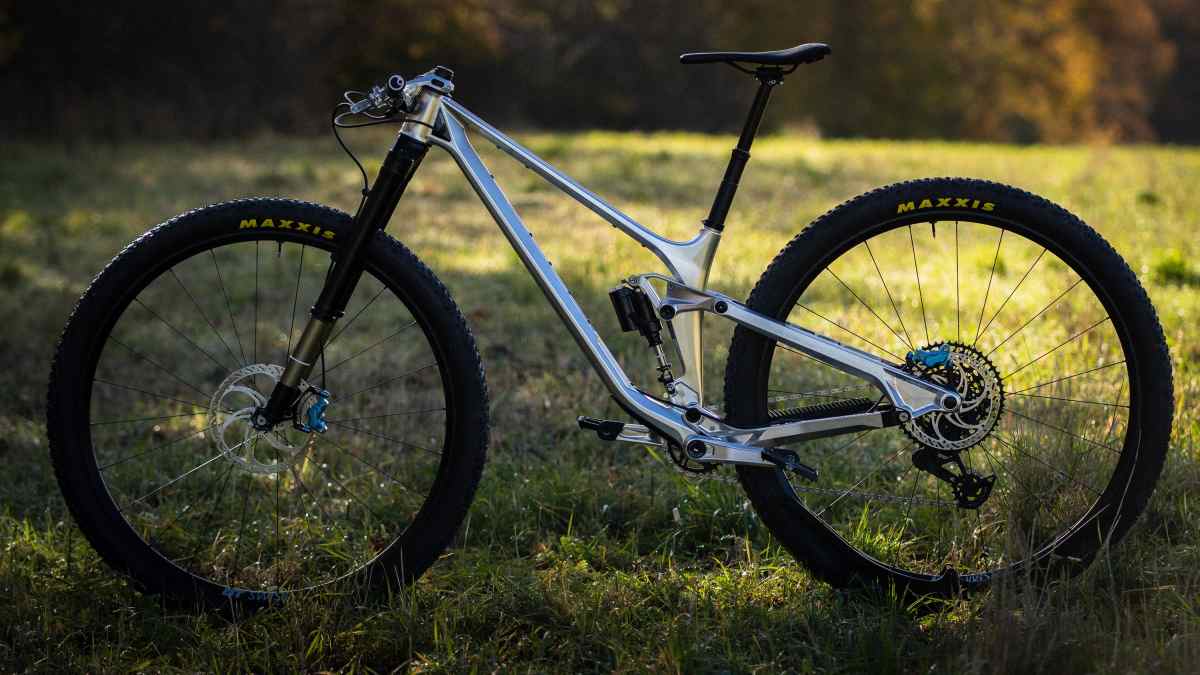
The Van Rysel RCR-XC is a new cross-country full-suspension bike with 32-inch wheels and a carbon frame. It is set to compete for Team Decathlon Ford from 2027. Van Rysel has already released figures on frame weight and aerodynamics, but is yet to disclose details on geometry, rear suspension travel, overall weight and price. For the time being, the bike is a race bike for professionals; it is not a consumer model with a confirmed release date.
What is known about the RCR-XC?
| Manufacturer's specifications | |
| Scope of application | Cross-country racing |
| Frame | Carbon |
| Training wheels | 32 inches |
| Suspension travel | 130 mm at the front; no figures given for the rear |
| Frame weight | 230 g lighter than the 29-inch Team bike from 2026, both in size M, according to the manufacturer |
| Aerodynamics | 15.5 W less aerodynamic drag at 35 km/h compared with the 2026 team bike, according to Van Rysel |
| Availability and prices | Not yet known; first professional appearance from 2027 |
32 inches: The advantage of outstanding invoices
With its first in-house MTB, Van Rysel has deliberately opted for larger wheels. These make it easier to roll over obstacles and provide traction on loose ground. Our previous test has already shown that this approach has real potential, Real-world and lab tests comparing another 32-inch full-suspension bike with a 29er. However, we also measured a 27 per cent higher moment of inertia for the larger wheels there. This figure is expressly not from Van Rysel.
The increased weight of the bike is also often criticised as a drawback of the larger wheels. Van Rysel aims to counter this with a particularly lightweight frame. The French manufacturer claims a weight saving of 230 grams for the frame compared with the team’s previous 29-inch platform. No details are available yet regarding the weight of the complete bike or its 32-inch wheels.
Aero-XC: 15.5 watts according to wind tunnel tests
Van Rysel also claims to have placed particular emphasis on the full-suspension bike’s aerodynamic properties, applying expertise from road racing to off-road riding. The RCR-XC is said to save 15.5 watts at 35 km/h in the wind tunnel compared to the mountain bike ridden by Decathlon’s Ford in 2026. This is a comparison with the team’s previous bike; it is not proof that the RCR-XC is faster than other current XC full-suspension bikes.
The Aero-Fokus is in line with a trend that BIKE has already highlighted Canyon’s 32-inch concept bike, the Lux Era has described. In racing, however, it is not only aerodynamic drag at high speeds that counts, but also how the bike performs on technical terrain and during repeated accelerations.
130 millimetres at the front; further details are not available
The stated suspension travel is also noteworthy. The suspension fork is said to offer 130 millimetres – which would be more than the standard 120 millimetres found on other modern race full-suspension bikes. This is surprising, as the larger wheels would already suggest greater shock absorption capabilities. The company states that the combination of 32-inch wheels and suspension has proven its worth during downhill test rides.
It remains to be seen how much rear suspension travel the bike will offer. Similarly, there is as yet no complete geometry table or definitive information on standard equipment. In the press release, however, Van Rysel does name its development partners: Zipp, RockShox and Vittoria. RockShox is of particular interest here. This is because neither RockShox nor Fox has yet unveiled a 32-inch suspension fork. The vast majority of 32-inch prototypes therefore feature the rare Intend Samurai XC, the first production suspension fork for 32-inch bikes.
The price remains to be seen, too. Van Rysel intends to have Decathlon Ford ride the RCR-XC in the World Cup initially, and will announce the launch date at a later stage. Until then, the key question remains: can the new full-suspension bike combine the advantages of large wheels with a low overall weight and agile handling? To provide a definitive answer, we’ll need comparative measurements and a test ride. We’re certainly looking forward to finding out.

Florentin Vesenbeckh
Editor CvD
