


Carbon, Celeste, character questions
I come from mountain biking. It's a simple world: you know who's delivering, who's just tagging along and which logo makes you pull out your credit card. And now I'm standing in front of a racing bike. Sleek, elegant, fast - and completely confusing. Welcome to the feuilleton on two wheels.
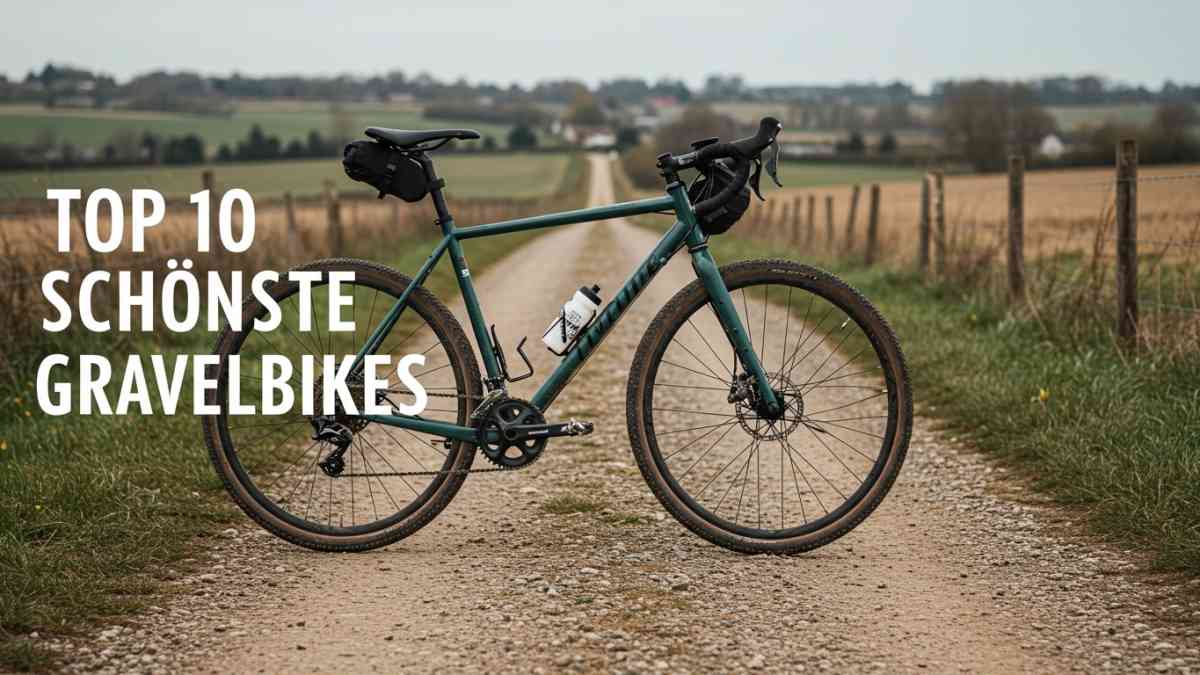
It starts harmlessly. You "just want to have a look". A racing bike perhaps. Or a gravel bike, because everyone says gravel is the new yoga: decelerated, but with attitude.
And then you stand in front of the shop window and realise: this is not about wheels. This is about world views.
With mountain bikes, everything was clear. There were the heroes, the engineers, the dazzlers. A neat ranking list in my head, neatly sorted according to "have to have" and "never in my life".
On the street, on the other hand: chaos. Beauty. Myth. Italy. It's difficult for outsiders and newcomers to understand because there are so many contradictions. Bianchi, for example. A traditional brand from Italy with a long history, building bikes since 1885, and yet many hardcore racing cyclists say: "No way!"

Suddenly you stand there and think to yourself: Do I need high-tech - or do I need a story?
From spanner to feeling
You rarely buy a road bike with your head. Of course, you claims that. People talk about stiffness, aero values, watt savings. But the truth is, it's like watches: Nobody needs a mechanical watch. And yet people still wear a Rolex on their wrist, even though a Seiko can be more precise. Not to mention the wrist computers. There is more hi-tech in a Garmin than in the first lunar probe.
It's no different in cycling.
A Pinarello doesn't just ride fast. It feels fast. It looks fast. It tells you about the Tour de France just by looking at it, even if you're just cycling to the bakery.
A Colnago whispers to you about legends, dusty passes and men in woollen jerseys.
And a Specialized with the magical addition S-Works says quite immodestly: I am the best that money can buy.
Is that true? Maybe it is. Maybe it's not. But it feels like it.
The great bike hierarchy (which nobody admits)
As with cars, there is also a secret hierarchy here. Nobody talks about it openly, but everyone knows about it.
1. the "Porsches" - performance with racing DNA
What counts here is winning, not excuses.
Examples.
- Pinarello - the Ferrari feeling on two wheels
- Colnago - Tradition as an investment
- Specialized (S-Works) - High-tech from the wind tunnel
- Cervélo - Aero to the last bolt
- Trek - American engineering with a tour subscription
- Look - Race-Tech from France
- Cannondale - innovator and oversize pioneer from Conneticut/USA
2. the "Maybachs" - luxury that needs to be explained
It's all about style. And the good feeling of driving something special.
- Passoni - Titanium as an art form
- Curve - Exclusivity from Australia
- Bastion Cycles - 3D printing meets craftsmanship
- De Rosa - pure Italian elegance
3. the "Bugattis" - rare, radical, uncompromising
This is where reason ends.
- BMC - Precision from Switzerland
- Factor - Aero from space travel
- Bike Ahead - technology fetish in its purest form
4 The "rational elite" - dangerously good
They build the best bikes for the money. That's exactly their problem.
- Canyon
- Rose
- Giant
- Cube
Effective. Efficient. But unfortunately without drama.
Gravel: The anarchic sister
And then there's Gravel.
Gravel is rarely interested in rankings. Gravel is the maid of honour who attends the wedding barefoot and looks better than everyone else, even the bride.
The colleague from the editorial team puts it in a nutshell:
"Wide rims, wide tyres - and this thing is sexy."
That's all it takes.
A Wilier Testina with 50 mm tyres can completely undermine you emotionally. Simply because it looks like it can do everything: road, gravel, adventure.
Gravel is less status, more attitude. But the same applies here: you can't do it without an image.
Why we remain irrational (and that's a good thing)
The truth is inconvenient:
A Canyon often wins the lab test. It is lighter, more aerodynamic, cheaper.
And yet sometimes you want the Pinarello.
Why?
Because technology delivers numbers.
But brands deliver feelings.
Because a bike doesn't just ride.
It tells a story.
And because, if you're honest, you don't just want to be faster -
but you want to feel faster.
Conclusion: head or heart?
At the end there is this one question.
Two wheels. Equally fast.
One rational, one emotional.
You get both as a gift.
Are you going for the sensible Canyon?
Or the Italian dream of Colnago?
The answer says less about the bike.
More about you.
The facts
1. the "heritage" capital (the soul of the brand)
Brands like Bianchi (founded in 1885), Pinarello or Colnago do not sell aluminium or carbon - they sell History.
The "myth": If you have a Bianchi in Celeste (the typical turquoise blue), you are also buying Fausto Coppi and Marco Pantani.
Emotion vs. function: German brands such as Stevens, Cube, Rose or Canyon are comparatively young. They have the image of "engineering offices". They build effective machines, but they don't have any legends who rode over the Tourmalet in woollen jerseys 70 years ago.
2. the "S-Works" phenomenon: marketing ingenuity
Specialised is a special case. The brand is not old, but it has the "S-Works" label as a luxury good in its own right.
The Porsche effect: An S-Works is often technically no better than a Canyon, but Specialized invests heavily in visibility (wind tunnel videos, top athletes like Peter Sagan or Remco Evenepoel).
Affiliation: An S-Works signals: "I'm prepared to pay for the best." It is a status symbol that is artificially fuelled by exclusivity in the shops and high prices.
3. direct mail order stigma vs. retailer exclusivity
Canyon and Rose have a "problem": they are too sensible.
Value for money kills exclusivity: If you buy a bike because, according to Tour Magazine The best value for money is decided with the head. You decide on luxury with your gut.
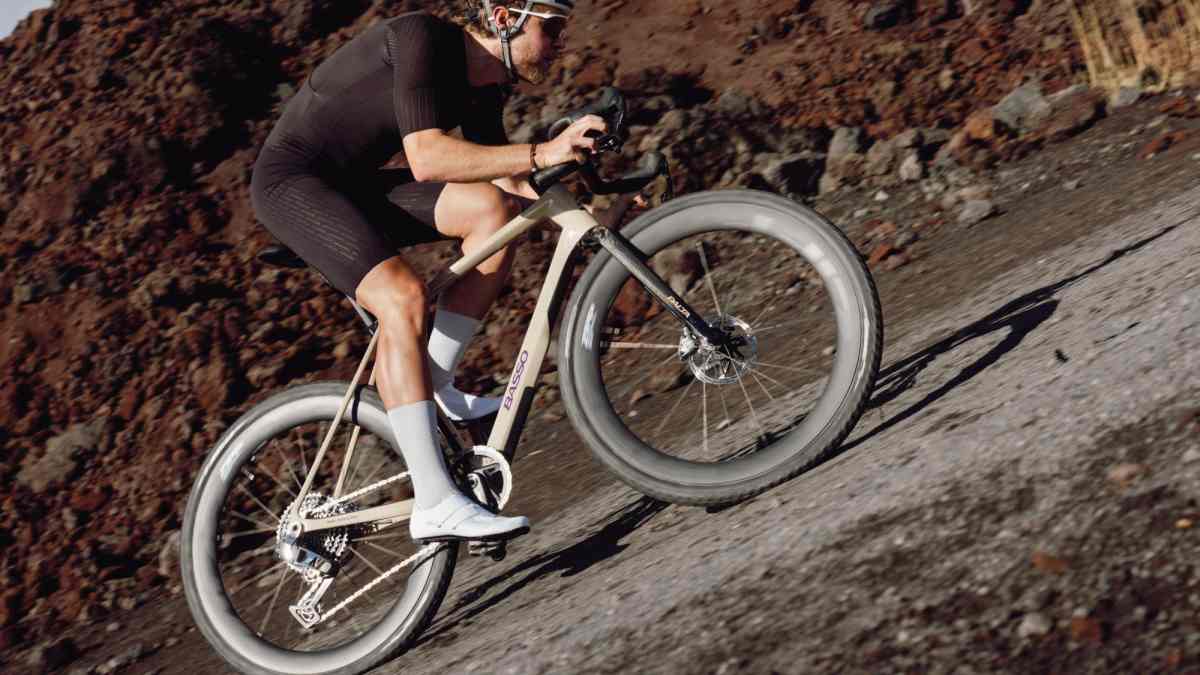
Availability: A brand like Basso or Wilier you won't find in the big online shop for everyone. You have to go to a specialised boutique retailer. This process of "search and find" increases the value in the perception of the buyer.
The ranking of perception. Examples.
| Hypercars / Nobility | Pinarello, Colnago | TDF history, Italian design, extremely high prices, "Made in Italy" myth. |
| Premium performance | Specialized (S-Works), Cervélo, Trek, BMC, Look | Technological dominance, aggressive professional marketing, high desirability rate. |
| Cult & Tradition | Bianchi, Ridley, Wilier, Basso | Strong national identity (Italy/Belgium), classic history. |
| The "rational elite" | Canyon, Giant, Rose, Stevens, Giant | World-class technology, but "too ordinary" for luxury status due to mass and direct sales. |
| The "bread & butter" wheel | Cube, Bulls, Radon | Focus on value for money and specialised trade mass. Top bikes, but without "sex appeal". |
Why don't test scores work against image?
A Rose or Canyon wins almost every laboratory test. But:
Laboratory values are unromantic: A Pinarello may be heavier or less aerodynamic than a Canyon Aeroad - but it looks "fast" and feels like a "Grand Tour".
Price as a sign of quality: In behavioural economics, there is the effect that people automatically consider a more expensive product to be better. If a Pinarello Dogma 14,000 € costs, must many people perceive it to be better than a Canyon for € 7000, even if the measurements say the opposite.
Conclusion: Is it just the price?
No, but the price is the Doorman. The image arises from the Combination of sporting success (Pro-Tour), aesthetics (design language) and historythat the wheel tells.
Canyon is working hard to achieve this status (through Mathieu van der Poel's victories), but you can't beat 100 years of Italian cycling tradition in a decade.

Dimitri Lehner
Editor