


155 mm vs. 170 mm: Short cranks in the test - what they bring to mountain biking
Max Fuchs
· 08.05.2026

Conclusion by Max Fuchs, BIKE Test Editor
There is a clear recommendation for E-MTBs and gravity bikes: The shorter crank arms provide more safety on downhill sections, create a firmer stance and make handling easier. The lower leverage when pedalling can easily be compensated for with a smaller chainring. So there is no excuse for anyone aiming for maximum downhill performance. Shorter cranks are better!
From 170 to 155 millimetre long cranks
15 millimetres shorter - that doesn't sound like much. But it is not. Because the crank is shorter in both directions, the overall stance width shrinks by 30 millimetres. This is immediately noticeable. The bike looks more compact, the centre of gravity moves further towards the middle and you feel more secure on the pedals.
Downhill: More control, more stability
The decisive argument in favour of short cranks for downhill: you can lower your heels further. Particularly on the rear pedal, it is difficult to keep the heels low due to the greater extension of the leg. The more compact stance on the 155 mm cranks makes this much easier.
But what are the benefits of low heels? The lower the heels, the lower the centre of gravity. The lower the centre of gravity, the more securely you feel integrated behind the cockpit. This allows you to stand securely on the bike even on high-speed sections or in tricky terrain - the perfect starting position for moving the bike through the terrain in a targeted and controlled manner. On top of this, a lower centre of gravity also improves braking traction.

When things get dicey
Another benefit of short cranks: If you head towards trail sections that are difficult to see or get scared because the front wheel slips over a wet root, you tend to straighten up, pull your heels up and cramp up in a higher, more unstable riding position. This happens intuitively and is practically the worst-case scenario in demanding terrain and usually completely robs you of control in tricky situations. Due to the more secure stance on the shorter cranks, in critical situations you generally remain in a safe stance for longer before you straighten up. To put it simply: with shorter cranks, you are less likely to be rattled by a fright.
Pedalling through technical terrain: more stable under load
Pedalling out of corners with targeted short sprints, lifting the bike over edges with pedal impulses or keeping your balance when riding slowly - this is also more controlled with shorter cranks. This is because the smaller circular path on which the pedals circle reduces the radius of movement of the legs when pedalling. The smaller radius of action of the legs causes less unrest on technical climbs and makes control easier. In addition, the ground clearance is of course also improved, making it easier to pedal over bumpy sections.
The big but: less leverage
Anyone who believes that shorter cranks are simply an upgrade without hooks is mistaken. The disadvantage is noticeable: less leverage when pedalling. With shorter cranks, for example, it is harder to get the bike going from a standing start on technical uphills. Another example: You push up a steep ramp in the easiest gear and are at the limit of what you can ride. With the same gear ratio and longer crank arms, you can climb steeper ramps with the same amount of effort. In other words: If you run out of gears going uphill, you will find it easier with longer cranks.
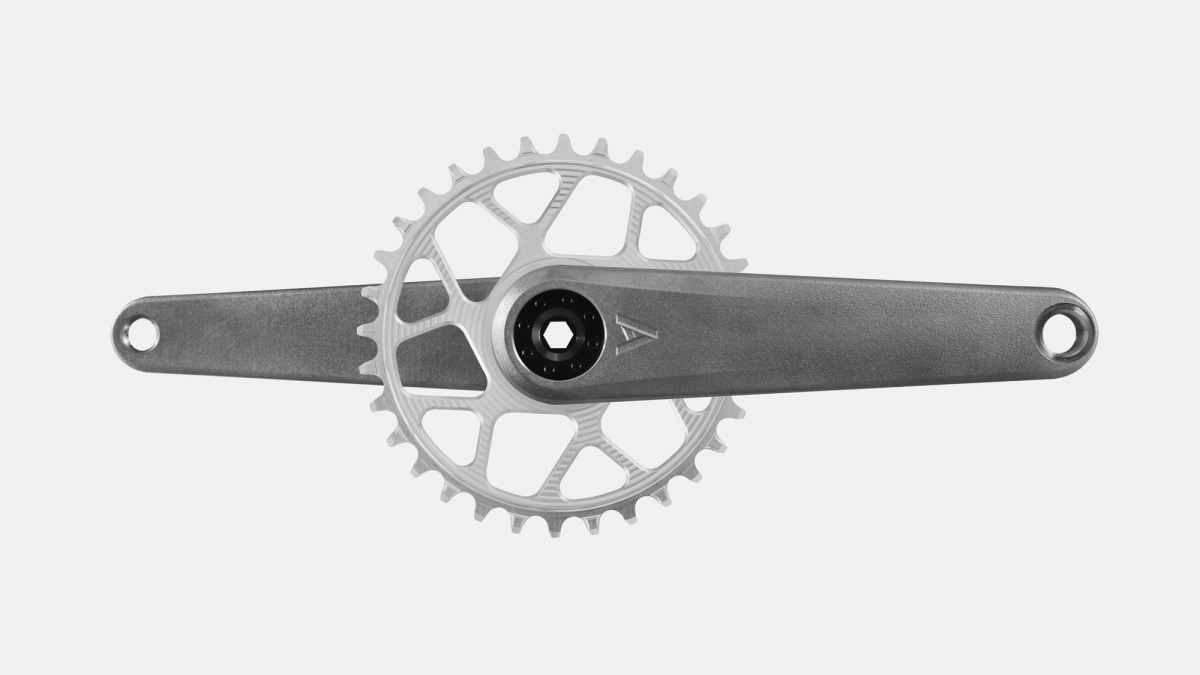
This applies to bikes with and without a motor. With motor assistance, however, the consequences are limited - here you simply have to call up more motor power. With the Bio-Bike, the only thing that helps is thicker calves or switching to a smaller chainring to adapt the gear ratio to the reduced leverage. In our test, we switched from a 32-tooth chainring to 28 teeth on the 155 mm cranks. The result: 4 teeth less and the climbing characteristics are restored.

Max Fuchs
Editor