


Anyone wanting to wax a new bike chain usually faces the same problem: the factory-applied grease first has to be laboriously removed. This is where Rex comes in with its new Transformer Block. The additive is added directly to the hot chain wax and is designed to make the traditional cleaning step unnecessary. This is made possible by a chemical process that converts the existing grease into a solid substance which does not impair the wax’s adhesion.
Waxing and cleaning in one step
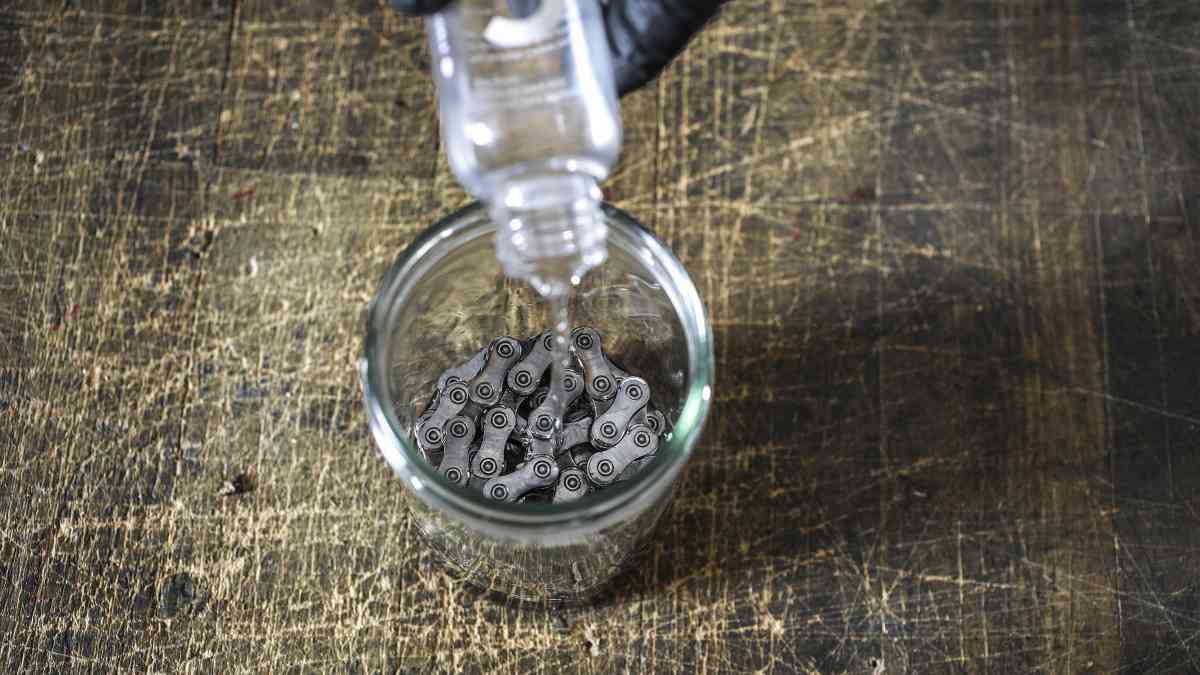
The approach is simple: rather than cleaning, degreasing and then waxing in several separate steps, Rex combines these processes. As the wax melts, the additive disperses throughout the wax bath and penetrates the chain. This binds any residues whilst simultaneously building up a layer of wax. The result is a clean chain that is ready for immediate use – without the need for additional solvent baths.
The formula was developed in collaboration with the University of Helsinki and, according to the manufacturer, is designed to provide better durability than a chain that has been meticulously degreased and then hot-waxed.
The Transformer Block is primarily aimed at riders who regularly use waxed drivetrains. A properly waxed drivetrain is considered to be quieter, produce less friction and last longer than traditional oil-based lubrication. This new approach is designed to make this technology more accessible – particularly for racers or keen MTB and gravel cyclists, for whom efficiency and maintenance requirements are key considerations.
Clear restrictions on use
Important: According to the manufacturer, this product is intended exclusively for new chains. Chains that have already been used or are dirty must still be cleaned using conventional methods before they can be waxed. The Transformer Block therefore remains a specialised tool for initial set-up or when switching to a waxing system, but is not suitable for regular cleaning during use.
Key features at a glance
- Additive for hot-wax systems for chain treatment
- Converts factory-applied grease into a wax-compatible substance
- Combines cleaning and waxing in a single step
- Saves on solvents and reduces the number of steps required
- Designed for new, unused chains
- Intended use: Road, gravel, MTB, e-MTB
- Use in a wax bath (e.g. with a wax heater)
- Price: 15.95 euros per pad
Conclusion
The Rex Transformer Block is not a traditional care product, but a clearly defined specialist tool. The approach of combining cleaning and waxing is practical and could save time, particularly for mechanics.
Whether the concept catches on depends largely on how well the chemical process works in practice. For riders who already rely on wax systems, however, the product offers an interesting way of simplifying one of the most time-consuming steps in the set-up process.

Chain oil or chain wax? What do you use on your bikes? Please do let us know what you think.

Stefan Frey
Editor
