


For a long time, chain waxing was mainly the preserve of mud-lovers, marathon cyclists and tech geeks. But the practice has now well and truly established itself in the mainstream. The reason is simple: waxed drivetrains run smoothly, attract significantly less dirt and are considered to suffer less wear and tear.
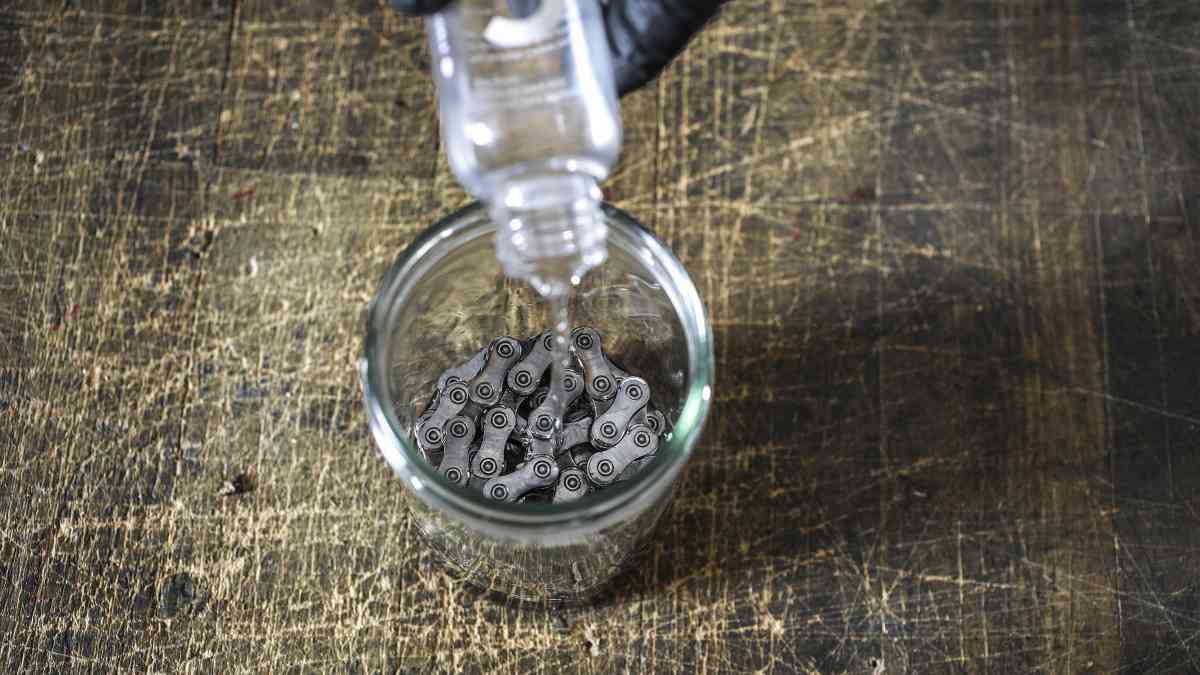
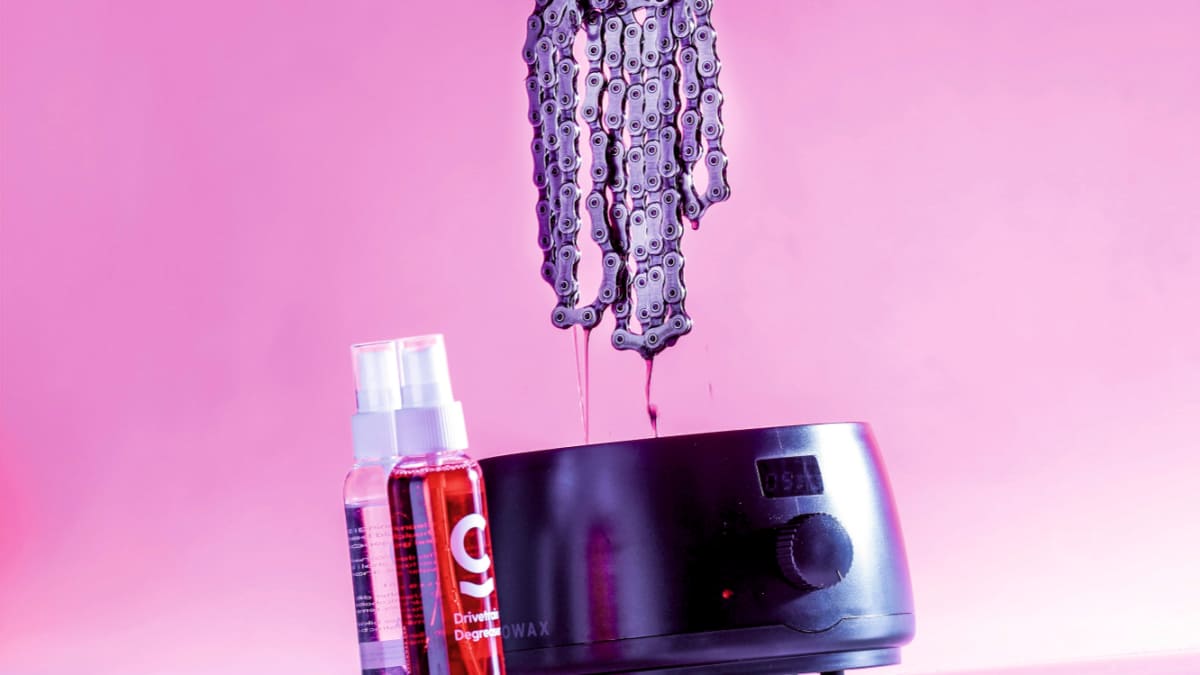
The catch is that it’s a lot more work than using traditional chain oil. If you want to do it properly, you have to completely degrease the chain before waxing it and then immerse it in hot wax. Stan’s is taking a different approach with its new Polar Drip Wax So here’s a different approach: it is applied in the same way as a conventional drip lubricant, but the result is intended to deliver the performance of a wax-based lubricant.
Polar bonding instead of a wax coating
The real innovation lies in what is known as the Polar Bonding Technology, which Stan’s has developed in collaboration with WPL (Whistler Performance Labs). According to the manufacturer, it is the first lubricant solution on the cycling market to be based on this principle.
Unlike standard wax products, which simply coat the chain components, the polar wax molecules are designed to actively bond to the steel surface of the chain. This is intended to create a direct chemical and mechanical bond with the chain’s rollers and pins.
The advantage is that the lubricant can be formulated to be less viscous, penetrates the moving parts more easily, and is still designed to adhere particularly well over the long term. Stan’s promises that this results in high efficiency whilst ensuring smooth, clean operation.
Simply apply it instead of making a chain
When applied, Polar Drip Wax is more reminiscent of traditional lubricants than a hot-wax system. The wax comes in a water-based emulsion and is dripped directly onto the chain. The water then evaporates, whilst a dry wax film forms. If you want to further increase its durability, you can apply a second coat after a short while.
Interesting: Together with the in-house Bio-based Drivetrain Cleaner The chain should not only be cleaned, but also prepared for Polar Bonding technology at the same time – and all without the use of harsh degreasers or solvents.
Stan’s Polar Drip Wax – Information & Price
- New drip-wax lubricant for bicycle chains
- Plant-based formula containing no petroleum-derived ingredients
- PFAS- and PTFE-free
- Application without a hot wax system
- Dry, dirt-repellent waxed fabric
- According to the manufacturer, it lasts for over 322 kilometres per application
- Designed for all weather conditions
- Contents: 120 ml
- Price: 18 euros
Conclusion from the editor’s perspective
The wax trend has long since become more than just a short-lived fad. More and more cyclists have recognised the benefits and want to enjoy the advantages of a clean and durable drivetrain. However, nobody wants to turn into an amateur chemist in the process. With the Polar Drip Wax, Stan’s could offer a solution that is more accessible to amateur cyclists.
However – as with all other waxes – the chain must be stripped of its base lubricant before using Polar Drip Wax for the first time. It remains to be seen whether the drip wax can actually penetrate deep enough into the chain to deliver a lasting performance boost. Initial tests will show whether this marks the start of a new era in chain waxing, or whether the labourious cleaning process will remain the major hurdle for wax application in the future.

Stefan Frey
Editor
