


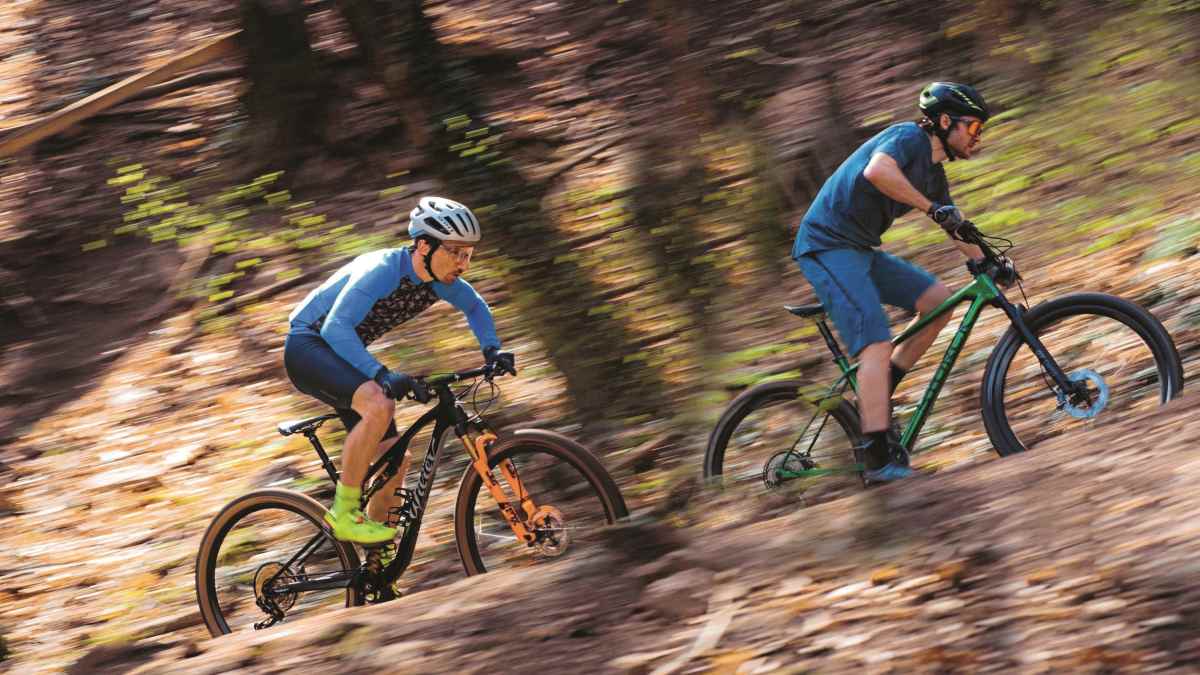
Four hours or more on the trails, on the climbs and on the descents - for many mountain bikers, this is the epitome of freedom, adventure and sporting challenge. But anyone who has been on the road for that long soon realises that without the right amount of energy, even the most beautiful tour can become torture.
A drop in performance, concentration problems or cramps are often the result of an incorrect catering strategy. This is exactly what can be avoided with the right planning. On long mountain bike tours, it is not only fitness but also the right nutrition that determines success or frustration.
Only those who continuously supply their body with fluids, electrolytes and carbohydrates will remain efficient - and can enjoy the tour right up to the last metre. Because one thing is clear: the best ride doesn't start on the trail, but with the right food and drink.
Energy requirements for cycling: what the body needs
On a tour lasting several hours, your body is constantly working in the aerobic zone - with occasional intense climbs. Depending on the intensity and your body weight, you will burn between 400 and 800 calories per hour, or even more in extreme cases.

This energy must be replenished at least in part during the ride, as the body's own glycogen stores are limited and run out after around 90 to 120 minutes, depending on your training status and condition.
The most important source of energy for cyclists: carbohydrates. They are quickly available to the body and are crucial for constant performance.
If you only eat when you're hungry, you're usually already too late. Energy intake should be regular and early. Rule of thumb for an averagely trained cyclist: 30 to 60 grams of carbohydrates per hour. This corresponds to, for example
- a banana
- an energy bar
- a small sandwich
- a gel
It's all in the mix: A combination of quickly available carbohydrates (e.g. gels, dried fruit) and snacks that keep you satiated for longer (e.g. bars, bread) ensures a steady supply of energy.
Professional marathon cyclists aim for an intake of 90 to 120 grams of carbohydrates per hour in order to be able to perform consistently over long distances. An ordinary cyclist can only process this amount with difficulty without targeted training and risks digestive problems. Timing is also crucial to ensure that the energy is available at the right moment:
- Before the tour: fill up your carbohydrate stores (e.g. oatmeal, bread, fruit)
- During the tour: add small amounts every 20-30 minutes
- After the tour: support regeneration with carbohydrates and proteins
Drinking: the basis of every endurance performance
Hydration is the key factor on long tours. Even a small fluid loss of two per cent of body weight can significantly reduce performance. Recommendation:
- 0.5 to 0.75 litres per hour, depending on temperature and intensity
- Correspondingly more in hot weather
But water alone is often not enough. The body loses important electrolytes - especially sodium - through sweat. Isotonic drinks or corresponding additives for the drinking bottle are therefore ideal: they not only provide fluid, but also electrolytes and readily available carbohydrates. This optimises energy intake and prevents cramps.
Drinks vs. solid food: the right balance
It is not always easy to consume solid food, especially on challenging trails. This is where drinks come into play: liquid carbohydrates are particularly easy to digest and quickly available. The best strategy is a combination of both. If you drink regularly and also plan small snacks, you will remain consistently efficient.
Advantages of energy drinks:
- Fast recording
- No chewing breaks necessary
- combine liquid and energy
Advantages of solid food:
- Longer feeling of satiety
- Varied flavour
- More stable blood sugar levels
Conclusion
I have already experienced the dreaded hunger pangs first hand on long tours. Clear signs are drops in performance and low moods. Bikers should therefore listen carefully to their bodies, always keep an eye on their energy requirements and take care of them in advance. The appropriate strategy can be practised with a little diligence. - Jan Timmermann, BIKE editor

Jan Timmermann
Editor