


Two hangers, endless possibilities
Palms on the floor, ready – technically, anyone can do a handstand or a push-up. But attractive equipment inspires people. The Antworks parallettes are a perfect example: two bars made from birch plywood and untreated ash, manufactured in Austria. No cheap plastic from a discount store for under ten euros – but craftsmanship you can really feel. And that you’ll want to touch.
Small, but twice as good
The ingenuity lies in the details: the parallettes can be used in two positions. When stood upright, they are 230 mm high – ideal for L-sits, dips and dynamic exercises. When laid on their sides, they reduce to 70 mm – perfect for push-ups with maximum control or handstand training. One piece of equipment, two heights, a dozen exercises. The 40 mm bar diameter sits comfortably in the hand, whilst the 450 mm width provides space for clean technique.
Something worth bearing in mind: on a smooth surface, the untreated wood can be slippery. It’s not a deal-breaker – but it doesn’t hurt to put a yoga mat underneath it.
Why the handstand is the most honest exercise
I’ve been using my parallettes every day for months now – mostly for handstand training. The handstand is rightly regarded as the king of calisthenics exercises: it engages the whole body from fingertips to toes, trains the central nervous system’s balance mechanisms and mercilessly exposes any muscular weaknesses. Not a single muscle can slack off. Then there’s the mental aspect: head down, maintain your centre of gravity, stay focused. The brain learns along with the body.
What’s more, the parallettes take a lot of the strain off the wrists – the neutral grip position reduces the pressure that often becomes painful during a classic floor handstand.
Calisthenics: Beautiful. Strong. Greek.
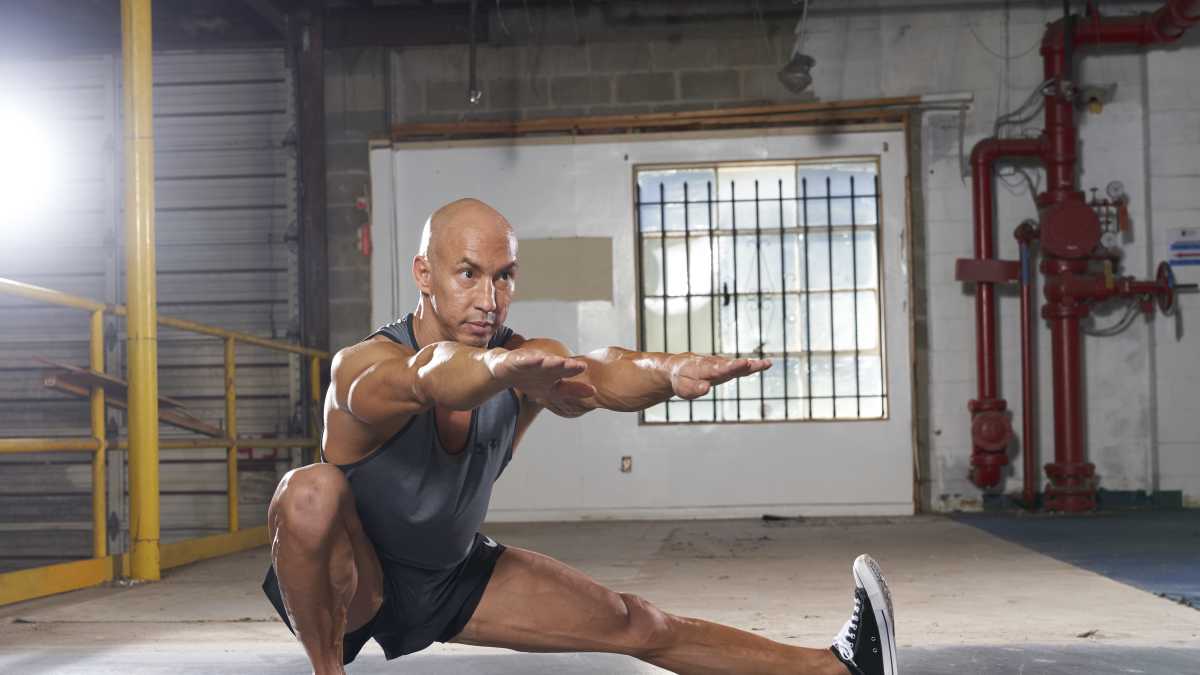
The word comes from Greek: kalos (lovely) and sthenos (Strength). The concept predates any gym. You train using your own body weight – on poles, parallel bars, the floor or simply by the coffee machine. Ten push-ups here, a quick handstand in the office corridor there: micro-workouts, spread throughout the day, add up. The result isn’t just a set of overblown ‘disco muscles’ – but functional strength that actually gets things done. Fitness author Mark Lauren sums it up: “Be your own gym!”
The system behind it
Calisthenics requires little but offers a lot. Everyone knows the basic exercises – push-ups, pull-ups, squats, dips. Those who take it further work towards moves that look like magic: muscle-ups, front levers, human flags. Always using your own body as resistance, always as a compound exercise involving entire muscle chains.
My verdict on Antworks’ wooden hangers
The Antworks parallel bars are a great piece of kit for push-ups, L-sits and handstands. They’re not cheap, but they’re as beautiful as a little work of art, functional and sustainable. #noChineseplasticrubbish. Price: €109. That justifies the extra cost compared to the discount store versions. Footnote: These things are bigger than you’d think – they’re not just small handles that fit in a shoebox – just saying!

Dimitri Lehner
Editor
