Seven years of planning, two countries, three mayors and countless rounds of planning permission: the Borderless Trails project on the German-Czech border is shaping up to be one of the most unusual trail projects in Europe. Markus Weinberg was there for the partial opening on 12 June.
Ambitious. Long-winded. Successful. That could sum up the initial verdict from the creators of Borderless Trails. On the edge of the Elbe Sandstone Mountains, Germany’s first cross-border trail park opened – at least in part – at the weekend.
Of the planned trail network, which will cover more than 30 kilometres and comprise a total of 15 routes, three trails have now been completed and opened to the public. The remaining trails are due to follow in time for the official grand opening in spring 2027.
Just as the opening gets underway, it starts pouring
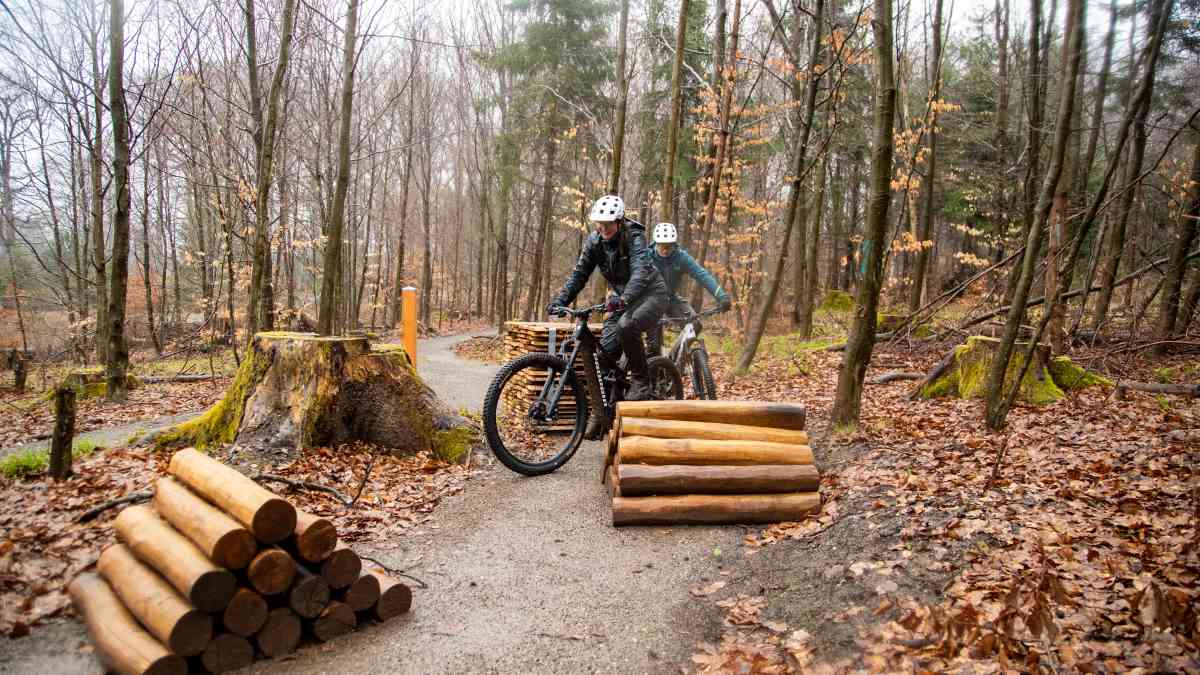
After the official welcome speeches, everyone sets off on their bikes despite the weather. Bikes are available to hire, and even the representatives from the State Forestry Commission have brought their work bikes along. Led by project planner Alexander Arpaci, the group sets off on an initial test ride around the SoliVital.

It’s actually exactly what trail operators want to avoid: riding on newly built trails in persistent rain. But on this particular day, it’s less about perfect conditions and more about getting a first impression.
The decision to make an exception is made in no time – and our curiosity about the new trail network outweighs any weather forecast. The ride on the German side doesn’t last long, though. Construction has only been underway there for a few weeks, so the future trails remain closed for the time being. The group therefore sets off along a feeder path towards the Czech border.
Just a few minutes later, the participants are on the first three completed trails, which have already been opened to the public. What follows is a taste of what the Borderless Trails are set to offer in the future: cross-border mountain biking without any major detours.
Between rides, Bohemian beer, bratwurst and the relaxed atmosphere among the guests ensure that the constant rain is quickly forgotten. Instead of the weather, the talk turns to route selection, trail building and the next stages of development – exactly as the project’s initiators had hoped.
The project is backed by the towns of Sebnitz and Neustadt in Saxony, and the Czech town of Dolní Poustevna. It took more than seven years of planning, coordination and approval procedures before the first few kilometres were finally opened to traffic.
"We are definitely not a bike park," emphasised Sebnitz’s mayor, Ronald Kretzschmar, at the opening.
Instead of ski lifts and short runs, the organisers are focusing on a network of trails that blend in with the natural surroundings, catering to a variety of groups. The trails are signposted with blue, red and black difficulty ratings and are designed to appeal to both families and keen mountain bikers.
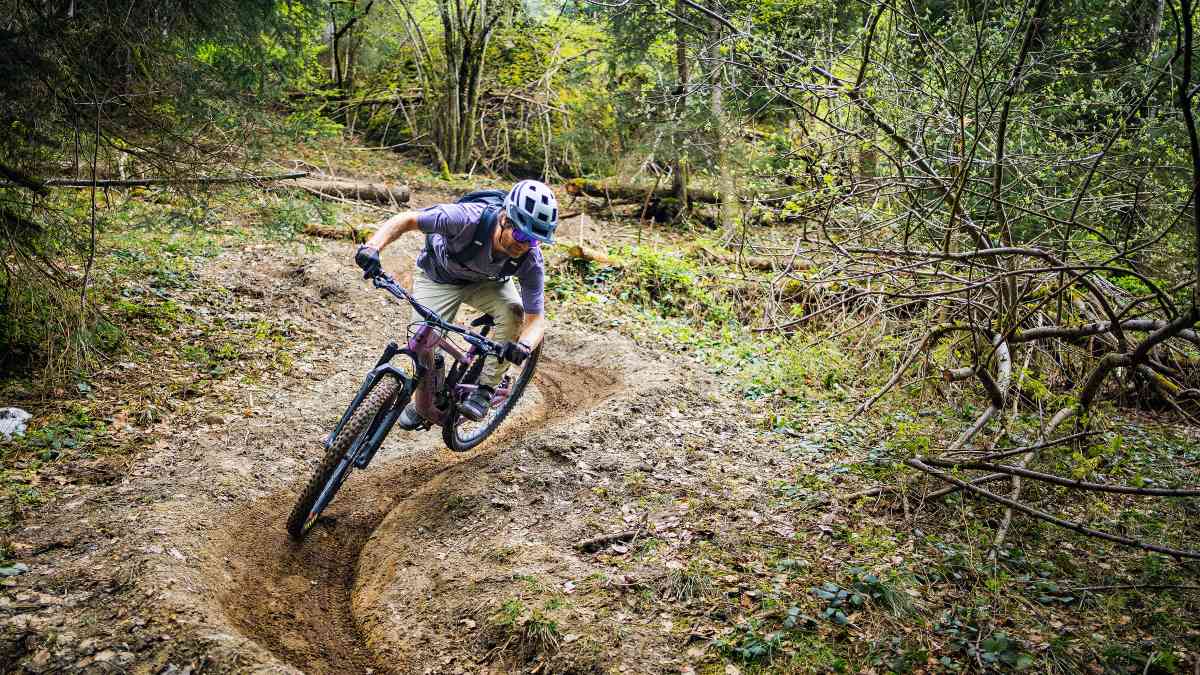
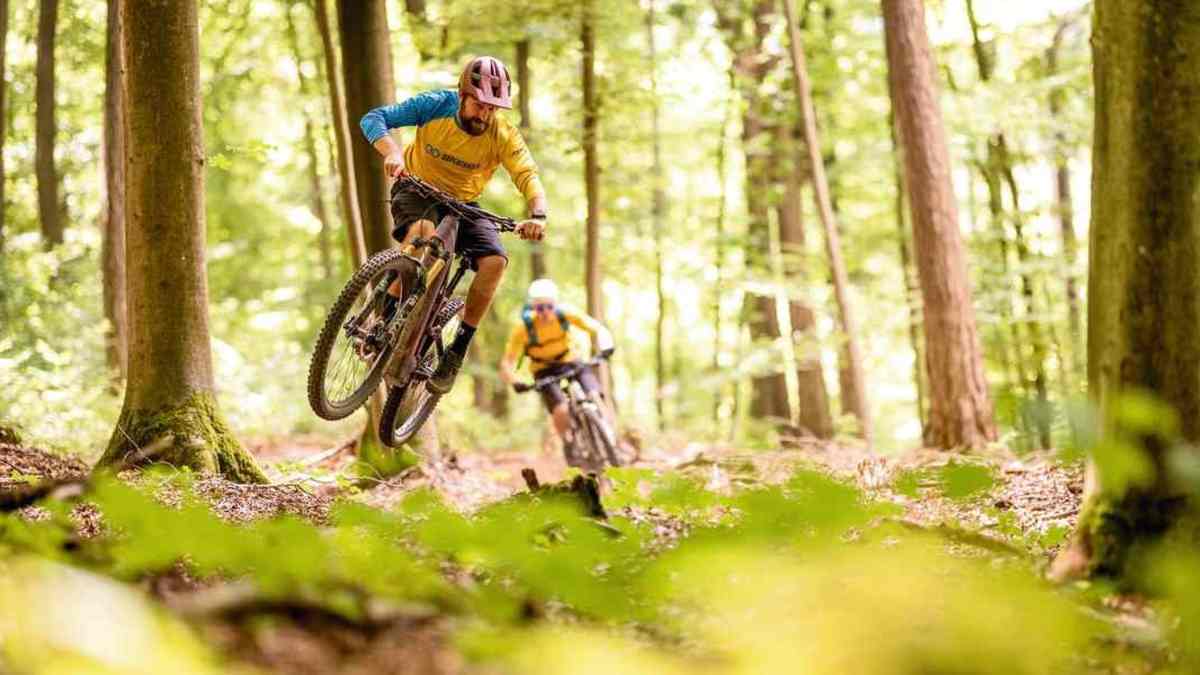
First impressions of the ride are positive. The trails, which are up to three kilometres long, wind their way down from Gerstenberg into the valley, covering a vertical drop of around 150 metres. Flowing bends, skilfully laid-out banked turns and a harmonious rhythm characterise the riding experience. The challenge arises less from technical sections than from the speed.
Even beginners can safely tackle the blue runs, whilst experienced skiers will find plenty of opportunities to pick up speed – and more challenging runs are currently being developed.
What is particularly noteworthy, however, is not just the trail construction itself, but the story behind it. Above all, the approval processes on both the German and Czech sides required a great deal of patience from those involved. Environmental regulations, land ownership issues and coordination between several local authorities made the scheme one of the most complex mountain bike projects in the region.
Expectations are correspondingly high. The Borderless Trails are intended not only to create a new leisure activity, but also to boost tourism in the border region in the long term. In future, mountain bikers will be able to ride on both sides of the border, making use of local restaurants and accommodation providers and thereby generating additional economic value for the region.
The German trails should also be ready by autumn
With the opening of the first three trails, the most visible part of a project that for a long time consisted mainly of plans, maps and planning documents has now been unveiled. Whether the Borderless Trails will indeed become a flagship tourist attraction in Saxon-Bohemian Switzerland remains to be seen in the coming years.
The opening event certainly leaves you wanting more. But if you want to enjoy the full riding experience, you’ll have to wait a little longer: “by autumn”, promises the mayor of Sebnitz, the trails on the German side should also be up and running.
Information: borderless-trails.bike