


The Alps without the pain: Three dream routes for pleasure cyclists
Barbara Merz-Weigandt
· 01.06.2026


From the green foothills of the Alps to the Mediterranean Adriatic, from Bavarian beer gardens to Venetian canals: crossing the Alps by bike is no longer an extreme sport. Cleverly planned routes use old railway lines, follow river valleys and choose the lowest passes. This makes the alpine adventure an unforgettable experience for families and occasional cyclists too.
The royal route: Ciclovia Alpe-Adria
With good reason, the Ciclovia Alpe-Adria is considered the most beautiful easy Alpine crossing in Europe. Over 410 kilometres, it connects Salzburg with the Italian coastal town of Grado on the Adriatic. What makes it special: The highest point is at the Naßfeld Pass at just 530 metres - and even this is reached via gentle climbs.
The route first leads through Salzburger Land, past turquoise-coloured lakes and through the wild and romantic Gastein Valley. The highlight: between Böckstein and Mallnitz, cyclists cross the main Alpine ridge without breaking a sweat - in a motorail train through the 8.5 kilometre-long Tauern Tunnel.
South of the Alps, Carinthia awaits with its famous bathing lakes before the route leads to Italy. The last 50 kilometres on the former Alpe-Adria-Trail railway line are particularly attractive: car-free, almost flat, through 150 tunnels and over spectacular viaducts to the Grado lagoon.
- For whom: Families, beginners, leisure cyclists
- Duration: 6-8 days
- Best time: May to September
- Info: www.alpe-adria-radweg.com
The cultural route: Munich-Venezia
If you want to combine an Alpine panorama with Italian flair, choose the Munich-Venezia cycle route. The route, which is almost 560 kilometres long, connects the Bavarian capital with the lagoon city and crosses the Alps at the Brenner Pass (1370 metres).
Sounds challenging? But it's not: from Munich, the route follows the Isar valley steadily but moderately uphill. The actual Brenner ascent from Innsbruck can be easily bridged by train - or you can cycle the well-built, 30-kilometre climb at a leisurely pace.
The reward follows south of the Brenner Pass: an enjoyable descent through the Eisack Valley to Bolzano, continuing through Mediterranean vineyards and apple orchards to Trento. The last section leads through the picturesque Valsugana, past the turquoise-blue Lake Caldonazzo and finally across the Venetian plain to St Mark's Square.
In terms of culture, this route is hard to beat: medieval towns such as Mittenwald and Sterzing, the South Tyrolean Wine Route, frescoes by Giotto in Padua and finally Venice with its unrivalled charm.
- For whom: Culture enthusiasts, sporty leisure cyclists
- Duration: 7-10 days
- Best time: April to October
- Info: www.muenchen-venezia.info
The river route: Inn cycle route from Maloja to Passau
The Inn Cycle Path is the most relaxed option for crossing the Alps - at least technically speaking. This is because the 520 kilometres from the source of the Inn at the Maloja Pass (1815 metres) to where it flows into the Danube near Passau are all downhill or flat.
The starting point at the Maloja Pass is easily reached by postbus from St. Moritz. From there, you cycle leisurely through the Upper Engadin, past the lake district around St. Moritz, through fashionable spa resorts and unspoilt mountain villages. The Inn is still a lively mountain stream here.
From the Austrian border, the river widens and the valleys widen. Innsbruck with its magnificent old town and the Golden Roof is the cultural highlight. The route continues through the Tyrolean lowlands to Bavaria, past baroque churches, through historic towns such as Wasserburg, until the three rivers finally converge in Passau.
The route is excellently signposted throughout and mostly uses tarmac, car-free paths along the river. E-bikes are not necessary - the landscape passes by at a leisurely pace and you have time to enjoy the alpine contrasts.
- For whom: All age groups, including untrained cyclists
- Duration: 7-9 days
- Best time: May to September
- Info: www.innradweg.com
Practical tips for an easy crossing of the Alps
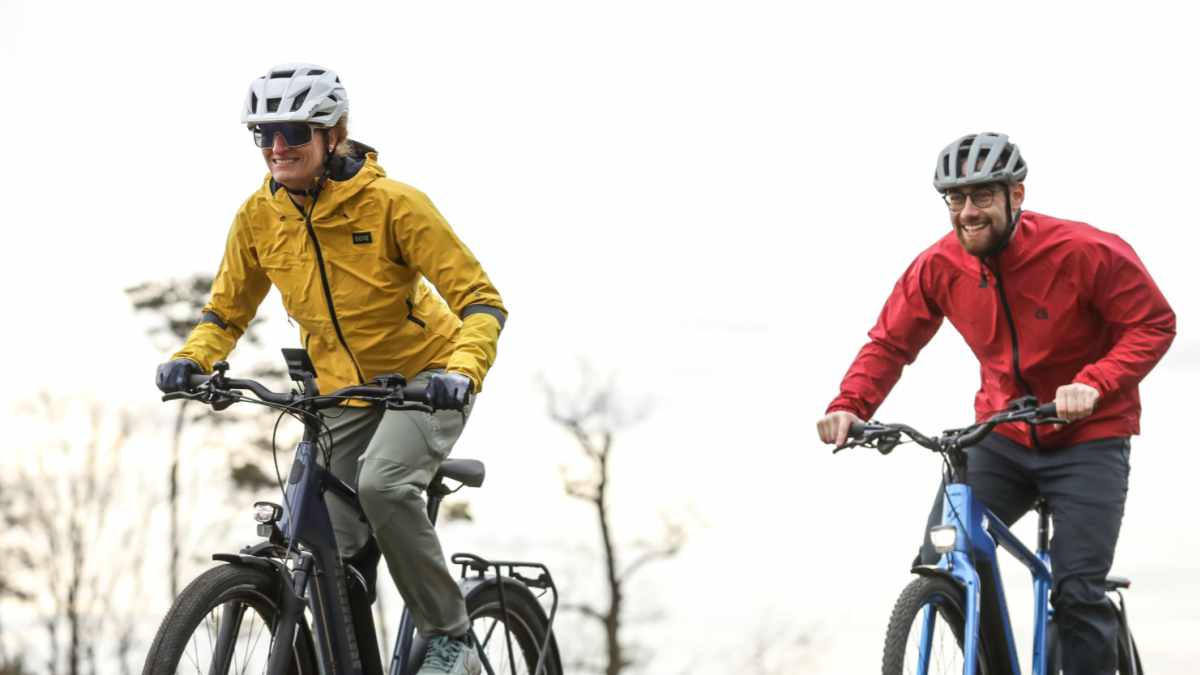
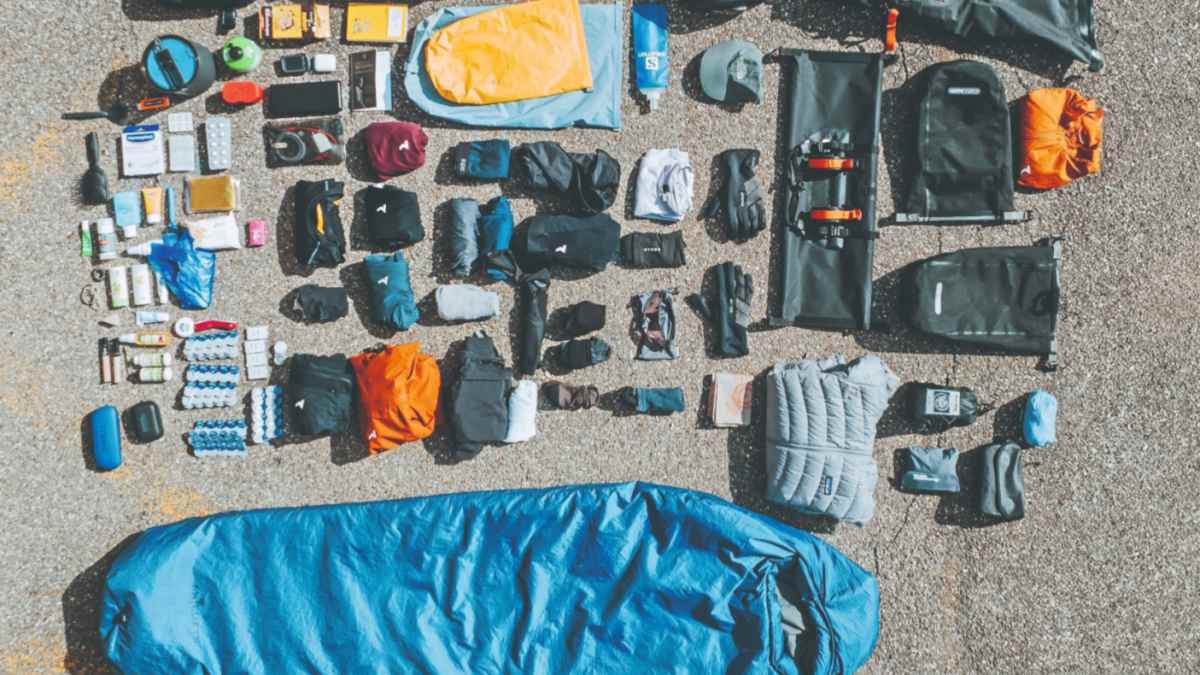
Equipment: A sturdy trekking bike or e-bike will suffice. Panniers are more comfortable than rucksacks. Important: Rain gear and layers to wear - the weather in the Alps can change quickly.
Luggage transport: Many tour operators offer luggage transport from hotel to hotel. This means you cycle with a light day rucksack and find your suitcases at your next accommodation in the evening.
Condition: For all three routes, 50-70 kilometres per day is enough. With e-bike support, even untrained cyclists can easily cover these distances.
Planning: Accommodation should be pre-booked in the high season. Most hotels along the routes are cyclist-friendly and offer secure storage rooms.
Conclusion: The Alps for everyone
The three routes presented here prove it: Crossing the Alps by bike is no longer an extreme sport, but an enjoyable experience for everyone. Whether along old railway lines, over gentle passes or simply downhill along the river - the mountains can be conquered in many ways. And the reward always awaits at the end: the indescribable feeling of having crossed the Alps under your own steam - from the cool north side to the warm, Mediterranean south.
Barbara Merz-Weigandt
Editor-in-Chief
