


International emergency sale launched: Rescue process for German Accell brands in full swing
Josh Welz
· 25.08.2026

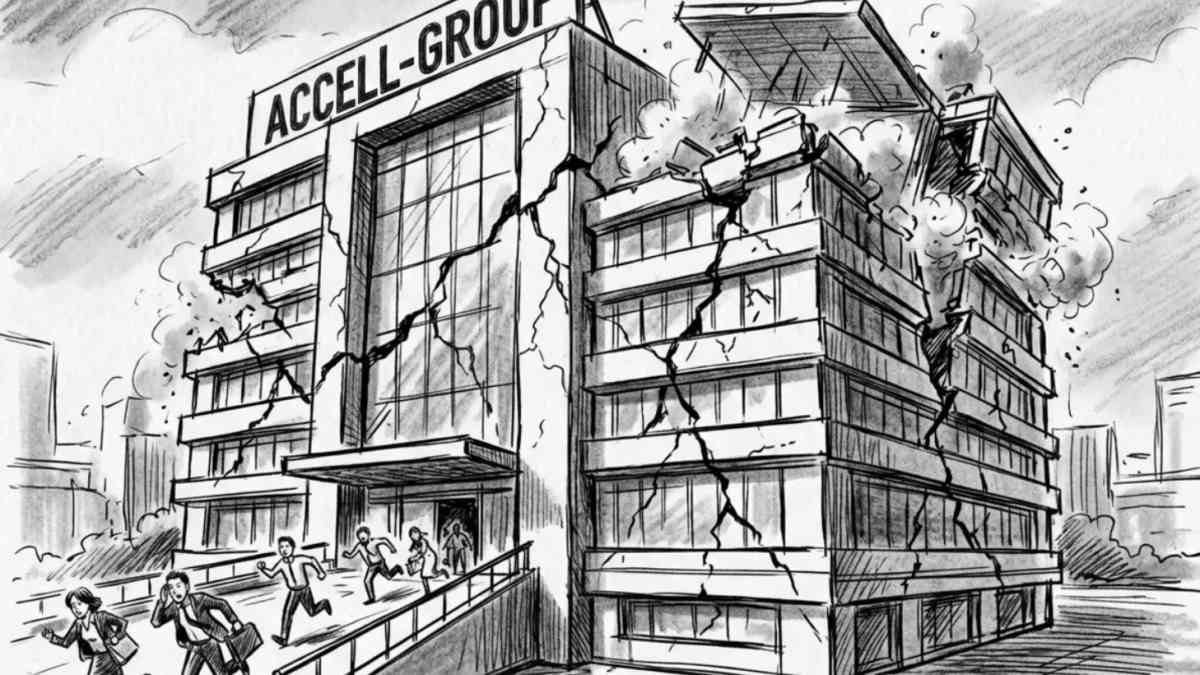
Following the collapse of the Dutch parent company, the insolvency administrators have begun the process of selling off the Accell Group worldwide. Whilst around 3,700 jobs are at risk, the German subsidiaries are fighting for their survival.
Our conclusions regarding the Accell Group’s insolvency
The Accell insolvency marks the culmination so far of the global cycling crisis. Whilst 3,700 jobs are under threat and Hungarian factories are already closing, the German brands Haibike, Ghost and Winora are attempting to ensure their survival through self-administered restructuring proceedings. The international tender process that has been launched will determine in the coming weeks whether these long-established brands will survive as a group or be broken up individually.
The cycling giant Accell Group is facing the ruins of its previous corporate structure. Whilst previous reporting has mainly focused on the legal situation for end customers, the latest developments paint a clear picture of the financial implications and the dramatic situation facing the workforce:
Emergency sale: international tender process gets underway
Thijs Hekman and Erik Schuurs, the insolvency practitioners appointed by the Amsterdam court, have launched the global sale process in collaboration with the appointed M&A adviser, FTI Consulting Nederland. The aim is to sell the business activities and assets of the Accell Group to investors – preferably as a whole or in larger country and brand packages. Only as a second option will individual assets, such as brand names, be sold off separately.

A heavy debt burden and jobs at risk
The extent of the plight is illustrated by specific figures:
- Billions in debt: Originally, the group was burdened by debts of around 1.4 billion euros, which were reduced to around 800 million euros through a series of restructuring measures, but, combined with rising interest rates and one-off costs – such as the loss running into tens of millions resulting from the Babboe cargo bike recall – became unsustainable.
- 3,700 jobs at risk worldwide: Worldwide, around 3,700 jobs across 15 countries are at risk at the Accell Group.
- Shock in Germany: At the German sites (including Schweinfurt and Sennfeld for Winora/Haibike, and Waldsassen for Ghost-Bikes), hundreds of employees are anxious about their future. Whilst wages and salaries are temporarily safeguarded by insolvency payments under the self-administration proceedings that have been initiated, the long-term future of the employees remains uncertain.
Self-administration in Germany: What the German Accell companies have to say
The German subsidiaries – Accell Germany GmbH, Winora-Staiger GmbH, Ghost-Bikes GmbH and E. Wiener Bike Parts GmbH – are attempting to restructure themselves through self-administered insolvency proceedings authorised by Schweinfurt Local Court. In official statements, the management of Ghost and Haibike emphasised that operations are continuing and that they are actively seeking investors to secure the long-term future of the business. At the same time, the parts wholesaler E. Wiener Bike Parts is endeavouring, subject to strict conditions, to resume deliveries to specialist retailers.
Chronology of events
- July 2026: The Federal Cartel Office has approved a planned takeover of the Accell Group by the Singapore-based Dutech Group. However, the deal does not go through in the following weeks.
- 5 August 2026: The holding company Accell Group B.V. has been granted provisional protection from creditors in the Netherlands. At the same time, its German subsidiaries (Accell Germany, Winora-Staiger, Ghost-Bikes, E. Wiener Bike Parts) have applied to the Schweinfurt Local Court for self-administration.
- 11 August 2026: The Amsterdam Magistrates’ Court has lifted the suspension of payments and declared six core Dutch subsidiaries of the holding company to be insolvent.
- 16 August 2026: It has emerged that centralised production at the Hungarian plant (Accell Hunland) has been completely halted and is being wound up. In addition, other overseas subsidiaries (including those in Switzerland) are filing for insolvency.
- 20 August 2026: Ghost and Haibike have issued statements on social media: operations under self-administration are continuing, and the brands are independently seeking solutions for their future and potential investors.
- 24 August 2026: The Dutch insolvency practitioners are officially launching the international M&A sale process for all of the Accell Group’s assets and brands.
Scenarios: What might happen next?
Scenario A: Takeover as a complete package (best-case scenario)
A major financial investor or a strategic player in the sector would take over the majority of the group. This would ensure the preservation of integrated structures (development, sales and parts wholesaling) and safeguard as many jobs as possible.
Scenario B: Break-up and piecemeal sale (likely scenario)
As many brands have different market values, a break-up is considered a realistic scenario: the profitable core (such as Haibike, Winora, Ghost or Lapierre) will be bought out by individual investors, whilst struggling brands and unprofitable sites will be wound up.
Scenario C: Purely strategic licence exploitation (worst-case scenario)
Buyers are merely acquiring the naming rights to these long-established brands, whilst completely dismantling their locations and wholesale structures. This would deal the heaviest blow to the dealer and spare parts infrastructure in Germany.

Josh Welz
Editor-in-Chief