


MTB Autumn Products: It’s getting chilly: Warm kit for chilly days on the trail
Laurin Lehner
· 25.09.2026

First things first: here’s the most important autumn tip. Don’t dress for the car park – dress for the first 15 minutes on your bike. You’ll warm up on the climb, but on the descent, the wind will immediately draw the heat out of your body again. If you mix and match your clothing flexibly, you’ll ride more comfortably and for longer.
The layering system: don’t bundle up, combine cleverly
In autumn, it’s not the thickest jacket that wins, but the outfit that can be adjusted as you go. The layering principle works on the trail too: wicking moisture away from the body, keeping the torso warm and keeping the wind out.
| Condition | Upper body | Legs | Essential |
| 12 to 18 degrees, dry | Functional shirt, long-sleeved jersey, wind vest | Shorts or light trousers | Thin gloves |
| 7 to 12 degrees, changeable | Base layer, long-sleeved top, waistcoat or windbreaker | Long trail trousers | Buff, glasses |
| 3 to 8 degrees, wet | Base layer, insulating layer, rain jacket | Water-repellent trousers | Warm gloves, waterproof shoes |
The centre provides warmth. A long-sleeved top, a thin fleece or a lightly insulated waistcoat are better suited to active cycling than a thick winter jacket. A waistcoat, in particular, is a great choice in autumn: it protects your torso whilst allowing plenty of freedom of movement in your arms.
Outdoors, wind protection is important. On dry, cool days, a light windcheater is often enough. In persistent rain, you’ll need a waterproof jacket with good ventilation. Important: even the best rain jacket is no substitute for sensible temperature management. On long climbs, open your zips before your body heat builds up.

Hands first: numb fingers cost you control
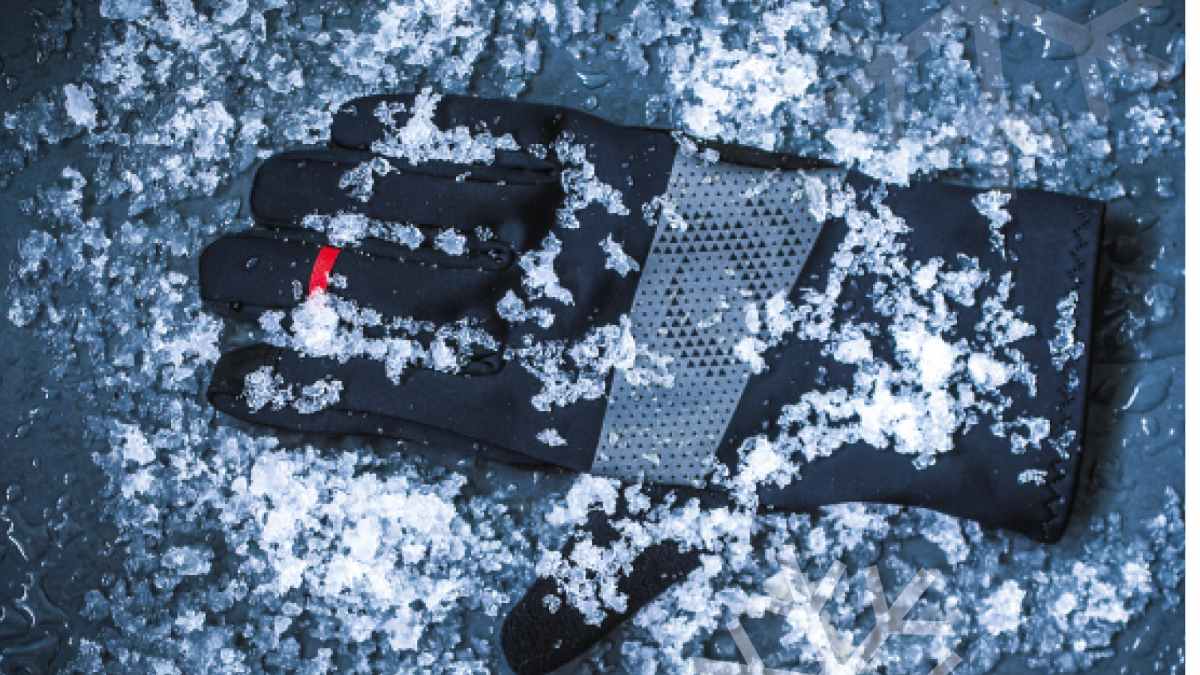
Cold hands are more than just uncomfortable when mountain biking. When your fingertips get cold, your sensitivity to the brake levers and gear shifters suffers. For typical autumn days, lightly insulated gloves The best choice: warm enough to protect against the wind, yet thin enough for precise braking manoeuvres.
Please note: If your gloves are too tight, you’ll feel the cold more quickly. Make sure you choose the right size.
Keep your feet dry: socks alone aren’t enough
Wet feet can quickly take the fun out of trail running. On mild days, slightly thicker technical or merino socks will do. If it gets wet and cold, water-repellent shoes, overshoes or at least a less breathable shoe design come into play.
Head, neck and eyes: it’s the small parts that make all the difference
A thin headband or a helmet cap Keeps your ears warm without affecting the fit of your helmet. A tubular scarf (Buff) protects your throat and neck, but can be quickly tucked away in your pocket when it gets warm.
Even more important are a good pair of glasses. Clear or lightly tinted lenses protect your eyes from the cold wind, spray and slush. Photochromic lenses are handy if your ride starts in the shade, takes you through open stretches and only ends at dusk.
Three bits of kit that’ll save your autumn cycling season
Clothes keep you warm. These three items ensure that your ride is still fun, even in muddy, wet conditions or when you finish work early.
1. Mudguard: Less mud on your face, less stress whilst cycling
A front mudguard won’t keep out every drop, but it significantly reduces the amount of spray from the front wheel. This protects your face, glasses and fork. A rear mudguard protects your back and trousers from the worst of the spray.
We recommend the following combination:
Unleashed MR02/M02 Set
- Set price: 75 euros >> available here
- Length (front/rear): 51/76 cm
- Weight (front/rear): 115/217 g


2. Lights: Always carry them on the way back
In autumn, an after-work cycle ride can turn into a ride in the twilight sooner than you might think. You’ll need lights on your bike when cycling on public roads. So make sure you pack a compact front and rear light, even if you’re setting off in daylight.
The following lights have proved their worth for us: the Sigma Aura 100 and the Blaze rear light. The (set) / 120 euros >> available here

3. Keeping a clear view: the right glasses
Especially in cold weather, the wind in your face can make your eyes water. You also have to contend with splashes of water and dirt.
The 100% S2 photochromic glasses have proved their worth. Price: 149 euros >> available here

The most common autumn mistakes
- Setting off when it’s too warm: If you’re already at the perfect temperature by the time you reach the car park, you’ll usually end up sweating too much on the first climb.
- Rely solely on waterproofing: Being completely sealed off can quickly make it too warm. Ventilation is almost just as important on a MTB.
- Don’t forget your hands and feet: They cool down first and then determine how much control you still have.
- Starting without lights: The tour doesn’t get any shorter in autumn, but it does get dark much earlier.
- Ignore the mud after the ride: Your chain, cassette and brakes will thank you if you give your bike a quick clean and a bit of maintenance after wet rides. You can find the right products for this here. How to clean your bike properly, and common mistakes.

Laurin Lehner
Editor