


In this article, we use so-called affiliate links. With every purchase through these links, we receive a commission from the merchant. All relevant referral links are marked with . Learn more.
Between shady forest sections, damp root passages and sunny summit moments, the conditions on a mountain bike in spring often change by the minute. One moment you're shivering as you fight your way through the cool valley floor, the next the steep uphill is driving the heat under your protectors.
With the right Essentials - from the modular Onion principle from mud protection to the right choice of tyres - you remain extremely flexible. Not only will you be safer on the trails, but you can also fully enjoy the flow of spring without being slowed down by capricious weather conditions.
1. onion principle for trails: baselayer, midlayer, shell
You sweat quickly on a mountain bike uphill, but freeze just as quickly downhill or on transfer sections. That's why the onion principle works here too - but with a focus on Breathability and Freedom of movement.
- Functional baselayer (short or long): A body-hugging base layer transports perspiration away from the body and reduces cooling on descents.
- Lightweight midlayer (e.g. thin longsleeve or thermal jersey): This is the right choice for cool mornings and longer breaks.
- Wind or Rain shell: A lightweight, water-repellent wind waistcoat is the ideal third layer in the transitional period. It packs down small and can be put on quickly. MTB-specific cuts (longer at the back, helmet-compatible hood, more robust shoulder sections) are ideal.
Therefore important: Off-road, the load and wind vary greatly. With 2-3 layers, you can react quickly without overheating in thick winter clothing. A rucksack or hip bag for stowing the individual layers is ideal.
2. weatherproof shorts or trousers plus knee option
Spring often means: wet ground, cold air, but already strong sunshine. Many people then prefer to ride with Shorts - but with "Plan B" for cold and splash water.
- MTB shorts with water-repellent material (or a light Trail Pants at cool temperatures)
- Knee rings or directly thin, pedalable knee protectors (see point 3)
Therefore important: Cold thighs/knees reduce comfort and "flow". At the same time, you don't want to be wearing thick winter trousers in warmer weather. Splash water from puddles or from the still-wet ground quickly leads to a damp seat area. This is where bike shorts should have water-repellent material.
3. knee protectors (light) as a spring gamechanger
In spring, trails are often slippery (damp roots, mud, loose leaves). Crashes don't just happen "in the bike park", but also in inconspicuous situations: the front wheel slips, your foot can't find a grip or the rear wheel skips.
- Lightweight, breathable knee protectors (sleeve style) for tours and trail laps
- For more aggressive lines: slightly more stable models with more side coverage and a higher level of protection
Therefore important: Lightweight knee pads give you more safety with minimal heat build-up - and you often ride more relaxed on wet surfaces because you have reserves in your head. As a rule, protectors with protection level 1 are completely sufficient because they are better ventilated and more comfortable to pedal in.
4. gloves with grip and moisture protection (and a thin backup pair)
Wet handles, cold fingers and changing temperatures: in spring, the Gloves A must - not only for keeping warm, but above all for full control on the handlebars.
- Long-fingered gloves with good grip (even in wet conditions)
- Optional: windproof back of the hand or slightly water-repellent material
- Backup pair (thin) in the rucksack if it gets warm later or the first pair is wet
Therefore important: Braking and shifting control is directly dependent on hand temperature and grip - and that is a safety factor on slippery trails.
5. keep your feet dry: waterproof socks or light overshoes
Spring means puddles, snow in the shade and splashing water from the front wheel. Cold toes quickly spoil the fun - and can shorten a tour unnecessarily.
- Waterproof socks (practical because they are not as complicated to put on as overshoes)
- or light overshoes (wind/splashproof), depending on the shoe system
- Plus: Spare socks in the car/on long tours in the rucksack
Therefore important: Warm feet make all the difference to the feeling of comfort throughout your body, to the way you feel when pedalling and to your concentration - especially on longer descents.
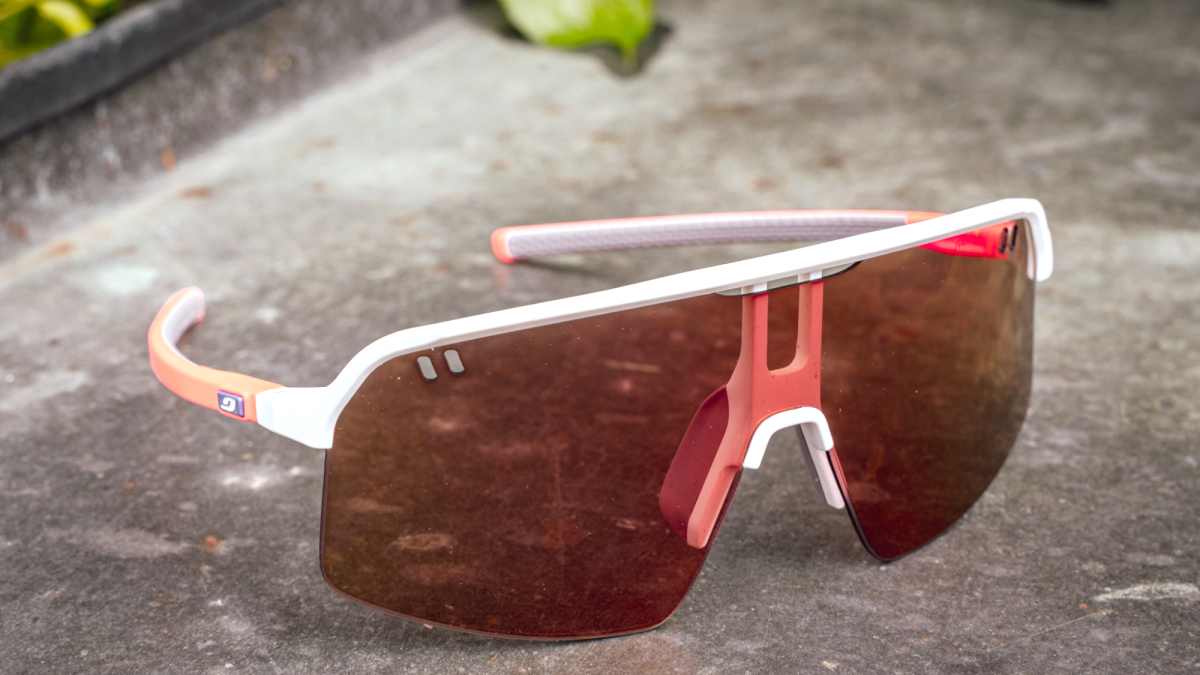
6. glasses with clear or photochromatic lenses
On forest trails, light and shade are constantly changing. Then there's spray, wind, pollen - and of course the low sun in the morning/evening.
- Photochromatic glasses (adapts to the prevailing lighting conditions)
- Alternative: clear glasses for dark forest + tinted interchangeable lenses for open passages (if you want to switch)
Therefore important: Good vision not only reduces reaction time, the goggles also protect against branches or stones and prevent watery eyes in cold air. We recommend self-tinting goggles with filter classes 0 to 3 because they clear up almost completely and still work in twilight.
7. tyre setup for spring: tread, compound, pressure (tubeless)
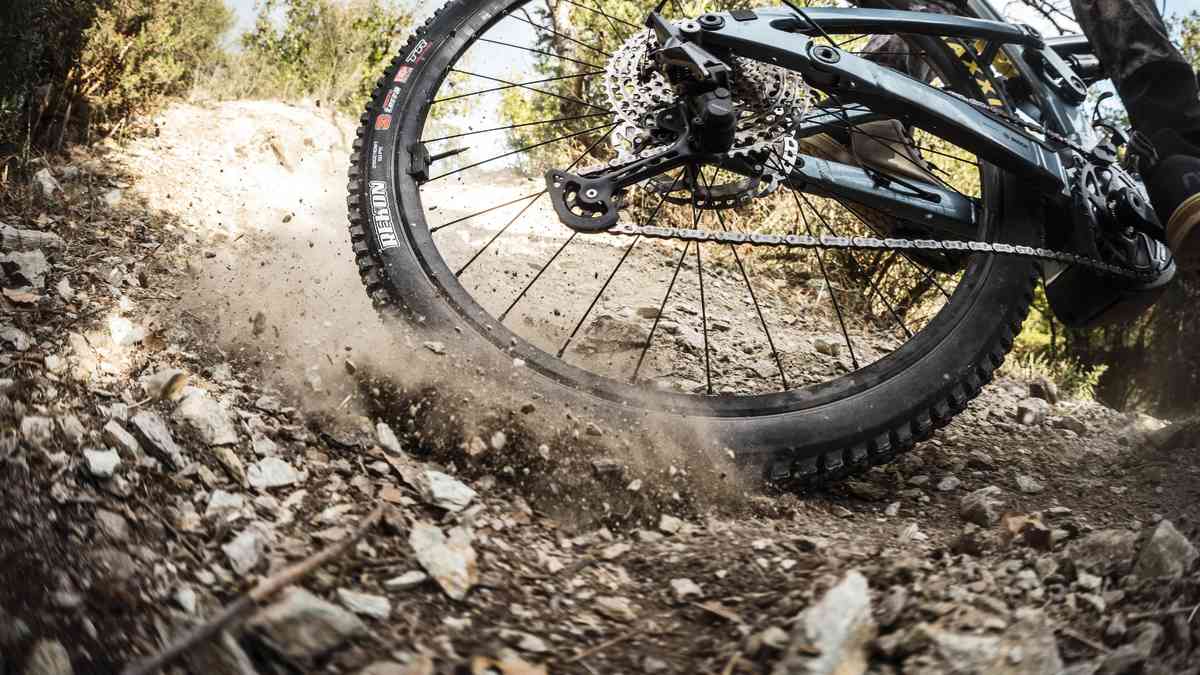
Wet trails are a real challenge for your tyres. A good spring move is to deliberately choose a "grippy" setup - even if it rolls slightly slower.
- Profile: More open tread for mud and damp soil; more aggressive at the front than at the rear
- Rubber compound: Softer compound provides grip on roots and stones
- Tubeless: allows lower pressure and reduces punctures
- Pressure as a rule of thumb: preferably a little less (without a spongy ride), especially at the front
Therefore important: Grip is the most important "performance currency" in spring. Tyres are often the biggest lever for control and safety. In our opinion, a combination of a grippy front tyre and a rear tyre that rolls more easily is the best choice.
8. mini mudguard and protection against splashes
Sounds banal, but it really does a lot: a small mudguard on the front wheel keeps the dirt out of your face and goggles - and also protects the seals of your suspension fork.
- Front mudguard (also as a short "fender")
- Optional: Frame protection film at neuralgic points (chain stay, down tube)
Therefore important: A mudguard improves visibility enormously, you will get significantly less dirt in your face and on top of that less material stress - especially in wet, sandy conditions.
9. setup check: brakes, dampers, chain (spring standard)
Wet and dirty tyres are the absolute wear turbo. A quick check before the season (and then regularly) pays off:
- Brake pads Check (material, residual thickness, possibly metallic vs. organic depending on use)
- Discs Check for wear and distortion
- Chassis: Readjust air pressure/sag (temperatures change pressure), adjust rebound if necessary
- Clean the chain and lubricate appropriately (Wet Lube in wet conditions, but do not "over-oil")
Therefore important: In spring, you feel "bad" brakes and incorrectly adjusted suspension particularly strongly because the surface is less forgiving of mistakes. You should thoroughly check your mountain bike after a long period of disuse anyway.
10. trail essentials in your rucksack: puncture repair, energy, warmth
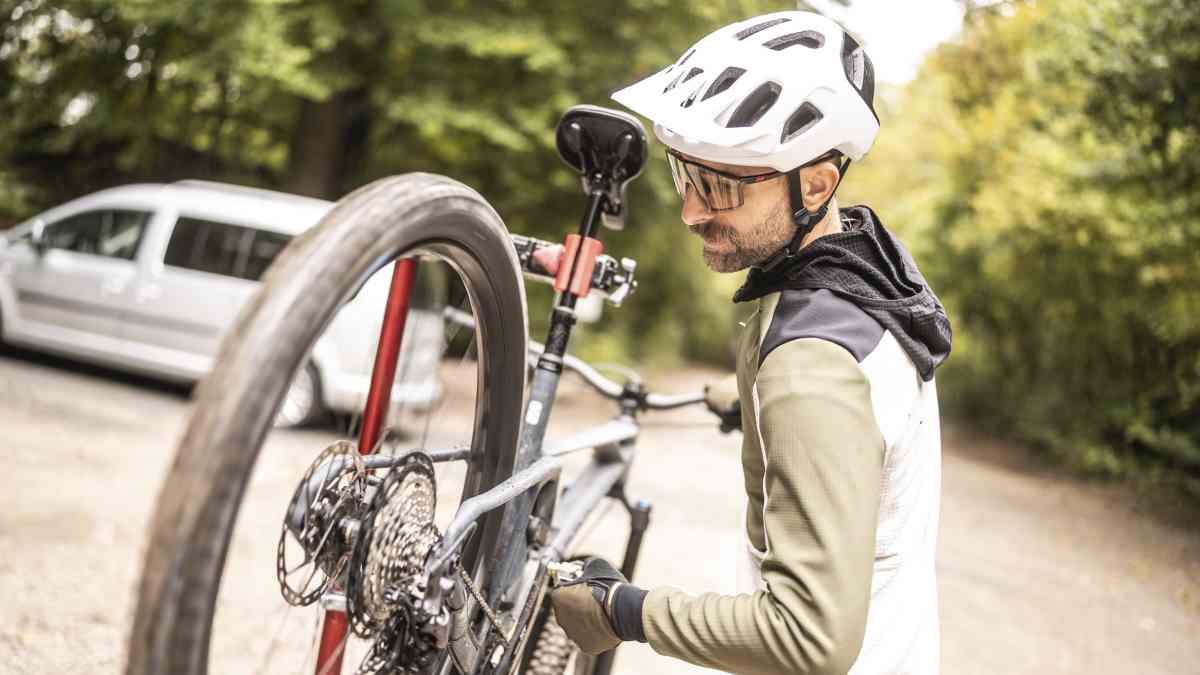
In spring, "I'm going out for a short ride" can quickly turn into a longer ride than planned - perhaps because you've broken down due to the difficult conditions, or because you've extended your ride after all because the weather was suddenly much nicer than forecast. You shouldn't forget these essentials in spring:
- Tubeless plugs / sealing milk backup, Mini pump (or CO₂ cartridge), Multitool with chain riveter
- Bar/gel plus an emergency snack (cold = higher energy requirement)
- Light emergency shift (thin waistcoat or windproof jacket)
- Mobile phone + small first aid kit if necessary (depending on the area/all-road access)
Therefore important: Spring conditions increase the risk of punctures and the risk of overcooling. A small backup set-up makes you independent and you can extend your tour as you wish without risking hunger pangs or being stranded in the event of a puncture.

Stefan Frey
Editor
