


Pushing is a thing of the past. With the powerful engines of modern enduro bikes, you can be your own shuttle and pedal up even the steepest ramps before plunging into technical downhill chaos. However, this requires a helmet that offers more safety than a classic half-shell. Full-face helmets offer exactly this kind of protection, but can sometimes leave you breathless on the uphill.
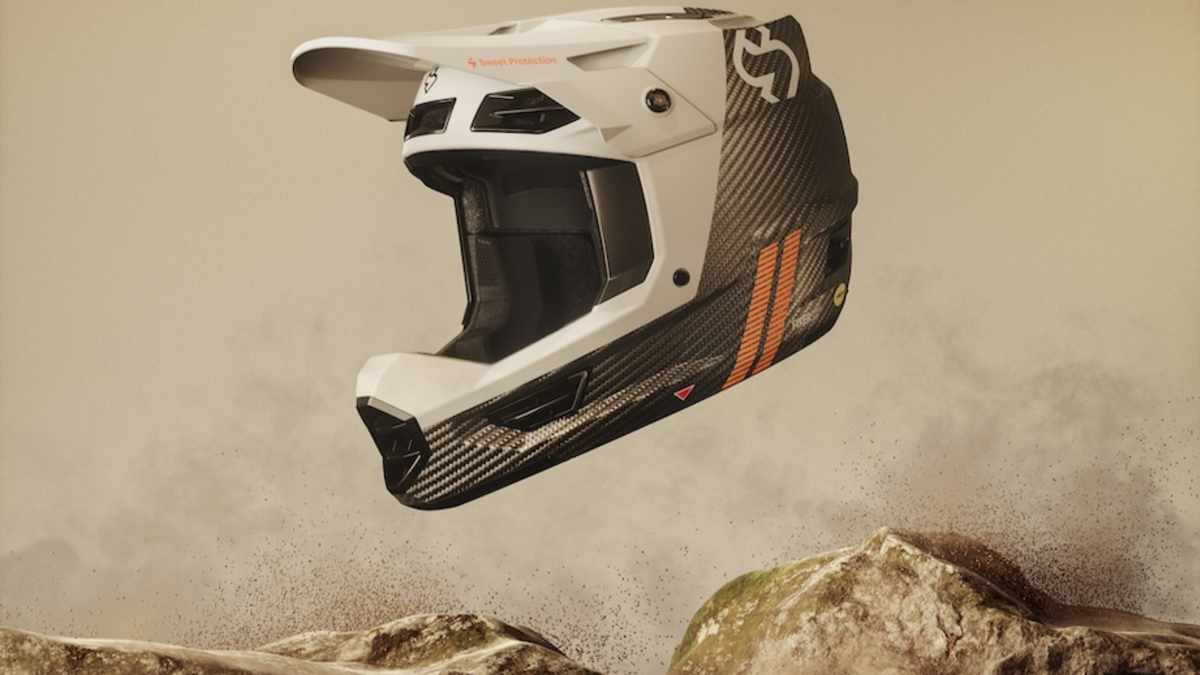
This is where Bell comes in. The new Air Series is made for breathing. The flagship model, the Bell Full-Air Mips, is a genuine downhill-certified full-face helmet that is designed to feel more like a light breeze than a thick breathing mask when pedalling. There is even more ventilation with the 3QTR-Air Mips jet helmet, which encloses the head like a full face, but does without a chin bar.
Bell Full-Air & 3QTR-Air: The facts
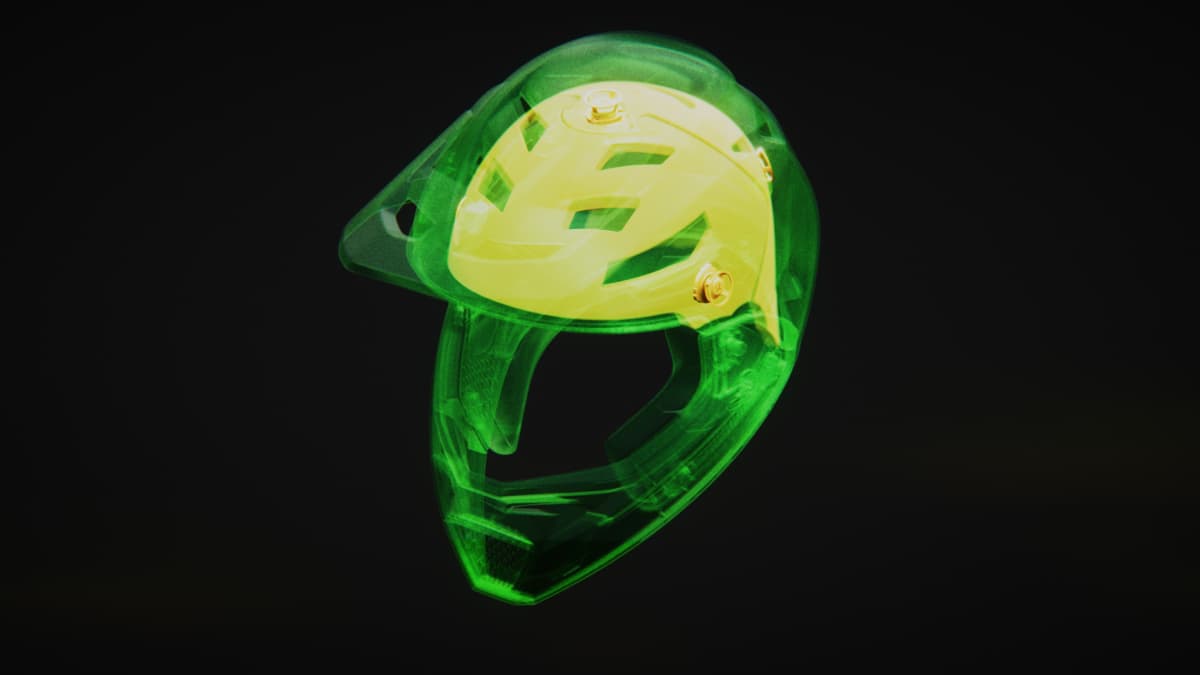
At the heart of both models is the Mips Evolve System, which minimises rotational forces in the event of a fall. While the Full-Air Mips offers a full package of protection with a fixed chin bar and a weight of just 760 grams (size M), the 3QTR-Air Mips takes an interesting middle course. As a three-quarter helmet, it dispenses with the chin bar, but pulls the shell far over the neck and jaw area - ideal for all those for whom a normal half shell is not enough, but a full face is "too much".

Particularly clever: a quick-release mount for action cams is concealed under the visor. This allows you to capture your adventures on the memory chip without having to deface the helmet with adhesive pads. Thanks to the Fidlock magnetic fastener, the helmet can also be operated with one hand - a feature that has literally revolutionised helmet fasteners.
Light and shadow: The check
There are two sides to every concept. Here is our assessment of the new Bell Air Series:
Advantages:
- Ventilation miracle: The open structure and the modular padding system (on the Full-Air) should ensure significantly increased airflow, which is otherwise only known from half-shell helmets.
- Weight: 760 g for a fully certified DH helmet is a statement to the competition.
- Versatility: Thanks to NTA certification (e-bike standard), the helmet is also on the safe side legally and in terms of safety for high-speed e-bikers.
- Handling: Fidlock fastening and the adjustable visor for goggles are state-of-the-art.
Disadvantages:
- Price: At just under 280 euros for the top model, the entry into the Air class is no bargain - but the Bell is still somewhat below the price level of its direct competitors.
- No removable chin guard: In contrast to Bell's "Super Air" model, the chin guard on the Full Air is fixed. So you have to decide before you buy: Full-face or three-quarter.
The most important features at a glance:
- Security: Mips Evolve System & Dual Density EPS Fusion for optimum energy management.
- Certifications: Both models are e-bike certified (NTA 8776); the Full-Air also fulfils the ASTM Downhill standard.
- Comfort: Removable, antimicrobial pads and Fidlock magnetic fastener.
- Features: Integrated action cam mount (breakaway system) and 2-position visor for goggle parking.
- Weight: Full-Air (760 g / M) / 3QTR-Air (650 g / M).
- Price: 279.99 euros (Full-Air) / 229.99 euros (3QTR-Air).
Market analysis: What are the others doing?
Bell is not alone in the lightweight full-face helmet segment. Anyone looking for alternatives should take a closer look at these models:
- Specialised Gambit: At approx. 640 g, even lighter than the Bell, but without the modular cheek pads and with a less "massive" look. Price: 289 euros
- Fox Proframe RS: The top dog in the enduro sector. It also offers Mips Integra and a very aggressive design, weighs approx. 820 grams, but is priced even higher than the Bell. Price: 369.99 euros
- Troy Lee Designs Stage (here in the test): The classic among lightweight full-face helmets. Extremely well ventilated, but relies on a classic double-D fastener instead of Fidlock. It weighs approx. 690 grams in size M. Price: 295 euros
- Giro Coalition Spherical: Utilises Spherical technology (Powered by Mips) and offers a very clean design with a weight of approx. 810 grams in size M. Price: 359,99 Euro

Stefan Frey
Editor