


In this article, we use so-called affiliate links. With every purchase through these links, we receive a commission from the merchant. All relevant referral links are marked with . Learn more.
What is the most useful item of clothing in a mountain biker's wardrobe? Anyone who spends a lot of time in the mountains will answer: the gilet. It is the underestimated all-rounder for the transition period. With the new ThermaFlow 5.0, protector specialist Leatt is now launching a gilet on the market that aims to master the balancing act between insulation and maximum ventilation.
Everyone knows the dilemma: uphill you're boiling in your own juices, downhill the ice-cold wind blows through your sweaty jersey. A heavy jacket is often too much of a good thing, a pure windshirt not enough. This is where the waistcoat comes into its own. It protects the torso - where our vital organs are located - from cooling down, while the arms remain free for the necessary thermoregulation.
High-tech for the centre of the body
The Leatt ThermaFlow 5.0 does not rely on a classic membrane (laminate), which often looks like a plastic bag. Instead, Leatt uses a special Double fabric. The outside blocks out wind and light rain, while the inside provides warmth with a thin waffle fleece with interwoven graphene threads. To prevent heat build-up on steep uphill sections, the fleece has ventilation channels on the inside.
Sustainability meets functionality
The waistcoat is not only bluesign®-certifiedwhich guarantees the highest standards in textile production, but also completely dispenses with PFAS chemicals that are harmful to health and the environment during impregnation. Even the packaging is plastic-free - a trend that we are seeing more and more in the bike industry and absolutely welcome.

Whether as an outer layer over a long-sleeved jersey or as an insulating mid-layer under a hard shell when it gets really uncomfortable: The ThermaFlow 5.0 is designed for maximum freedom of movement on the trail thanks to its 4-way stretch and adjustable waistband.
Leatt ThermaFlow 5.0 - Info & Price
- Two-phase protection: Windproof outer shell meets ventilated fleece lining.
- No heat build-up: The absence of laminates maximises breathability (airflow).
- Weather protection: PFAS-free DWR coating and taped seams to protect against dirt and moisture.
- Storage space: Three spacious pockets with high-quality YKK zips.
- Sustainable: bluesign® certified materials and plastic-free packaging.
- Visibility: Reflective prints for safety at dusk.
- SizesXS - 3XL
- Weight270 grams (size M)
- Price: 139 Euro >> available here
Equipment with a practical feature
In addition to two slash pockets to bring your hands back up to operating temperature during a break, the ThermaFlow 5.0 has a chest pocket for your smartphone.
However, a ventilation bar with a press stud is particularly practical, holding the waistcoat together when the zip is open and preventing annoying flapping in the wind.
Leatt ThermaFlow 5.0 in the test
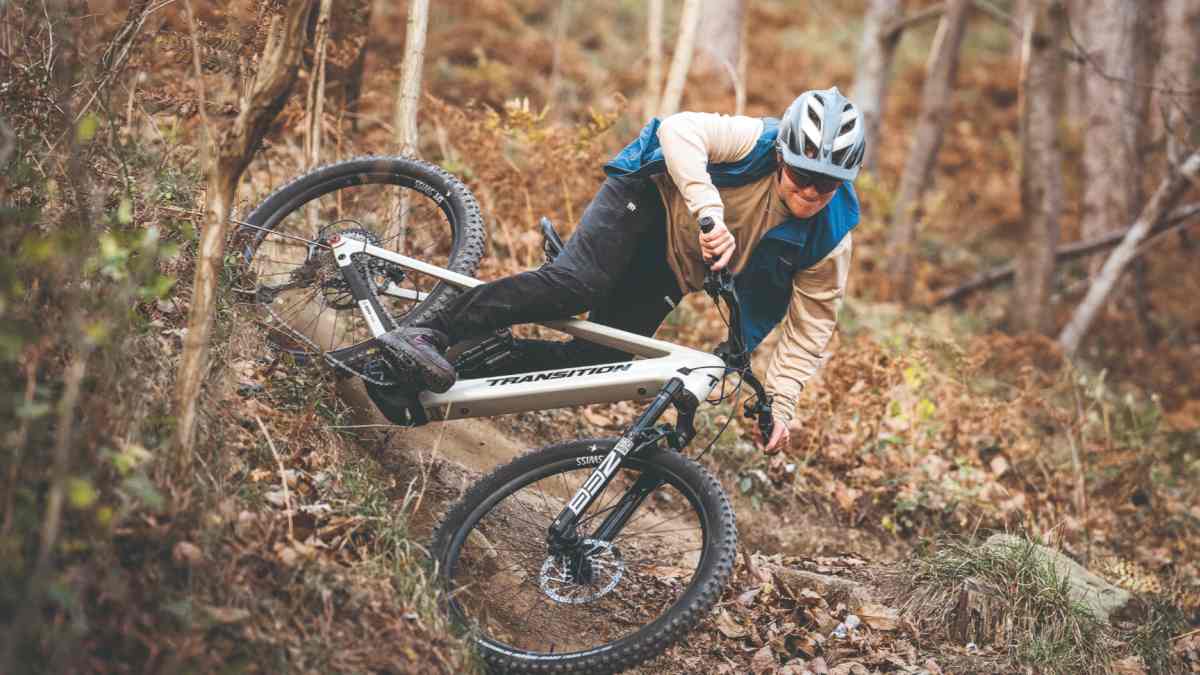
The ThermaFlow has a generous cut and is designed more for use on trail or enduro bikes. Size M is suitable for my height of 1.88 metres in terms of length, but the cut is rather wide. The fabric flutters, especially on the stomach and chest. The collar is cut comfortably high so that hardly any wind can creep into the waistcoat.
The stretchy material is comfortable to wear, the fleece lining warms you up on a cool morning, but doesn't get too hot on longer climbs either. This is partly due to the ventilation bar, which I really used a lot, and partly to the material itself - the waistcoat is not windproof, but merely wind-repellent.
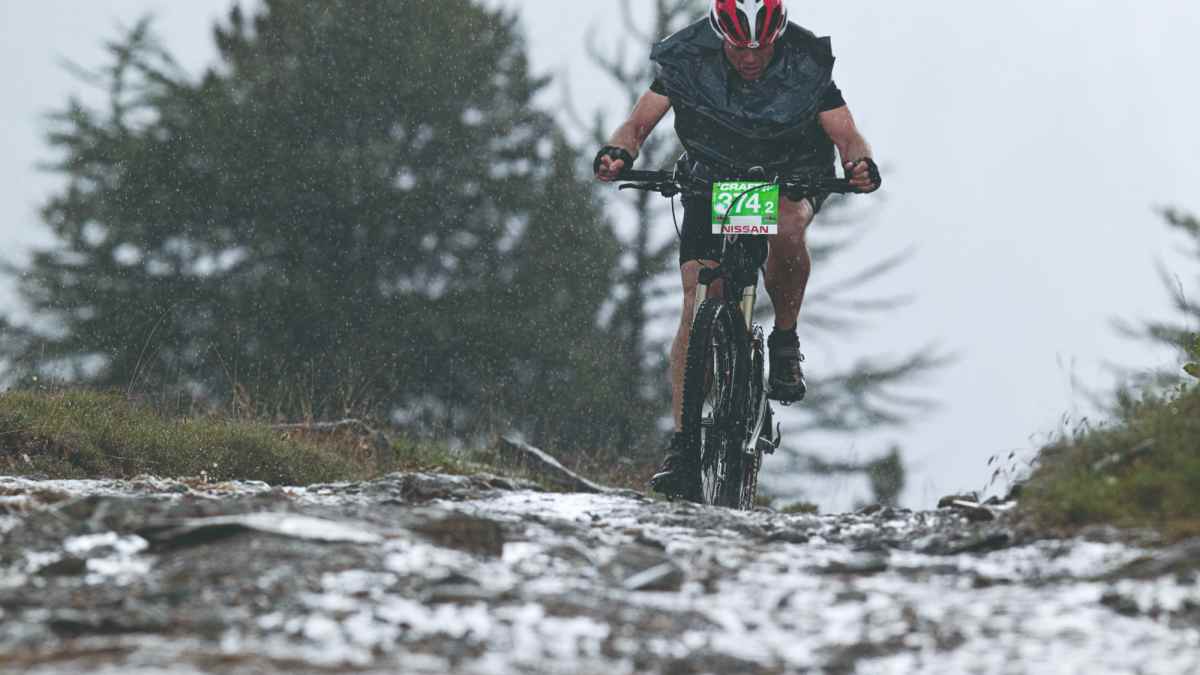
And this is also one of the shortcomings: on long descents, the wind sometimes whistles too strongly through the fabric and the waistcoat can no longer provide sufficient warmth when it is soaked with sweat. The Leatt is also only recommended to a limited extent for damp conditions, as the waterproofing quickly lets water through. Why the seams of the ThermaFlow 5.0 are taped on the inside is not clear to me. In some cases, the taped seams started to come loose after a few washes. In general, there is still room for improvement in terms of workmanship.
The waistcoat check: What alternatives are there?
The market for functional waistcoats is large, but each manufacturer has a different focus. Here are three exciting alternatives to the Leatt ThermaFlow 5.0:
- Fox Ranger Fire Vest: The classic for chilly days. It relies on a robust outer material and a brushed fleece lining. It is less technical than the Leatt (no graphene), but a very solid all-rounder for the trail.
- Endura MT500 Freezing Point waistcoat: When it gets really cold. This gilet uses Primaloft Gold insulation on the front. It is significantly warmer, but also less breathable on sweaty climbs.
- Scott Trail Storm Insuloft AL VestThis gilet is equipped with active Polartec® Alpha® Direct insulation that keeps you warm and comfortably protected from cold winds.
Conclusion: what the editors say
With the ThermaFlow 5.0 Leatt has a very comfortable waistcoat for trail use in its programme, which is pleasantly warm in the transitional period thanks to the waffle fleece. The top feature is the ventilation bar, which prevents heat build-up. However, the gilet is less suitable for damp conditions or high-intensity use - the material lets too much wind through when you're sweaty on a long descent and there is hardly any moisture protection. In terms of cut and workmanship, the Leatt was not fully convincing.


Stefan Frey
Editor