


When you sit low in the saddle on a time trial or triathlon bike, the pressure on the saddle is different to that on a road bike or gravel bike. The pelvis rotates forwards, contact with the front of the saddle increases, and pressure on the front perineal area rises. This is exactly where the Joyseat 3.0 TT comes in.
Posedla’s new triathlon saddle: tailored to specific requirements
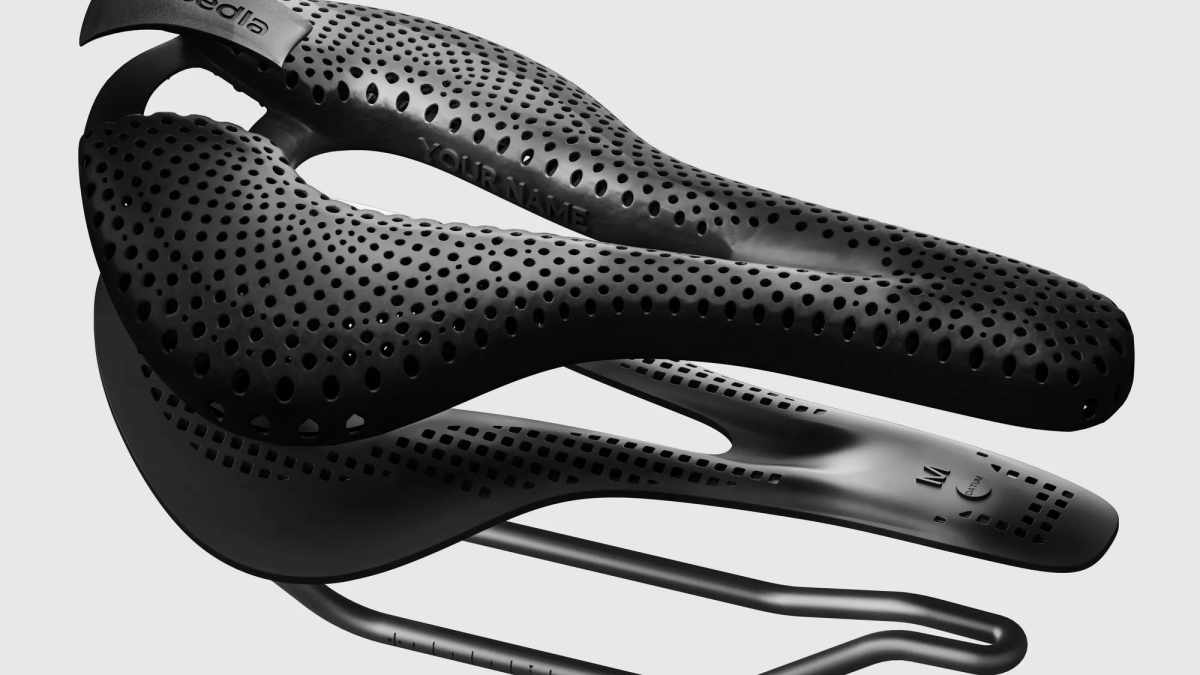
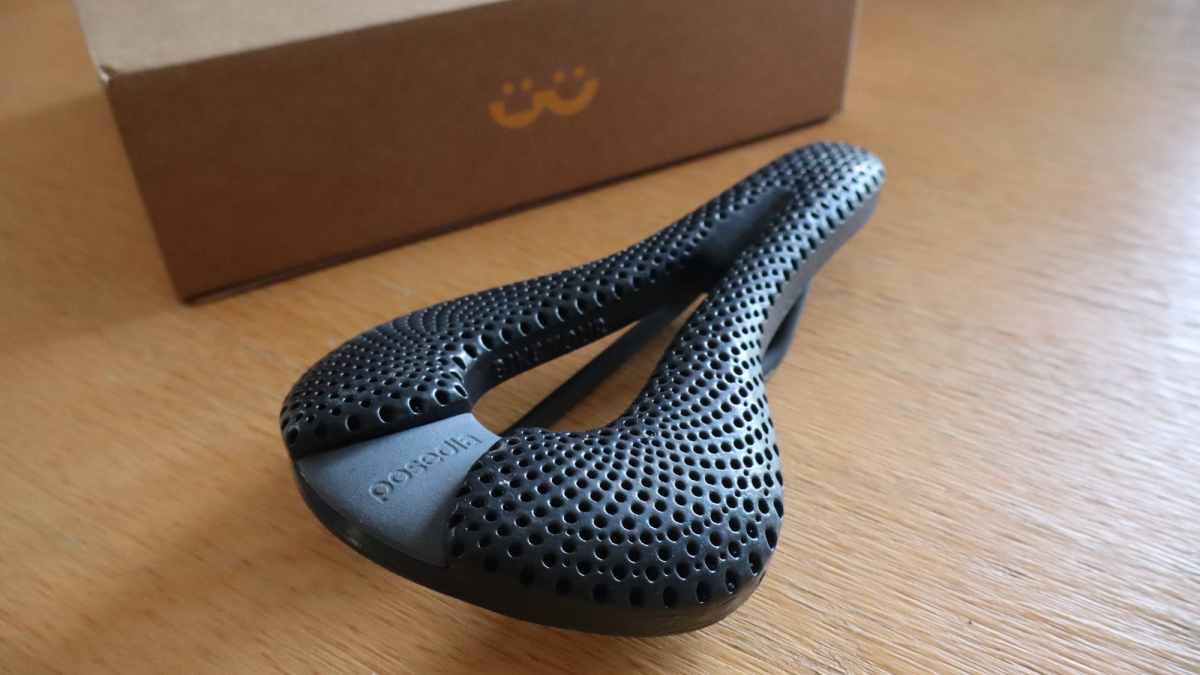
Posedla describes the TT as a flat saddle with a wider and more heavily padded nose. For male riders, a split nose section with an extended relief channel is provided. In the women’s version, however, Posedla opts for a wider, softer nose without a central split. The saddle shape is therefore not intended to be based on a universal template, but rather to be derived from the rider’s individual pelvic structure, anatomy and movement patterns.
That is the key difference compared to previous Joyseat models: the TT is not just an ordinary road saddle with a bit more padding at the front. Its geometry has been designed from the outset for an aggressive aero position.
Posedla Joyseat 3.0 TT: in a nutshell
- Discipline: Triathlon/Time trial
- Striving: 7 × 9 mm
- Max. rider weight: 110 kg
- Weight: from 155 g
- Materials:
- UD carbon struts
- UD Carbon Seat Post
- bespoke TPU padding
- Price: 599 euros
What’s new with the Joyseat 3.0 TT?
1. Being in good shape for table tennis and triathlon
The existing Joyseat models are designed differently for road, gravel and mountain bikes. The road saddle has a flatter profile and less padding; the gravel version is designed to be slightly more versatile, whilst the MTB saddle is more curved and has thicker padding.

The TT takes a different approach. It combines a flat profile with a wider, more supportive nose and a pressure-relief zone that extends well forward. This is designed to ensure the saddle provides support even when the rider remains in the low position for extended periods.
2. TriMesh as a new 3D-printed upholstery material
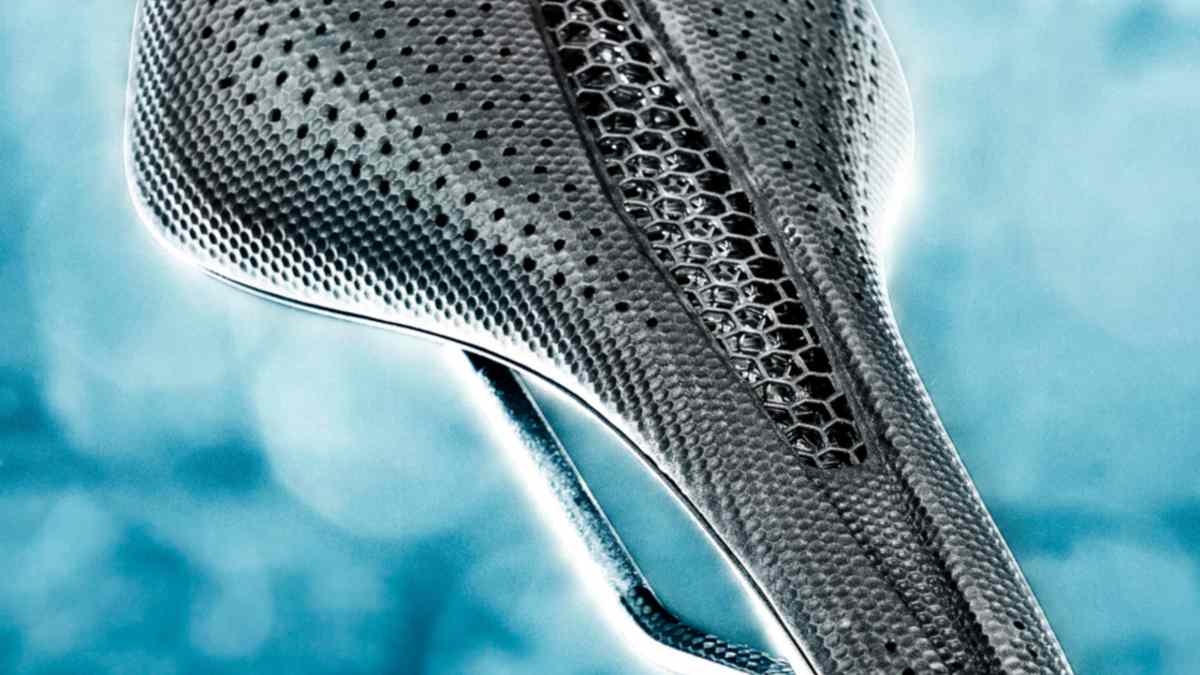
Another innovation is the TriMesh padding structure. Posedla uses triangular cells, the size, density and orientation of which can be varied within the saddle. This is designed to enable different areas to respond more specifically to pressure and movement.
According to the manufacturer, TriMesh offers around 28 per cent more controlled suspension travel than the previous mesh structure. In internal measurements, the dynamic suspension travel increased from around 0.88 to 1.13 millimetres. Importantly, this does not mean that the rider slides around more on the saddle. What is meant is a more controlled movement of the padding structure under load.
The aim is to create padding that provides progressive support beneath the sit bones, whilst at the same time offering greater give in the sensitive front area and ensuring a more even distribution of pressure. Posedla emphasises that TriMesh is not simply softer, but more adaptable.
3. Customisation right down to the nose area
As with the other Joyseat saddles, the TT’s dimensions are calculated using data from the so-called Smiling Butt Kit, as well as information on the rider’s physique, riding style, bicycle and average ride duration. With the TT, this personalised design is particularly important, as the requirements for the saddle nose vary significantly depending on anatomy and riding position.
According to Posedla, the company takes into account, amongst other things, the pelvic shape, the desired saddle width, the shape of the nose and the distance between the thighs. Pressure relief is also not implemented in exactly the same way for all riders.
Comparison: Joyseat Plus, Pro, Ultra and TT
| Model | Shell and struts | Weight from | Distinctive feature |
| Joyseat Plus | Nylon, stainless steel struts | 220 g | Sturdy, no specified load limit |
| Joyseat Pro | Twill carbon, unidirectional carbon struts | 165 g | Lightweight performance version, up to 100 kg |
| Joyseat Ultra | UD carbon, UD carbon struts | 155 g | The lightest and stiffest version, up to 110 kg |
| Joyseat TT | UD carbon, UD carbon struts | 155 g | Aero-Form, wider nose, triathlon-specific pressure relief |
The difference between the Ultra and the TT therefore lies not primarily in weight or material, but in the seat geometry and the intended use. The Ultra is designed for racing and aggressive riding positions in general. The TT, on the other hand, is specifically configured to withstand the stresses of time trials and triathlons.
What remains of the previous Joyseat?
The basic principle of the Joyseat remains the same: the saddle is custom-made based on a body scan and personal cycling data. In the BIKE review of the Posedla Joyseat 2.0 The design impressed with its good fit and clear relief for sensitive areas. After around 200 kilometres, pressure measurements showed that the strain was concentrated on the sit bones. At the same time, the upper material proved to be comparatively stiff during the test.
The new TT is now designed primarily to meet the needs of riders who do not sit upright or in a moderate road bike position, but instead ride for long periods with their pelvis tilted forwards. Whether the new nose geometry and TriMesh actually provide a significant advantage in real-world triathlon use remains to be seen in a detailed test. The technical specifications, however, are intriguing: Posedla combines its well-known bespoke manufacturing with a platform specifically tailored to the aero position.
In short: The Joyseat 3.0 TT is less a further variant and more a new application concept within the Joyseat system. Whilst the Plus, Pro and Ultra models are distinguished primarily by their materials, weight and stiffness, the TT offers a unique design tailored to time trial and triathlon riders. The new TriMesh padding is designed to ensure a more controlled fit without compromising on the necessary support under the sit bones.

Maik Schröder
Editor