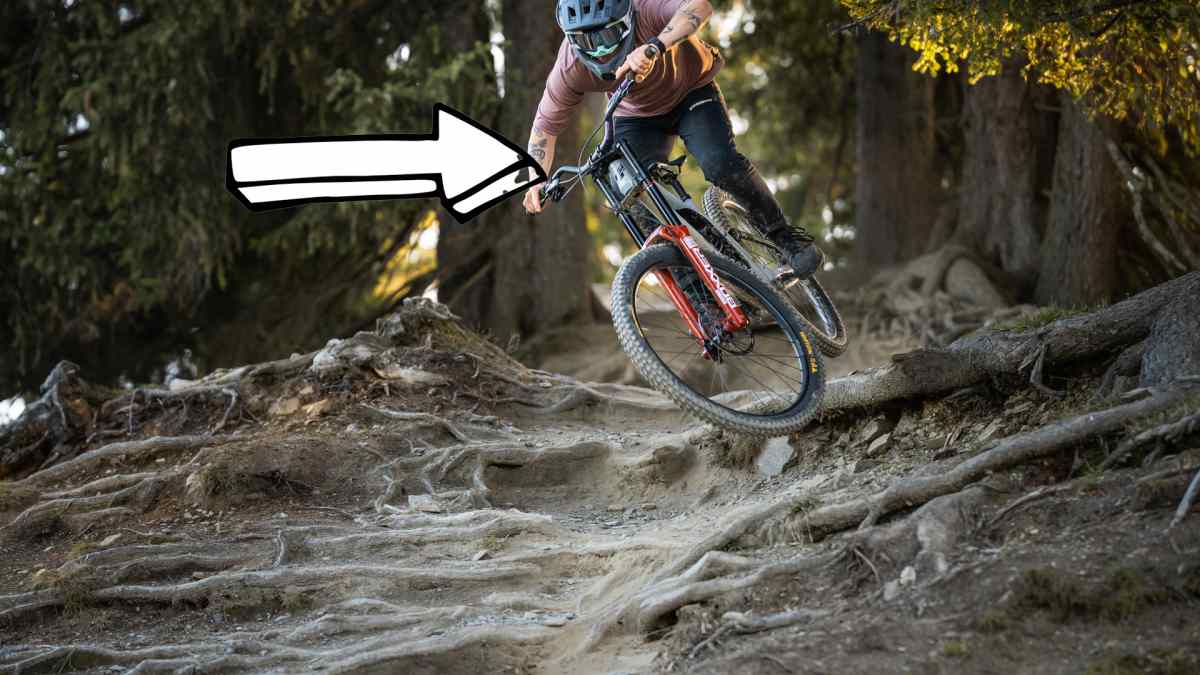
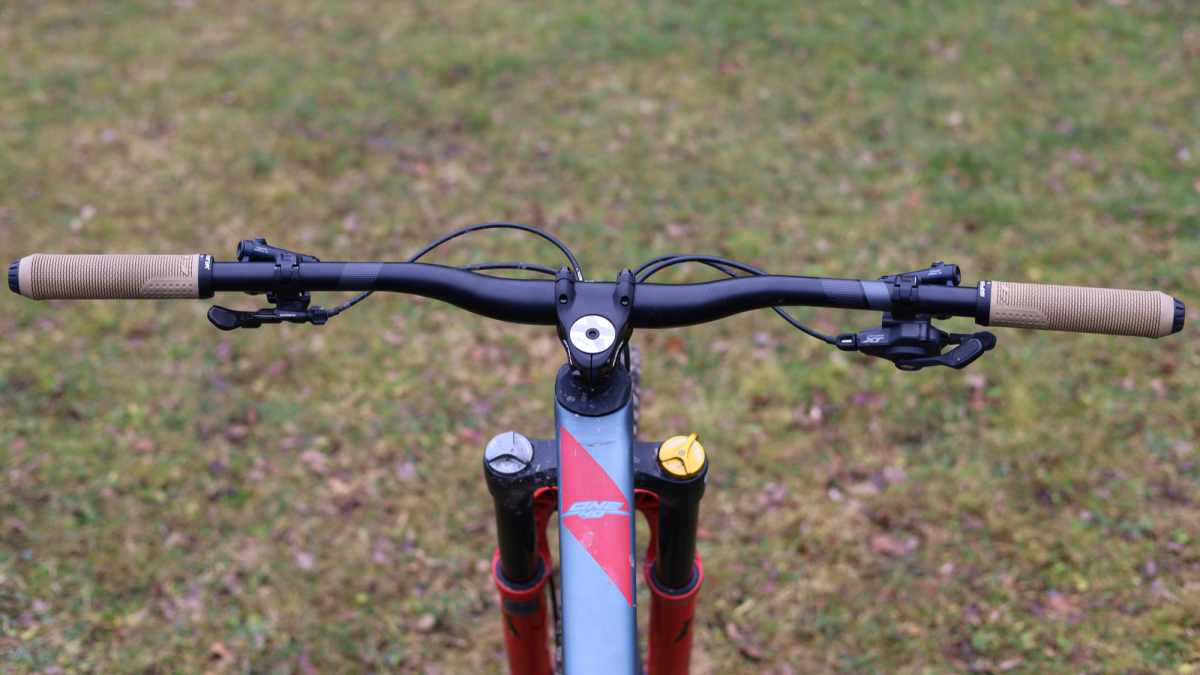
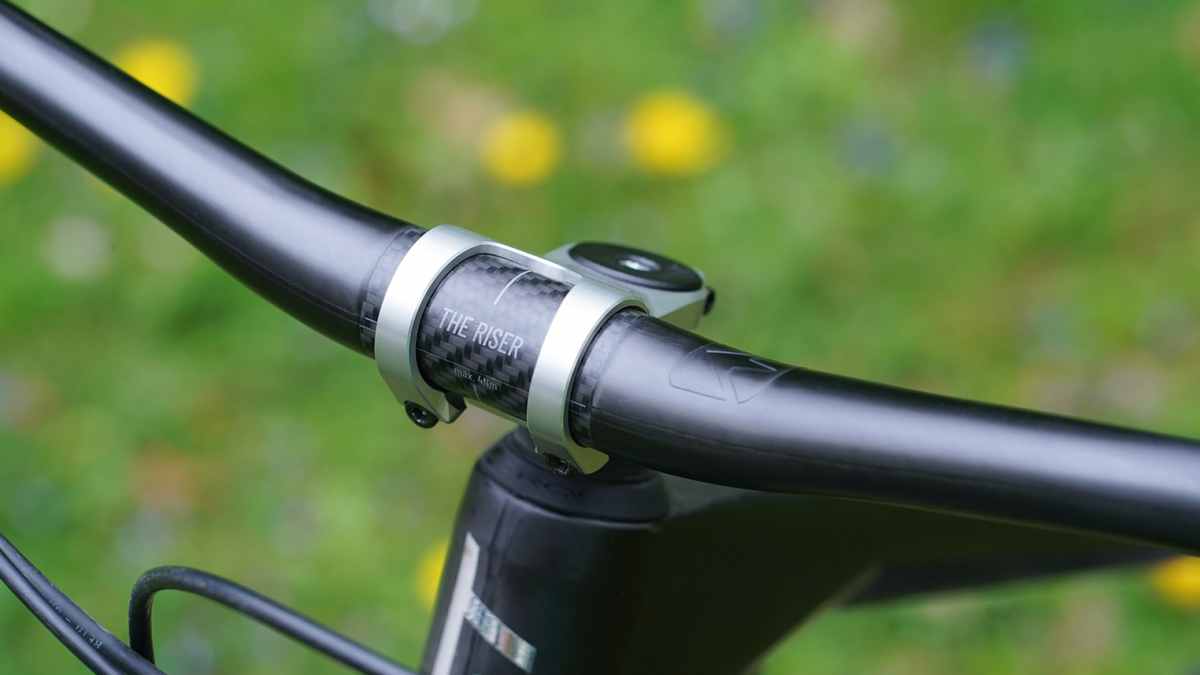
Shortly before Easter, the Swiss manufacturer FAIR bicycle is putting a big egg in the basket of all mountain bikers and is launching the 67 system, a handlebar/stem combination that combines two established standards. The central clamping zone measures 60 mm and works with any Ø35 stem. A flat-oval cross-section in the centre of the handlebar acts as a leaf spring and filters impacts from the trail. The technology is patented, but can be licensed free of charge by any manufacturer. The Swiss are making this gift to the bike industry just in time for 1 April, thank you for that!
FAIR bycicle 67 handlebar standard - Tech & Prices
- Handlebar clamping area35 mm compatible
- Clamping width: 60 mm
- Handle diameter: 22,2 mm
- Handlebar materialCarbon (aluminium possible)
- Material Flex CentralCarbon or aluminium
- Weight classesXS (up to 60 kg), S (60-75 kg), M (75-90 kg), L (90-105 kg), XL (105-120 kg)
- Handlebar price150-200 CHF
- Stem price150 CHF (target price)
Flat-oval cross-section as suspension element
The handlebar uses a flattened, oval cross-section in the clamping area, which, as a damped leaf spring, is said to offer up to 50 per cent more compliance than the best 31.8 millimetre handlebars. The upper half of the centre section consists of a cross-weave carbon layup, which enables maximum compliance in the downward direction. Impacts from obstacles or landings after jumps are thus maximised.

The lower half of the centre section uses a unidirectional layup. This arrangement creates maximum stiffness when the rider pulls on the handlebars while pedalling. The energy transfer during sprinting is maintained while vibrations are filtered from the trail.
Steering precision at 35 mm level
The steering-relevant forces run through the 35 mm area of the handlebar, which is designed to be very rigid. This design is intended to deliver the steering precision of a 35 mm handlebar. The rider can choose precise lines, while the thin centre area dampens vibrations. The combination of a stiff outer area and a compliant centre separates steering precision from comfort.
The standard grip diameter is 22.2 mm. Carbon is the preferred material, aluminium handlebars are of course also possible, but work less efficiently. A carbon construction makes much better use of the material properties for the leaf spring function in the centre area.
Flex Central Shim as connecting piece
The Flex Central Shim makes the 67 system compatible with any 35 mm stem. The component is made of carbon or aluminium and keeps the additional weight low. The clamping surface measures 60 mm in width and works with all current stems. The length of the flattened centre section is retained despite the wide clamping surface, which ensures downward compliance.
The interface between Flex Central and the handlebars is designed to avoid stress peaks. The parts move relative to each other under load without generating noise. The toothing between Flex Central and 67 handlebars distributes the clamping forces evenly between the two components. Installation is easier than with round reducing shims.
Special stem with top-loading design
FAIR bicycle develops its own stem for the 67 system. The top-loading design is also available under a free licence. The design is intended to ensure quiet operation even though the handlebars move vertically. The design reduces the required tightening torque and improves the clamping force at the same time. Installation is simplified.
The MTB-Trail-Gravity stem comes in lengths from 45 to 100 mm in 5 mm increments. The MTB-XC-Gravel-Road stem covers lengths from 60 to 120 mm, also in 5 mm increments. Both versions use vertical clamping.
Weight gradations for different rider types
FAIR bicycle categorises the handlebars into five weight classes. XS is aimed at riders up to 60 kg, S at riders from 60 to 75 kg. M covers 75 to 90 kg, L 90 to 105 kg. XL is designed for riders from 105 to 120 kg. The compliance is adjusted to the rider's weight.
The MTB programme comprises three variants: Flat Bar, Medium Rise Bar and High Rise Bar. A handlebar in several widths is available for gravel bikes. Road bikes also get handlebars in different widths. All handlebars are made of carbon fibre.
Free licensing for all manufacturers
The patent on the 67 technology belongs 100 per cent to FAIR bicycle. Any manufacturer can licence the system free of charge. FAIR bicycle justifies the decision with the conviction that the technology will benefit many riders on MTBs, road bikes and gravel bikes. The company is too small to distribute the technology globally, which is why the standard was opened up.
Free licensing enables other manufacturers to develop their own 67 products. The first licence partners will start delivery from January 2027. Further products will follow throughout 2027.
Availability and pricing
FAIR bicycle will deliver its own products from 1 April 2027 at the earliest, certainly in the first half of 2027. The carbon handlebars are expected to cost between 150 and 200 Swiss francs. The stem is offered with a target price of 150 Swiss francs.
The opinion of the editorial team
There have been quite a few manufacturers who have tried to breathe more comfort into MTB handlebars. Flexing zones, vibration-damping inlays - but most of the designs were more a mixture of an engineer's pipe dream and hocus-pocus, the effect, if any, was in the homeopathic range, sometimes bordering on voodoo. At 67, the Swiss may have discovered something like the holy grail of handlebar comfort. The design promises to combine the best of the previous handlebar standards and finally deliver maximum damping with decent stiffness. We are looking forward to the first tests and have already ordered products from Fair bicycle - will they make it to the editorial office in time for the Easter nest search or will they fall victim to the whims of 1 April? 6-7 ...