


In this article, we use so-called affiliate links. With every purchase through these links, we receive a commission from the merchant. All relevant referral links are marked with . Learn more.
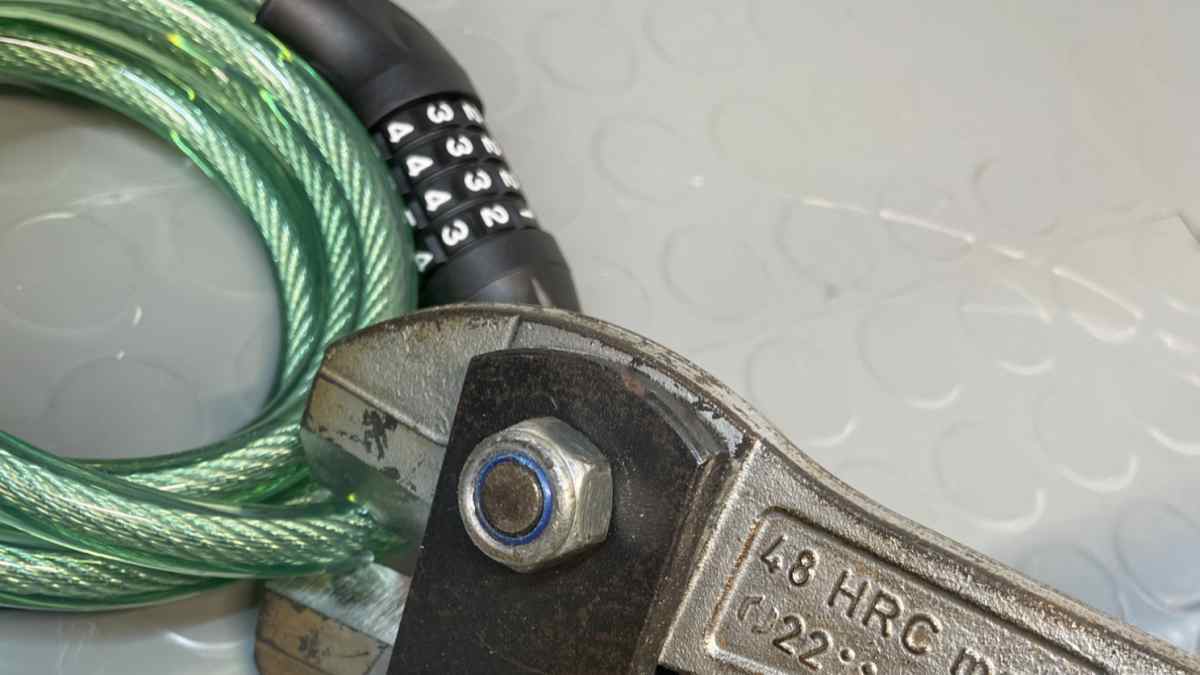
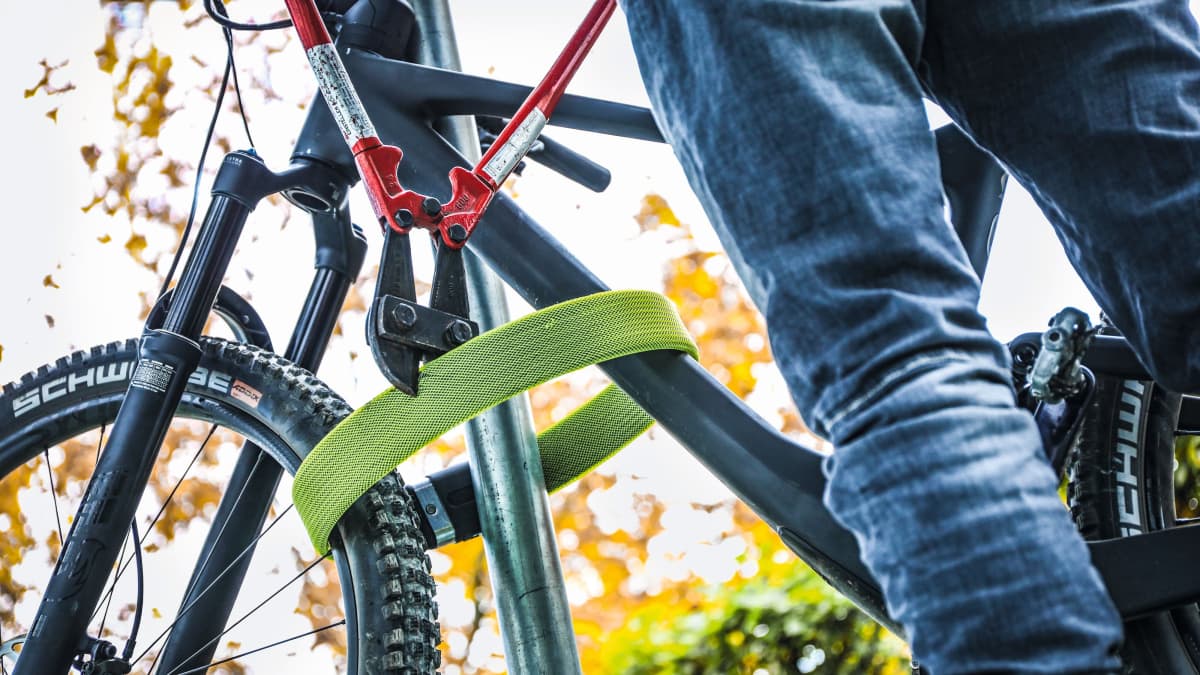
For many, the e-bike is far more than just a means of transport - it is a status symbol and an investment that often costs several thousand euros. This is precisely what makes it a prime target for thieves. While bolt cutters used to be the tool of choice, both sides are now arming themselves. The industry's answer: the "connected bike".
GPS tracker: The invisible eye in the frame
The classic GPS tracker is usually installed invisibly in the motor housing or frame and supplied with power directly via the e-bike battery. A small buffer battery ensures that the system continues to transmit even when the main battery is removed.
How it works in practice:
As soon as the bike is moved without authorisation, the owner receives a push notification on their smartphone. The location can be tracked to within a few metres via an app. Providers such as PowUnity or It's my bike also work with security services or the police to coordinate recovery.
What the editorial team says
A tracker does not actively prevent theft, but massively increases the detection rate. Important: Never go on a "manhunt" yourself, but hand over the live data to the police.
Smart locks: keys are a thing of the past
Smart U-locks or folding locks completely dispense with a mechanical locking cylinder - the biggest weak point for picking attacks. They are opened using a Bluetooth signal from a smartphone or a fingerprint.
- Advantage: No loss of keys possible, access authorisations can be shared digitally with friends.
- Additional alarm function: Many smart models (e.g. from Abus or Trelock) have 3D sensor technology. A 100-decibel alarm sounds in the event of a vibration, which is designed to put thieves on the run.
The weak points of the digital fortress
Despite all the innovations, there are technical hurdles. In deep underground car parks or reinforced concrete basements, many GPS systems lose contact with the satellite. In addition, professional thieves occasionally use "jammers" - transmitters that suppress the GPS or mobile phone signal.
Another factor is the follow-up costs: while a mechanical lock is a one-off payment, GPS services often require a monthly or annual subscription for data transmission.
Conclusion: It's all in the mix
The digital upgrade is a valuable building block, but not a panacea. The safest strategy for e-bikers in 2026 is the Two-factor locking:
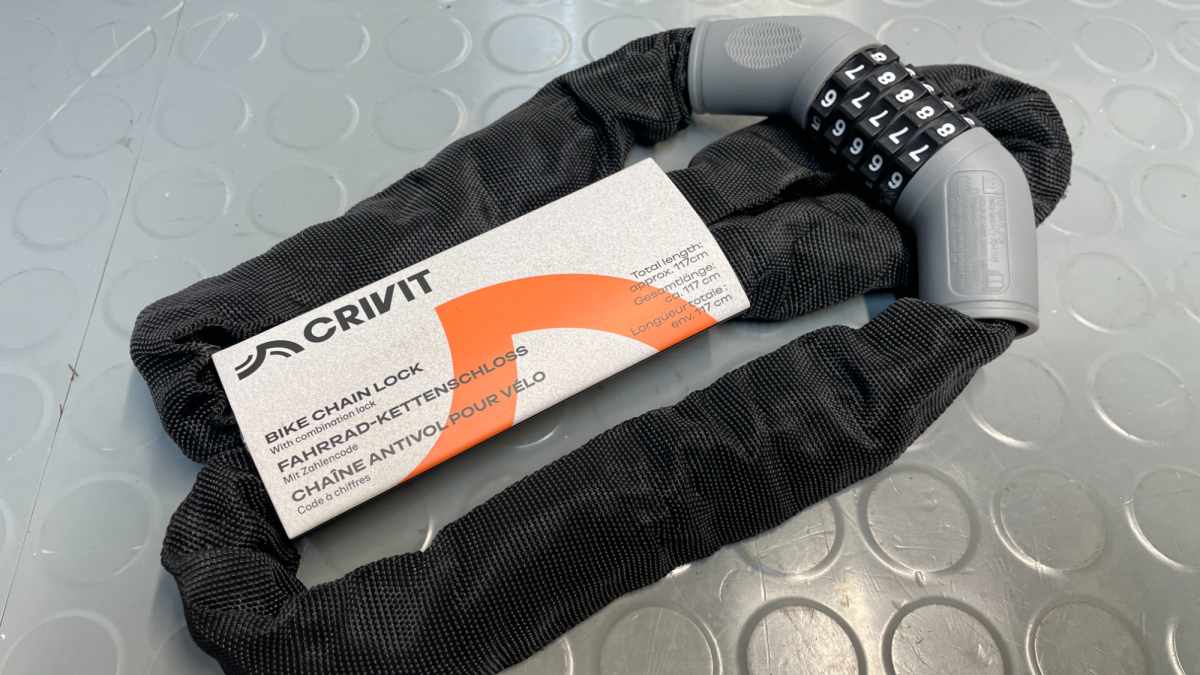
- Mechanical: A solid lock (shackle or chain) that costs time.
- Digital: A GPS tracker that records the trail in the event of a successful theft.
Smart theft protection - these options are available
| Provider | Advantages | Disadvantages | |
| Permanently installed tracker | PowUnity, Bosch Connect, It's my Bike | Invisible, power from the bike | Installation costs, subscription costs |
| Smart locks | Abus (SmartX), I Lock It, Trelock | Comfort, alarm function | The lock battery must be charged |
| AirTag integration | Various brackets | Inexpensive, no subscription costs | Inaccurate, thief is warned (anti-stalking) |

Stefan Frey
Editor
