


In this article, we use so-called affiliate links. With every purchase through these links, we receive a commission from the merchant. All relevant referral links are marked with . Learn more.
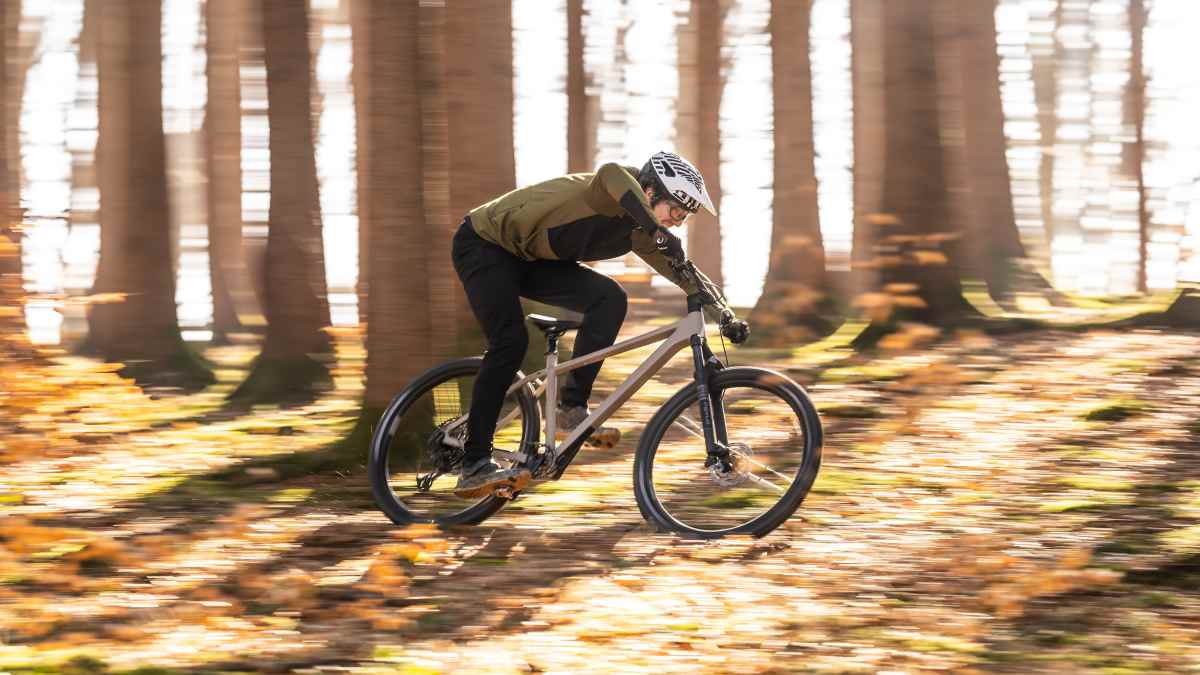
With new colours and new trim levels, Rose is launching the PDQ Hardtail Back on the trails. The facelift is thoroughly luxurious, featuring electronic shifting, carbon wheels and power metres. This should make the Rose PDQ appealing to all fans of a lightweight, versatile hardtail. Demand for hardtail mountain bikes is waning and under immense pressure from the gravel category. So it’s all the better that Rose is sticking with the lightweight PDQ. Two high-quality model variants remain.
Conclusion
Personally, I’m really pleased that Rose is revamping the PDQ. More and more mountain bike hardtails are disappearing from the market, but the PDQ is here to stay. With its wonderfully lightweight construction, modern geometry and extra suspension travel, this bike combines exactly the features that we at BIKE still love in sporty hardtails. The Rose PDQ has already impressed in our test; now I hope the market will embrace it too. - Jan Timmermann, BIKE editor
The Rose PDQ 2027 in detail
- Intended use: Cross-country / Marathon / Touring
- Suspension travel: 120 mm
- Wheel size: 29”
- Frame material: carbon
- Weight: 9.3 kg
- Price: from 3,200 euros >> available here
- Special features: Power meter
A new look, tried-and-tested values
At Rose, PDQ stands for “Pretty Damn Quick” and is intended to highlight the hardtail’s greatest strength: the PDQ is lightweight, sporty and powerful. With a carbon frame, rigid carbon seatpost and carbon wheels, weights as low as 9.3 kilo are possible in sizes M/L. With two new colours – Silver and Dark Pearl – the Bocholt-based mail-order company is revamping the PDQ’s design. The fact that the hardtail’s geometry offers equal potential for setting best times and enjoying the ride off-road, The Rose had already proved this in the BIKE test. These figures remain unchanged for the new model year too. The 120-millimetre suspension fork is mounted at a 67.5-degree angle in the head tube, the reach figures are comparatively long and the chainstays remain compact at 430 millimetres.
Just two high-quality models left
Like many other bike manufacturers, Rose is streamlining its hardtail range and now offers the PDQ in just two spec options. One of these features Shimano’s latest XT Di2 wireless groupset and components from the SLX range, whilst the other is fitted with a SRAM X0 AXS drivetrain. Both are equipped with shaft-based power metres for power measurement and training control. Ergon grips and a carbon seatpost from Newmen are designed to enhance comfort. The wheelsets are also from Newmen. In the more affordable Versicon, the rims are made of aluminium; in the more expensive version, they are made of carbon. Continental Dubnital tyres should be well suited to the intended use. In the Shimano version, the Rockshox SID Base suspension forks remain. The SRAM configuration is upgraded with the Select+ model, but still uses the older Level brakes.
Prices and weights
What do you think: are you sad to see the range of hardtail bikes shrinking, or have you long since switched to full-suspension and gravel bikes? Let us know in the comments!

Jan Timmermann
Editor
