


Verdict on the R Raymon Tarok Ultimate HSC test
Impressive weight, equally sleek looks and the whole thing with the the most powerful and best electric motor on the market: the Raymon Tarok has several superlatives up its sleeve. On the trail, it impresses with very balanced but surprisingly sporty riding characteristics. Light-footed and powerful at the same time, it invites experienced bikers in particular to dance fast on the trails. A success!
Data and facts about the R Raymon Tarok Ultimate HSC
| Price | 9.999,00 € |
| Suspension travel | 160 mm |
| Wheel size | 29"/ 27,5" |
| Weight | 20.6 kg |
| Motor | Avinox M2S+ |
| Battery | Avinox FP 700 |
| Fork | Fox 36 Float Factory |
| Rear shock | Fox Float X |
| Drivetrain | SRAM X0 Eagle Transmission AXS |
| Front brake | SRAM Maven Silver |
The Raymon Tarok first saw the light of day just over a year ago – back then fitted with the super-compact ZF motor. In the BIKE test, the Tarok impressed with its balanced handling and high level of riding enjoyment. However, the motor failed to catch on and has now disappeared from the market entirely. Now the new version is here: the Tarok with the new benchmark Avinox M2S motor. Despite significantly more power, the bike is now much sleeker and lighter. The Tarok models are set to hit the shops in July 2026.
Right at the first stage of the BIKE test, the carbon-fibre speedster Tarok Ultimate sets a new record: the top-of-the-range model in size L weighs 20.6 kilos. As light as the Original DJI Amflow PL Carbon Pro bike (reviewed here), which sparked the hype surrounding the new super motor. OK, the Raymon comes with 700 rather than 800 watt-hours – but the Tarok has sturdier tyres and beefy Maven brakes. So, as far as weight goes, this bike is top-notch. So far, no other model in our test lab has come close to the dream weights promised by the DJI team. The Raymon is by far the lightest bike we’ve had our hands on with the M2S to date. And visually, it doesn’t get much sleeker than this.

Great motor, great battery?
The slim down tube is mainly due to the new 700 series battery from Avinox, which until now has been available alongside the DJI brand Amflow in the new PX Carbon hardly any other manufacturers fit. This makes the down tube slimmer than on the vast majority of lightweight e-MTBs, which attracts astonished glances from other cyclists. The amazement grows even greater when, once on the bike, you switch the assistance levels all the way up: the motor, paired with the new battery, delivers 1,500 watts and 150 Newton-metres – even more than bikes with an 800-watt battery. On most mountains around the world, this means you’ll quickly reach the 25 km/h limit, so you’ll rarely be able to really tap into the full power, and even then only for a short time. This is a whole new level that very few cyclists are likely to use very often.
From 4,999 euros
Despite all these superlatives, Raymon has designed the Tarok as a bike for everyone, not as a super sports bike. The chassis does away with complicated adjustment options and customisation features, but does come with a side stand mount. And the price is also intended to make the Tarok accessible. With the entry-level model at 4,999 euros, you’ll still have to make significant compromises on serious terrain due to the spec. The Pro model, however, at 5,999 euros, should deliver a solid performance even on the trail.
Reality check: The Raymon Tarok on the trail
In practice, of course, the question arises: does weight optimisation on an e-mountain bike make sense? The Tarok proves that it does! At least when done sensibly. Because you can really feel this e-bike’s light weight on the trail. Despite its sturdy tyres, the wheels on this top-of-the-range model are extremely light. The result is lively acceleration and responsive handling, which sets the Tarok apart from the majority of high-powered e-MTBs. Pure riding pleasure!
On the trail, the bike impresses with a comfortable riding position. A low bottom bracket and high front end mean you’re really well integrated with the bike. The geometry strikes the perfect balance, avoiding extremes. The solid wheelbase gives the Tarok a smooth ride despite its lively character, instilling a sense of safety and confidence. The suspension is also impressive. The rear suspension feels more sporty than plush, making the bike’s handling predictable and responsive. You don’t get bogged down in the travel or waste energy when riding actively. Nevertheless, the suspension, combined with the excellent Conti tyres, generates plenty of traction.
Sports car or luxury saloon?
However, the bike isn’t designed for maximum comfort. In terms of perceived travel and shock absorption, the Tarok is more on a par with a trail bike than a mini-enduro. But don’t worry: when it comes to hard impacts, the rear end offers good end-stroke progression and therefore plenty of reserves. This character particularly appeals to sporty and experienced riders who like to actively manoeuvre their bike and appreciate clear feedback from the terrain. The Tarok can handle trails of all kinds, from gentle local loops to tough enduro routes.
On uphill sections, the Avinox M2S’s massive power really makes its mark on the Raymon. Even nasty steep ramps become a playground, with the Tarok dancing its way up them without the rider having to exert any serious effort. But be warned: the motor’s aggressive punch can sometimes suddenly throw the rider off or push them out of a bend – that’s just part and parcel of this sort of ride. It’s better to use the motor’s power sparingly on tricky sections. Then the Tarok is a confident and good-natured climbing partner.
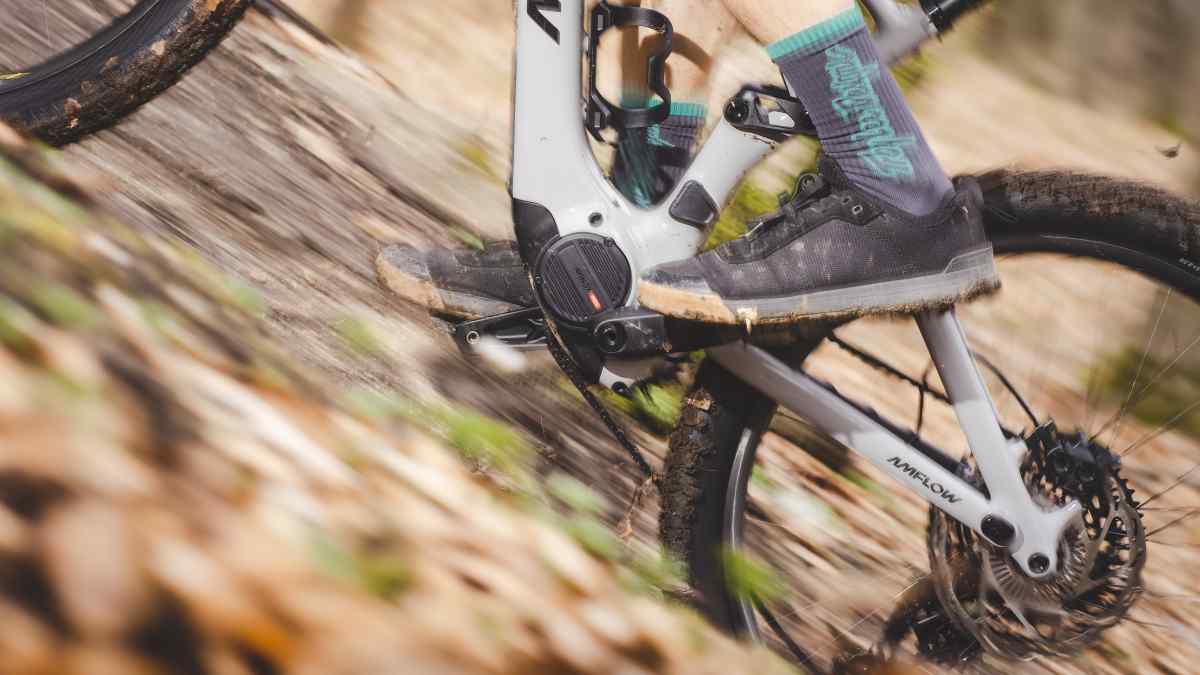
Admittedly, the front wheel does tend to lift slightly when riding passively, but thanks to the central seating position, this is easy to control. Rear-wheel traction is also excellent. However, due to the low bottom bracket, the crankset can occasionally bottom out on rough terrain. Extremely pleasant: on the Tarok, the Avinox drive was remarkably quiet, which is truly impressive given the sheer power on offer.
Strengths and weaknesses
Strengths
- Extremely light yet incredibly powerful
- great riding position
- lively handling
- Fast charger
Weaknesses
- Battery permanently fitted
- Crank strike caused by a low bottom bracket

Florentin Vesenbeckh
Editor CvD