


Conclusion on the state of the cycling industry
Despite the current decline in turnover, the cycling market is proving to be resilient. As the experts at BBE Handelsberatung emphasise, the current consolidation is not a prolonged crisis, but rather the market finding a healthy balance following the exceptional hype. Those who focus flexibly on diverse segments such as gravel bikes and sharpen their profile through excellent service will emerge stronger from this market shake-up.
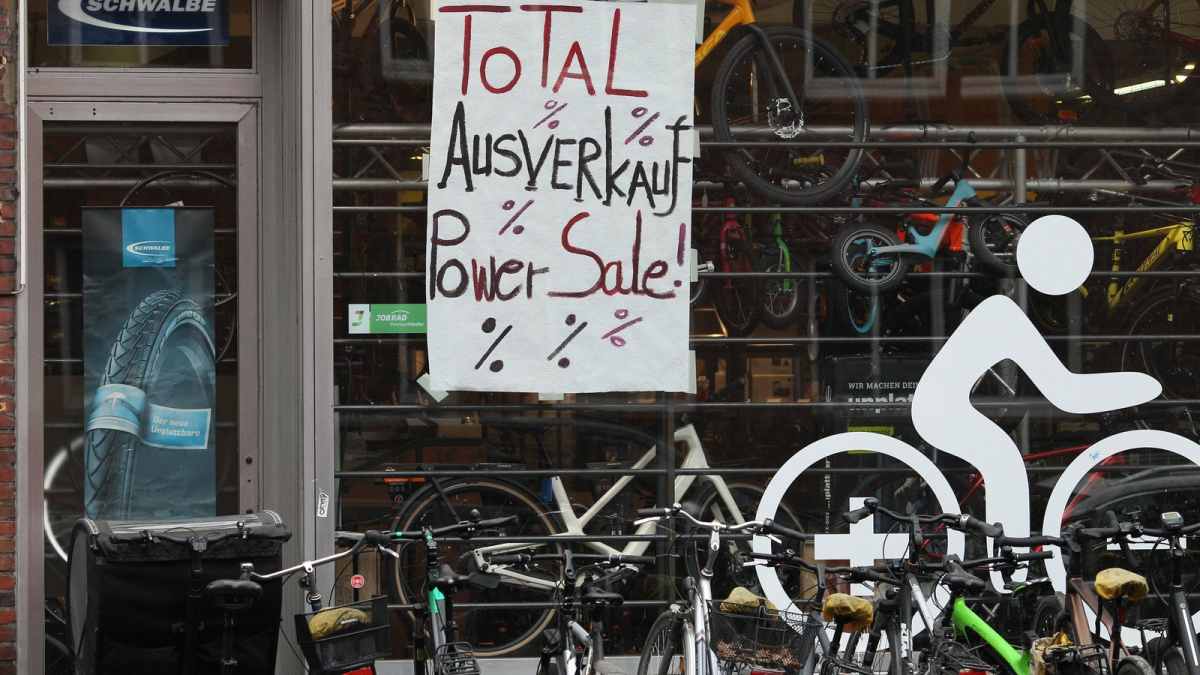
Following the extraordinary boom years during the pandemic and the subsequent sharp decline, the German bicycle industry is still undergoing a profound market shake-up. According to the latest ‘Bicycle Industry Report 2026’ by IFH KÖLN (Institute for Retail Research) and BBE Handelsberatung, market volume fell by 5.1 per cent in 2025 to a total of 9.4 billion euros. This marks the third consecutive year of declining turnover. Nevertheless, the sector is stabilising at a high level: the total volume remains well above pre-pandemic levels.
This decline is leading to a noticeable shift in the retail landscape. Large specialist retailers and chain stores are further extending their lead thanks to their generous sales areas dedicated to e-bikes. Smaller retailers, on the other hand, are weathering the pressure by strategically repositioning themselves. “Those who optimise their processes now, have a clear strategic positioning and keep their figures under control will emerge from this phase in a stronger position,” explains Florian Schöps, Management Consultancy Manager at BBE Handelsberatung. Many retailers are therefore increasingly relying on workshop, repair and maintenance services as reliable sources of revenue.

Gravel hype defies the downward trend
Despite the general reluctance to spend, there are clear drivers of growth. Above all, road bikes, sporty road bikes in general and gravel bikes in particular have given the segment a sustained boost. “These bikes combine sporting performance with high practicality for everyday use, thereby appealing far beyond the traditional road bike target group to both ambitious athletes and leisure cyclists,” says Christoph Lamsfuß, Senior Project Manager at IFH KÖLN.
Even within the e-bike sector, which is experiencing an overall decline, e-gravel bikes and electric all-terrain bikes (ATBs) are proving to be real bright spots and are gaining market share. The market is receiving a further boost from children’s and young people’s bikes, which, according to surveys by IFH KÖLN, are currently benefiting from higher birth rates during the pandemic years.
Why the MTB is still in crisis
In contrast, there is the industry’s problem child: the mountain bike sector, including the once-flagship e-MTB category. The causes of the current pressure on sales run deeper than a mere economic downturn. Following the massive supply bottlenecks of the boom years, retailers and manufacturers built up enormous overcapacity. This was followed by a whole wave of aggressive discount wars aimed at clearing the bulging warehouses in 2024 and 2025. This caused retail margins to plummet dramatically and accelerated market saturation. Although a new, higher ‘price reality’ has now stabilised, customers are showing only limited interest. Those who bought an expensive e-MTB during the hype feel no need to make a new purchase today.
Furthermore, rapid technological change is causing uncertainty: the swift emergence of new generations of batteries and innovative drive systems is making buyers hesitate for fear of rapid obsolescence. Many consumers’ motto is: better to wait and see what catches on than to rush into buying something new that might become old hat just a few months later.
At the same time, the traditional, non-motorised mountain bike (particularly trail bikes) is coming under increasing pressure. On the one hand, lightweight, extremely high-performance e-MTBs are covering the same range of use; on the other hand, high-performance cross-country bikes are also encroaching on this territory. According to official market data from the German Bicycle Industry Association (ZIV) and the Service and Bicycle Association (VSF), only around three per cent of mountain bikes sold in Germany are now non-electric. The traditional MTB is losing its distinct identity to more versatile crossover designs.
But why are road bikes so popular and why are gravel bikes booming? The barrier to entry is simply lower: gravel bikes and road bikes don’t require a high level of riding skill. It’s a different story when you’re riding a mountain bike on unpaved trails. What’s more, with a road bike or gravel bike, the majority of the target audience can set off right from their own front door – easy access, in other words. Mountain bikers, on the other hand, often have to drive first to reach suitable routes.
So what happens next?
Despite the recent decline in turnover, the overall mood among the leading trade associations is optimistic. The worst seems to be over, and the foundations are solid. Burkhard Stork, Managing Director of the German Bicycle Industry Association (ZIV), emphasised the sector’s inherent strength during the presentation of the latest market data in March:
The cycling industry has demonstrated that it can drive innovation. The task now is to harness this potential in a targeted manner to achieve sustainable growth. We must tap into new target groups and areas of value creation.
Forecast for gravel bikes and road bikes: the growth champions
Experts expect continued growth in the gravel bike segment (including the emerging e-gravel bikes). Furthermore, this category of bicycle is currently the most rewarding for manufacturers and retailers, as demand is so stable that there is hardly any need to offer discounts in this segment. The trend here in 2026 is towards even greater system integration, electronic groupsets as standard and aerodynamic bikepacking designs.
The classic road bike is benefiting greatly from this boom: many riders are switching flexibly between the two worlds, meaning that performance on tarmac and gravel is becoming increasingly intertwined. Greater tyre flexibility and shock-absorbing comfort technologies are defining the new generations of models.
MTB and E-MTB Forecast: Innovation to Combat Market Saturation
In the mountain bike and e-MTB sectors, the market shake-out is taking the longest to run its course due to the massive overcapacity of previous years. The forecast indicates a marked split in the market into two new technology-driven directions:
- Engines and weight: The market is demanding lighter, more agile e-mountain bikes that differ even less from classic mountain bikes in terms of both appearance and riding dynamics. At the same time, competition in the motor market is intensifying, forcing established system providers to come up with faster and more far-reaching innovations.
- The 32-inch revolution: A new technological breakthrough could create entirely new incentives for purchasing both non-motorised and motorised MTBs. Now that the UCI (International Cycling Union) has approved larger wheels for the World Cup, the industry is gearing up for the changes.
The 32-inch trend, in particular, is being closely watched within the industry. This new type of wheel could well breathe new life into the non-motorised mountain bike sector, which has been struggling with a lack of innovation. Steffen Jüngst, press spokesperson for tyre manufacturer Schwalbe, certainly sees great potential in this development:
According to our analyses and tests, 32-inch tyres are a promising technology offering real, tangible benefits – regardless of individual market segments and extending well beyond the performance sector.

Josh Welz
Editor-in-Chief