


What is an all-road bike?
Sporty, comfortable, off-road capable, versatile – all-road bikes are bikes for almost anything. They are designed for both road and light off-road use, for tarmac, cobblestones, field tracks and compact gravel paths. They differ from trekking bikes in their sporty geometry with drop handlebars, and from dedicated gravel bikes in their focus on efficiency and everyday use.
All-road bikes generally offer a comparatively upright riding position and space for tyres at least 32 millimetres wide. The frames are designed for durability and comfort. The level of integration is relatively low, making the bikes easy to maintain. Round seatposts and standardised stems and handlebars are frequently fitted, so that the riding position can be adjusted with minimal effort. All-road models perform well on varied terrain and often offer greater tyre clearance, better suspension comfort and more comfortable geometries for a more upright riding position than pure road bikes.
All-road, gravel and trekking bikes: the differences
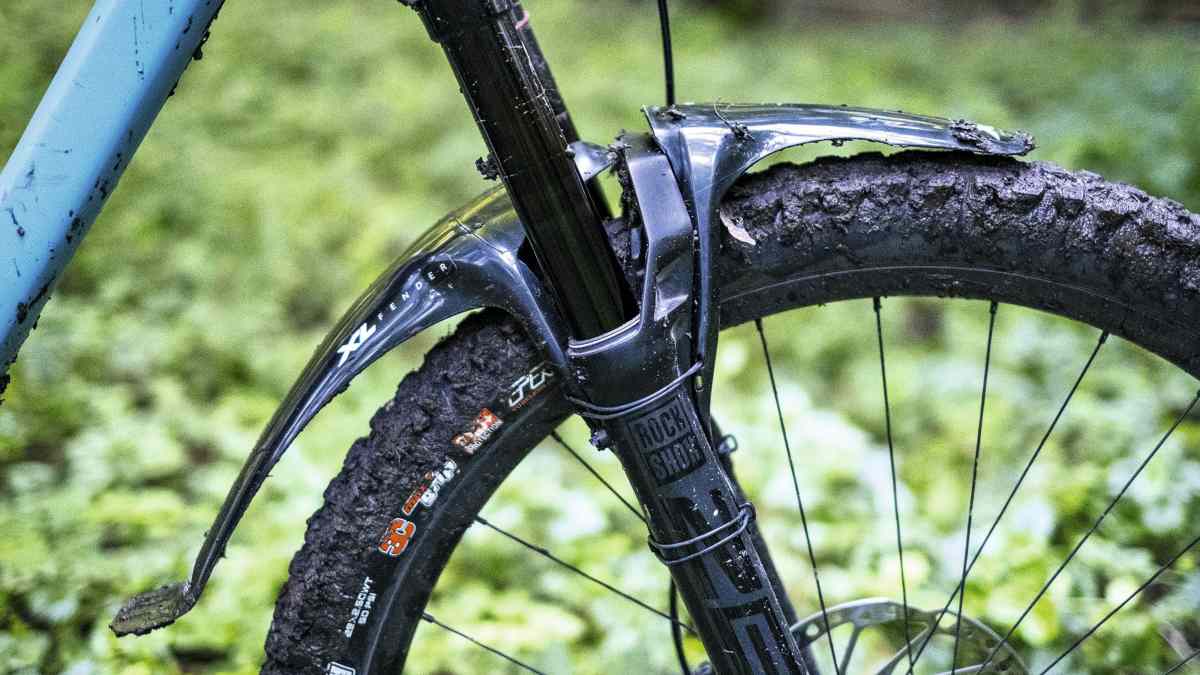
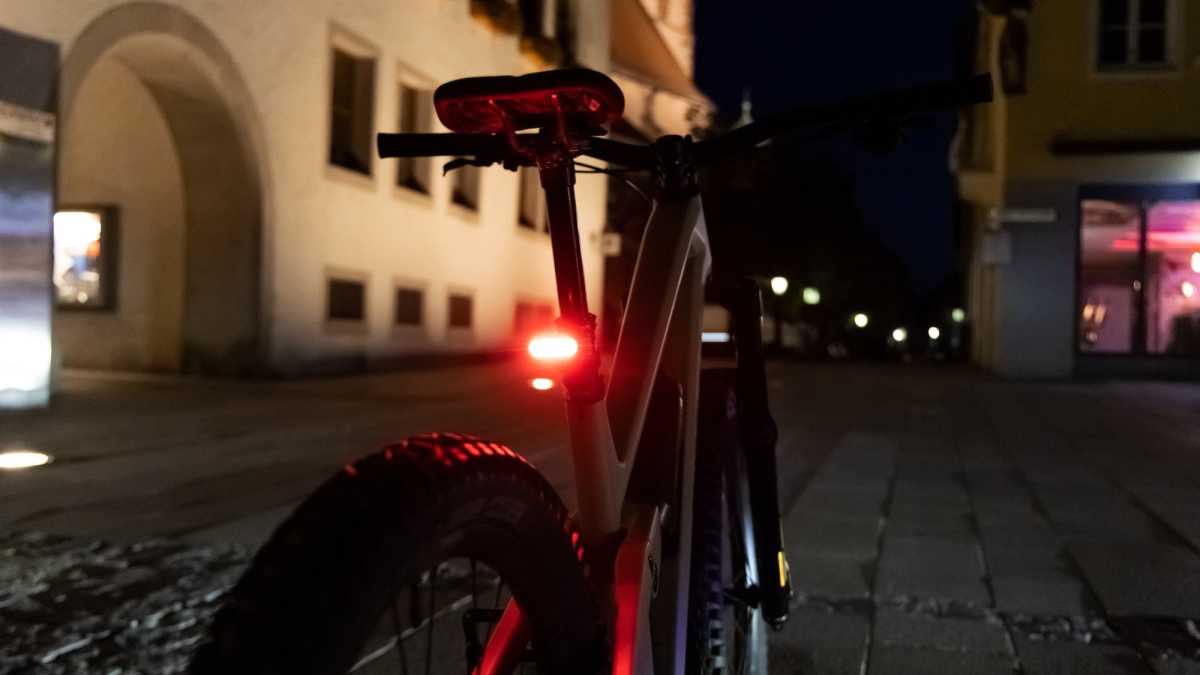
All-road bikes are aimed at sporty riders who don’t want bikes designed purely for tarmac racing, and for whom practical mobility and everyday usability are more important than ambitious training sessions. They are ideal for touring cyclists, adventurers and commuters who value flexibility. Mudguards, lights and a luggage rack are provided as additional features for everyday use, and practical mounting points must be available.
Particularly during the transitional seasons, even tarmac paths are often muddy and not perfectly level. With an all-road bike, you can ride more comfortably and almost all year round. Unlike with dedicated gravel bikes, you don’t need to be able to ride absolutely everywhere – bumpy or even blocked trails are where the limits lie. In return, you get a very direct, zippy riding experience on tarmac. Park paths, forest tracks and simple gravel tracks are no reason to turn back.
How much does a good all-road bike cost?
The price range is wide – and that’s good news: prices start at around 1,500 euros if you’re looking for typical gravel components such as a Shimano GRX drivetrain and hydraulic disc brakes. From around 3,000 euros, you can expect a carbon frame. The only question is: do you want one? If you frequently ride with luggage, lock your bike to a public bike rack and generally prioritise all-round practicality over pure riding performance, you’re better off with an aluminium model.
Checklist: What to look out for when buying
| Ground clearance | At least 38–40 mm |
| Brakes | Hydraulic disc brakes |
| Drive | Wide gear range for gradients, dual-drive system for fine gear changes |
| Frame/Fork | Aluminium frame + carbon fork: a sensible middle-of-the-road option |
| Fixing points | Eyelets for mudguards, lights and luggage |
| Geometry | Upright and comfortable |
Corratec Allroad A EQ: An example for everyday use and touring
With the new Allroad A EQ, Corratec is targeting cyclists who want to combine gravel performance with everyday practicality. The designation ‘EQ’ stands for ‘Equipped’: mudguards and lights come as standard and are seamlessly integrated into the frame design.

An aluminium frame combined with a carbon fork, the Shimano GRX 10-speed groupset and 40-millimetre-wide Schwalbe G-One Overland tyres ensure reliable performance on tarmac, gravel and country lanes. The crankset with 46/30T chainrings and an 11–36-tooth cassette provide a gear range that covers both fast sections and steep climbs. Braking is handled by hydraulic Shimano GRX disc brakes – they’re reliable in all weathers.
| Price | 2,099 euros |
| Frame | Aluminium, 12×142 mm thru-axle |
| Fork | Allroad Carbon Fork Disc |
| Groupset | Shimano GRX 2×10 |
| Crank | Shimano GRX FC-RX600 GRX, 46/30T |
| Cassette | Shimano CS-HG50-10, 11-36T |
| Brakes | Shimano GRX BR-RX400, 160 mm |
| Tyres | Schwalbe G-One Overland 365, 40-622 |
| Luggage rack | Sideload Rack |
| Headlight | Herrmans MR9 Dynamo, 180 lumens |
| Rear light | Herrman’s H-Trace Mini Dynam,o |
| Weight | 13.12 kg |
| As standard | Mudguards & lighting system |
| Max. total weight | 120 kg |
Numerous mounting points allow for customised set-ups – from a compact commuter bike with minimal luggage to a bike for multi-day tours or light bikepacking. If you’re looking for a bike that’s equally at home on your commute, weekend rides and holiday adventures, the Allroad A EQ offers a well-thought-out solution.
What are the limitations of all-road bikes?
Versatility comes at a price: an all-road bike is a compromise and cannot compete with a bike specifically designed for certain disciplines. Compared to a road bike, wider tyres, a sturdier frame and, where applicable, mudguards, lights and a luggage rack add extra weight and rolling resistance. On challenging trails, however, it lacks the reserves of a gravel bike or even a mountain bike. Switching between everyday use and sport isn’t always straightforward either: permanently fitted mudguards, a luggage rack or a wired lighting system often require considerable effort to remove. So if you mainly use your bike for sporting activities, you’re better off with a road bike, a gravel bike or a mountain bike. For those who want to cover both everyday use and sport with just a single bike, an all-road bike is definitely an option.

Josh Welz
Editor-in-Chief