While we learnt how to physically delay theft in Part 1, today we're looking at psychological and digital upgrades. The aim is to make your bike as unattractive as possible to thieves - and if it does disappear, you want to know where it is.
The digital track: GPS tracker check
A lock is passive protection, a GPS tracker is active. Two worlds have established themselves here:
- The "AirTag" approach (Crowd GPS): Inexpensive and small. Apple AirTags or Samsung SmartTags utilise the network of passing smartphones. These are ideal for urban areas where many people are out and about. But there is also a disadvantage: Professional thieves receive alerts on their mobile phones that a tracker is nearby.
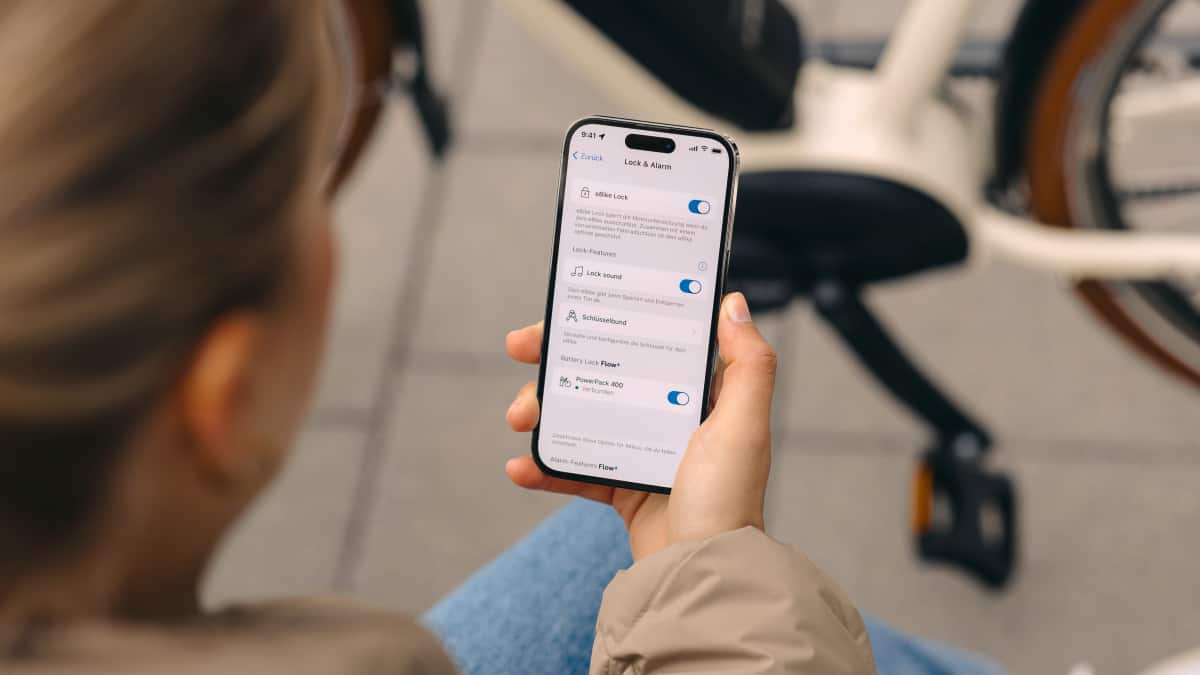
- Real GPS modules: These are often permanently installed in the e-bike motor or frame, have their own SIM card and a buffer battery. They are an ideal solution for high-quality e-bikes and sports bikes. Their huge advantage, which cannot be denied, is that they send your live location, often including motion alerts, directly to your smartphone.
The power of coding: the "brand" for your bike
Why would a thief steal a bike that he can hardly sell on? This is where ADFC or police coding comes into play. An individual number (your address in encrypted form) is engraved into the frame or attached using a special, indelible sticker.
This serves primarily as a deterrent. Because the sticker "Hands off - coded!" signals this: This bike is registered by the police. But it also makes resale considerably more difficult. This is because stolen goods with engravings can hardly be sold on the black market or online.
After all, it also contributes to the recovery rate: If the police unearth a cache of stolen goods, your bike can be traced back to you immediately - even if you don't have the frame number to hand.
Component protection: When "only" the saddle is missing
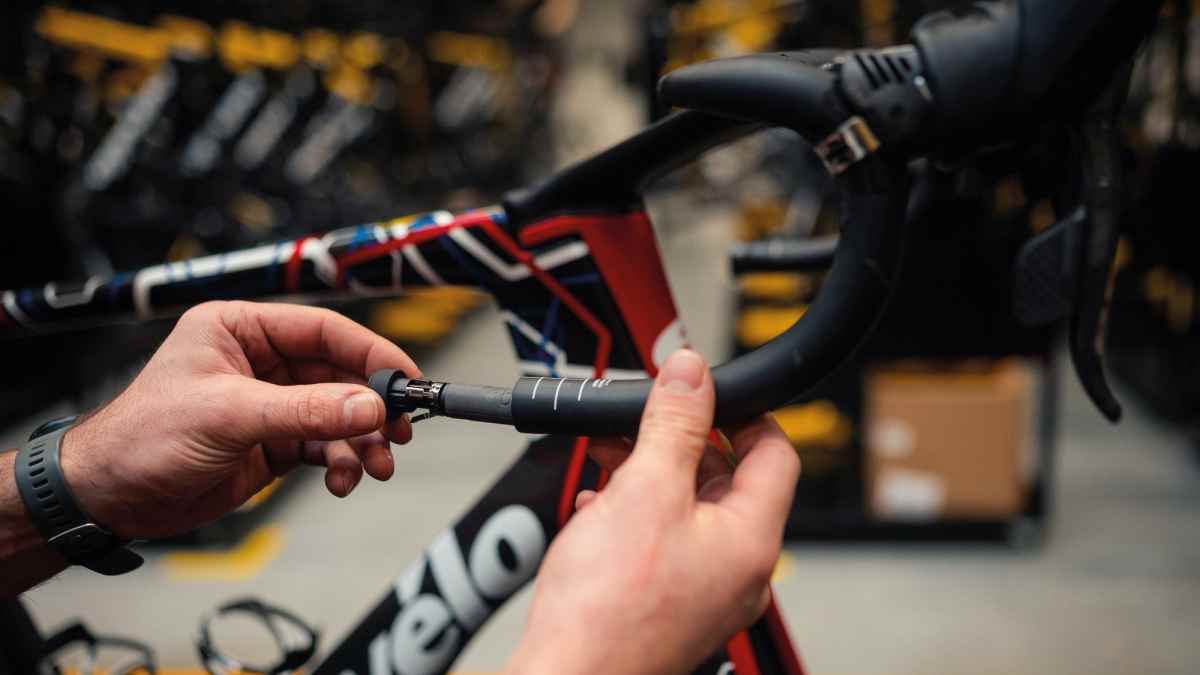
Particularly annoying for everyday cyclists: the bike is still there, but the front wheel or the high-quality saddle are gone. Quick-release skewers may be practical for changing tyres, but unfortunately they are also easy for thieves.
The solution: Replace quick-release levers with security systems (e.g. HexLox or Pitlock). These can only be opened with a coded key. This keeps your accessories where they belong.
The digital bike pass: your proof in an emergency
Do you know the frame number of your bike off the top of your head? If not, it will be almost impossible to report it to the police. Our tip: Use free apps (e.g. the police bike passport app) to save photos, frame number, proof of purchase and special features. In the event of theft, you can send a PDF file to the police and insurance company at the touch of a button.
And finally, a professional tip: use the "fake security"! Sometimes a little psychological trick can help. For example, a conspicuous sticker from a GPS provider can persuade a thief to take the bike next to it, which looks "silent" - regardless of whether you have actually installed a tracker or not.
Important: A GPS tracker is not a free ticket. Never try to recover a stolen bike on your own if you know its location. Always leave access to the police!