It's every cyclist's nightmare: you come out of the supermarket or the office, your gaze wanders to your usual parking space, but there's a gaping hole. Only a cut lock reminds you of your beloved bike. Every year, around 260,000 bicycles are reported stolen in Germany - the number of unreported cases is far higher.
But the good news is: thieves are usually efficiency experts. They look for the least resistance. If you make life difficult for them, they'll move on. Here's your battle plan for part 1 of our series.
The golden rule: Connect instead of disconnect
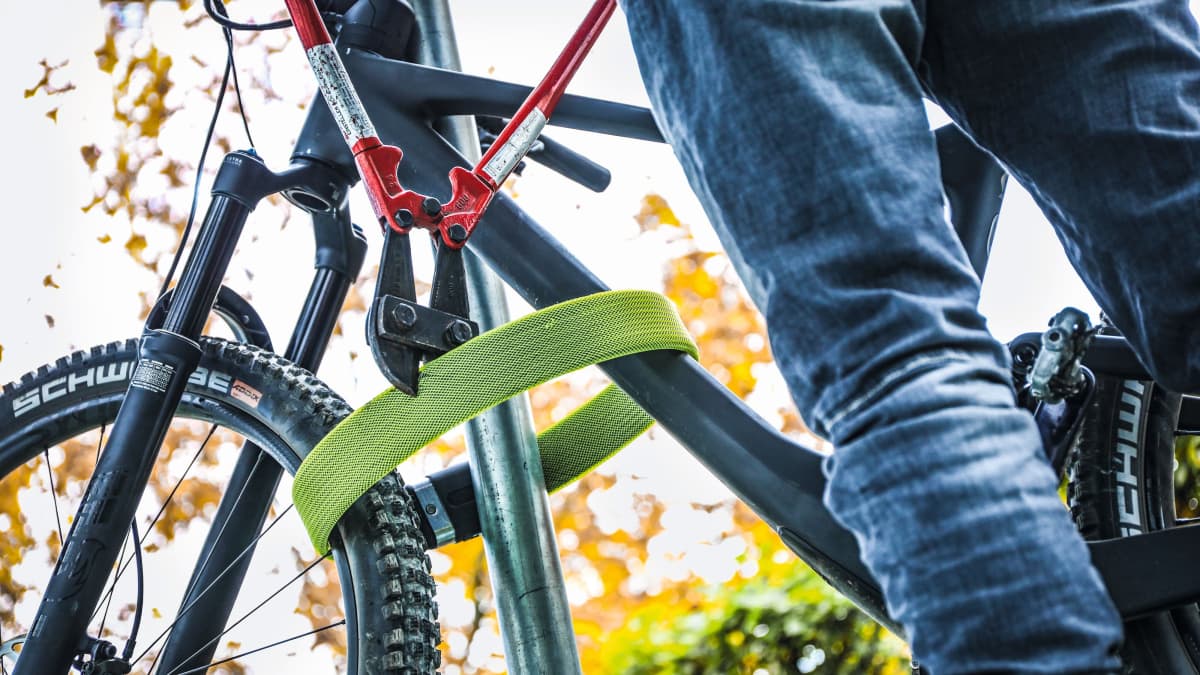
A locked bike that is only locked in itself (e.g. by a spoke lock) is an invitation to thieves. It is simply lifted into a van or carried away. The anchor point: Your bike should always be secured to a fixed object - a sturdy bike bracket, a lamp post or a fence. The height: Attach your lock as high up as possible. If the lock is on the ground, thieves can press a bolt cutter against the ground with one arm and use much more force.
Where you park determines the risk
- The commuter check: Bikes are often left unattended for hours at the railway station. What counts here is maximum deterrence.
- The office backyard: beware of false security! "Private properties" often appear to thieves like a buffet in a quiet atmosphere.
- The café stop for athletes: The expensive carbon racing bike leaning against the window just two metres away? Professionals use "flash thefts". A quick sprint and the bike is gone before you've paid for your espresso. A lightweight, compact additional lock can help for the moment.
The battle of materials: which lock for whom?
There is no such thing as an uncrackable lock, but there are locks that take too much time.
- The U-lock: the classic. Solid and difficult to pick, but inflexible when connecting to thick lanterns.
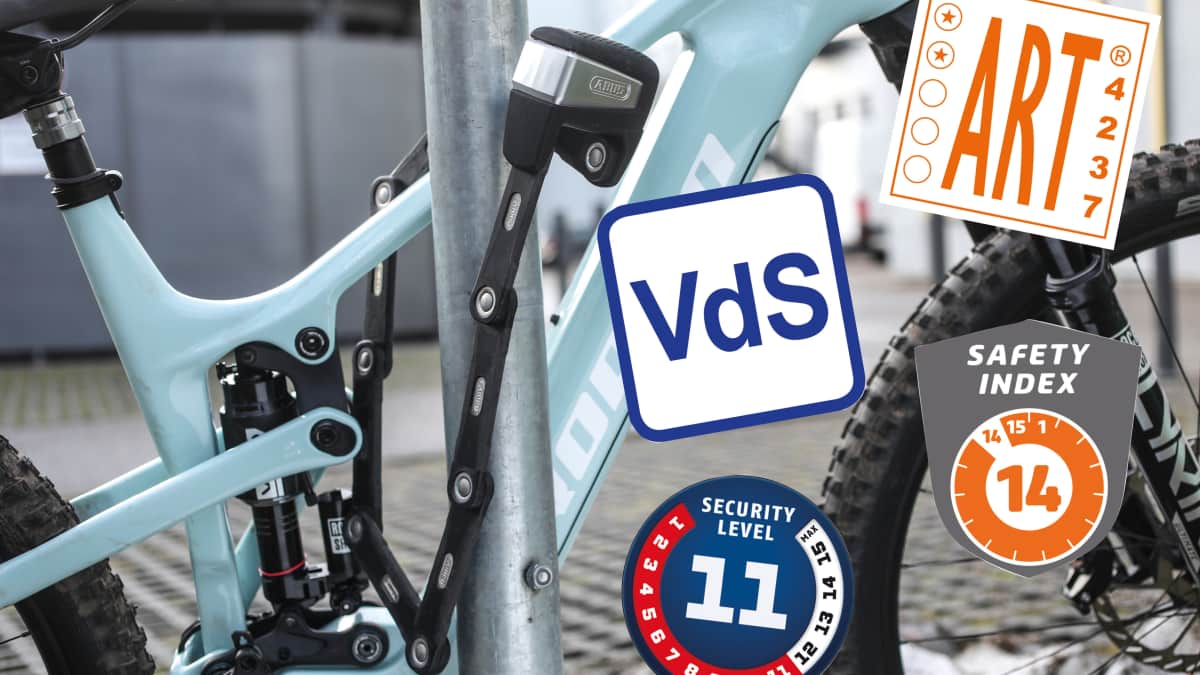
- The folding lock: The all-rounder for everyday cyclists. Can be stowed compactly on the frame and offers a good range.
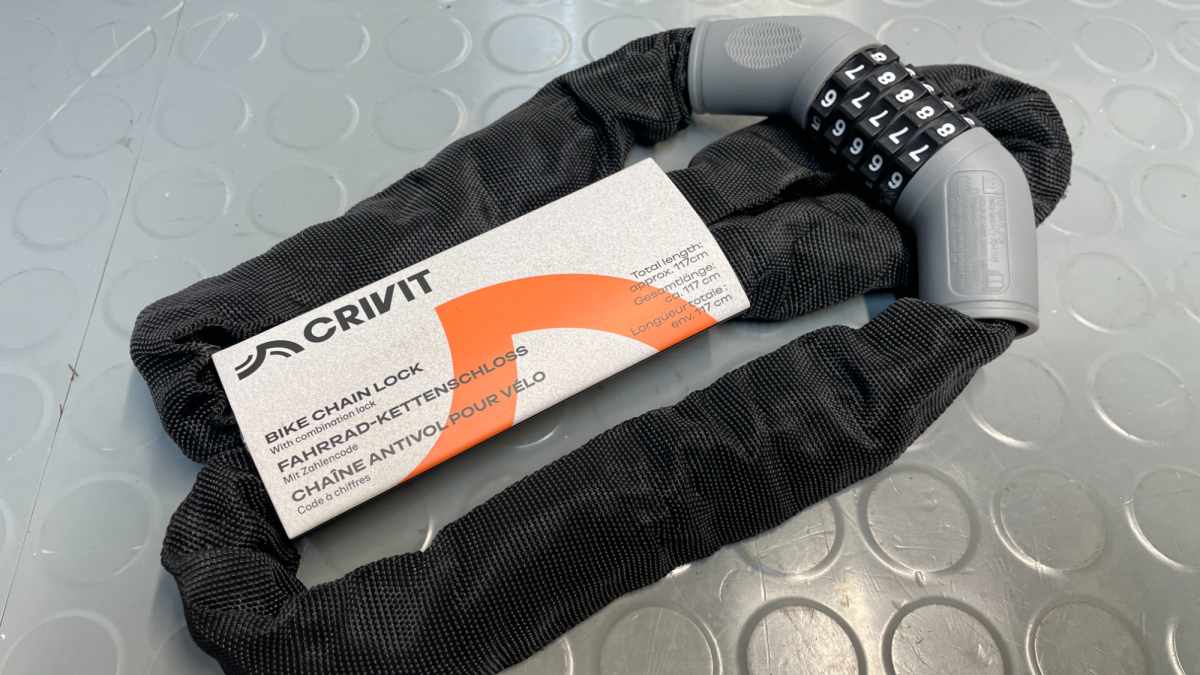
- The heavy chain: Ideal for e-bikes and cargo bikes. It offers the greatest flexibility, but is often too heavy for the rucksack.
The professional tip: The "tool mix"
Thieves often specialise in one type of tool. If you have a bolt cutter with you, you often fail with an angle grinder. If you use a cordless flex, a thick textile chain makes a lot of noise and dirt. The strategy: Use two different types of lock. The combination of a U-lock and a high-quality chain lock immediately deters 90 % of all opportunist thieves, as the time required is doubled.
Checklist for your next stop:
- Is the bike in a busy, easily visible location?
- Is the object I am connecting to really solid (not a loose wire mesh fence)?
- Does the lock go through the frame and ideally through the front wheel?
- Is the locking cylinder pointing downwards (makes it difficult to fill with ice spray or adhesive)?