


In this article, we use so-called affiliate links. With every purchase through these links, we receive a commission from the merchant. All relevant referral links are marked with . Learn more.
The eternal question of weight: With road bikes, the matter is pretty clear - light wins. For mountain bikes, things are more differentiated. Downhill and enduro racers sometimes even work with additional weights under the down tube to lower the centre of gravity and increase riding stability.
Hobby downhillers and enduro riders, on the other hand, often prefer lighter bikes because they feel more agile and playful in handling. For cross-country bikes through to all-mountain models, low weight can only be an advantage.
And what about the Gravelbike out? We took a look at this and asked the scene.
Fundamentals
Weight & driving dynamics
A lighter gravel bike accelerates noticeably faster (especially lightweight wheels), responds more directly to acceleration and can be manoeuvred more agilely on changing surfaces - an advantage if you frequently switch between gravel, forest paths and asphalt
Uphill & carrying passages
A lower weight is particularly noticeable on longer climbs or tours with many metres of elevation gain, as well as in gravel situations such as short carrying or pushing passages over obstacles. Also clear: For bikepackers with heavy bags and full water bottles, it doesn't matter much whether the total weight of the bike is 9.8 kilos instead of 9 kilos.

Handling & control
Less weight makes it easier to control the bike in technical sections, for example when cornering on loose surfaces or when swerving quickly
Limits of lightweight construction
At the same time, the weight must not come at the expense of stability, comfort and durability - wider tyres, a robust frame and a little "substance" ensure greater safety and riding comfort on rough surfaces
Conclusion
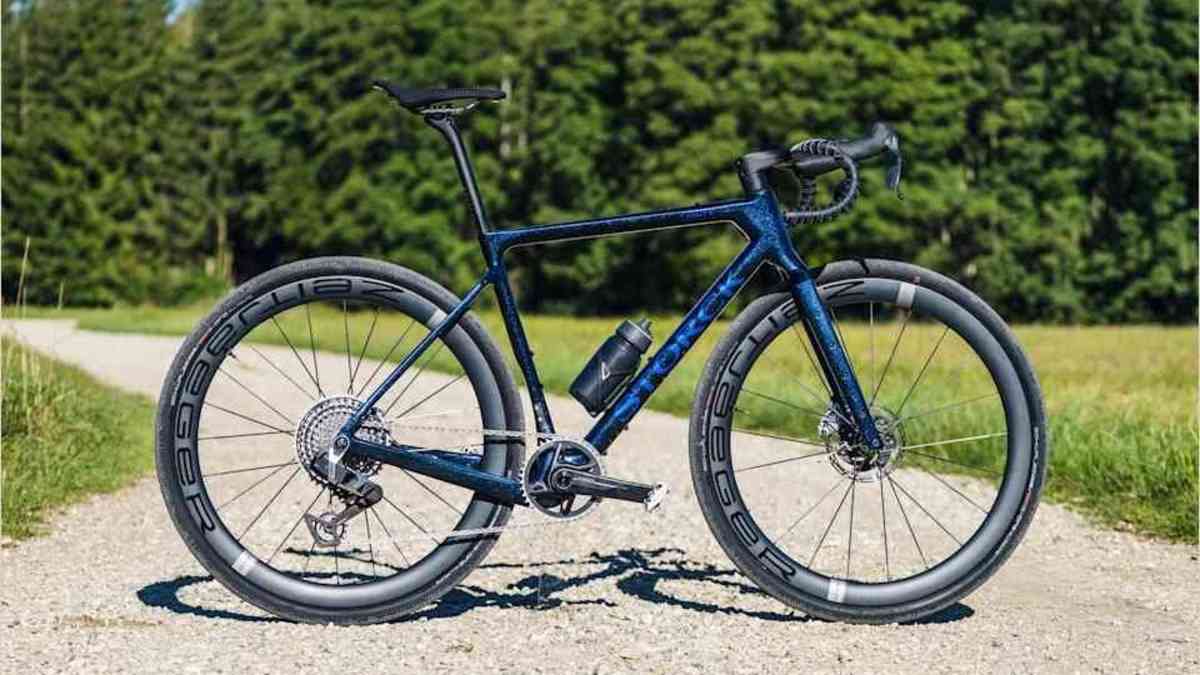
A lightweight gravel bike has clear advantages in terms of dynamics and climbing performance, but the decisive factor is a balance of weight, robustness and comfort that suits the intended use. The tyres usually make more difference than 300 grams in total weight. It is also important to differentiate between race gravel bikes and all-round/adventure bikes.
What the experts say
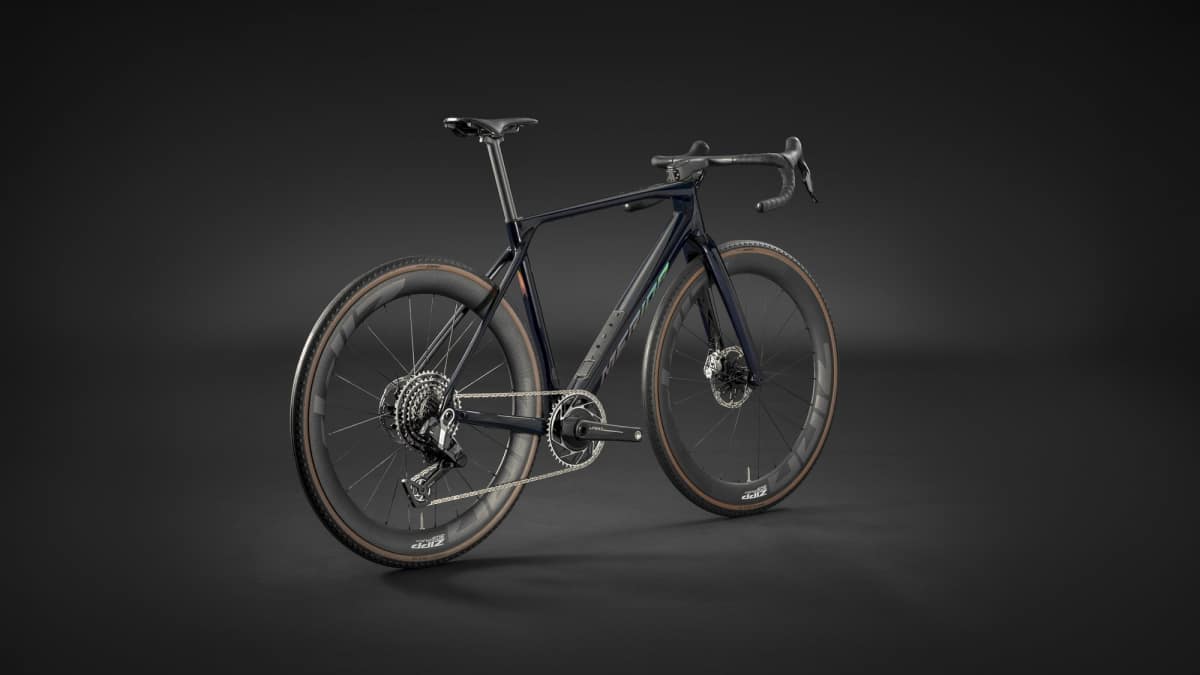
The experts differentiate between a race gravel bike and an all-rounder adventure gravel bike. The weight specifications refer to the bike without pedals.
Jürgen Schlender, head and designer of Alutech bikes
Jürgen Schlender: "If you don't have to worry about the budget at all, a 7-kilo-gravel bike is fascinating. Low weight simply provides noticeably more propulsion.
However, for gravel bikers who commute to work, take longer trips to the lake at the weekend and plan one or two overnighters a year, it is usually not worth digging so deep into their pockets.
About 8.5 kilos are a good guideline for carbon gravel bikes, just under under 10 kilos for aluminium models. We will soon be launching a model for 1,800 euros - it weighs 9.8 kilos. You can't get much better value for money."
Jens Klötzer, TOUR editor
Jens Klötzer: "With race gravel bikes, I use the Upper limit at 8.5 kilos - below that is easy, above that it's no longer suitable for racing. My personal limit is for all-round and adventure gravel bikes at 10 kilos. It's just no fun above that.
The weight is particularly noticeable off-road - when accelerating, in tight bends, over obstacles. The bike is in its natural habitat and high weight really counts as a fun factor.
On the road or the cycle path, it doesn't really matter. The good thing is that even in the entry-level segment from 1,300-1,500 euros, you can easily get a bike under 10 kilos. If someone wants to sell you a gravel bike weighing 11-12 kilos for this price - hands off! It's unnecessarily heavy with a cheap aluminium frame and heavy tyres. You can definitely find something under 10kg for the same money."
Anatol Sostmann, Director Product & Brand at Rose
Anatol Sostmann: "Gravel race bikes should be as light as possible - everything under 8 kilos (without pedals) is already a very good value. In this range, you generally don't have to make any major compromises in terms of robustness. Of course, thick tyres add a lot to the weight, but depending on the race, this makes perfect sense.
The situation is completely different for adventure or bikepacking gravel bikes: The pure bike weight plays a much smaller role here. Whether you're travelling for three days or two weeks often makes little difference when it comes to luggage - in the end, it all adds up anyway. A bike around 10 kilos (without pedals) is perfectly okay here.
The overall package is more important: an extremely lightly constructed bike that is then loaded with heavy bags is often less useful than expected. Sometimes you even notice this in the handling and stability - the bike then feels soft and flexes.
My tip: It's better to consistently sort out your equipment and only take the essentials with you instead of focussing too much on the weight of the bike."

Laurin Lehner
Editor